THE ADVENTURE COLLECTIVE® · Independent discovery and booking for outdoor travel
Wildlife Experiences in Palmetto, Florida
Palmetto Wildlife Guide

Wildlife Experiences in Palmetto, Florida

Palmetto sits at the edge of a living coastline: a braided mosaic of mangroves, seagrass beds, and tidal flats that stage striking wildlife encounters year-round. From wintering West Indian manatees that drift in the river's warm pockets to migratory shorebirds painting the flats at low tide, the area's wildlife experiences reward quiet observation, patient timing, and a willingness to explore by kayak, boardwalk, or small boat.

Manatee River EstuaryRobinson PreserveEmerson Point PreserveTampa Bay Saltflats

Live destination inventory

Top Wildlife Trips in Palmetto

32 trips · Book with confidence · Instant confirmation

About The Destination

Why Palmetto Is a Standout Spot for Wildlife Viewing

Where the Manatee River widens into the glittering arms of Tampa Bay, Palmetto’s shoreline dissolves the boundary between town and tide. The result is an accessible, low-slung wilderness threaded with boardwalks, observation points, and quiet launch sites that funnel human curiosity into respectful viewing of a surprisingly rich coastal ecosystem. The geography is simple and decisive: shallow flats clothed in seagrass feed schools of mullet and snook, which in turn attract dolphins and foraging wading birds; ribboned mangrove fringes shelter juvenile fish and the crustaceans that shorebirds rely on; and deeper channels hold the warm currents where manatees gather against seasonal cool snaps.

That combination—shallow productive water, sheltered mangrove nurseries, and a temperate Gulf climate—creates multiple windows for wildlife. Winter brings manatees moving into the river in search of warmer pockets; fall and spring unfold as migration corridors for sandpipers, plovers, and terns that light up the flats when the tide drops; and summer fills the bay with dolphin arcs and noisy osprey nests. The wildlife here is shaped by tides and timing as much as by habitat: a low-tide shorebird rove at dawn offers a dramatically different show than an afternoon mangrove paddle, and the best photos and sightings often come to those who plan around these rhythms.

Palmetto’s wildness is also practical. Public preserves such as Robinson Preserve and Emerson Point have elevated boardwalks, observation platforms, and short trails that make serious viewing possible without a boat. For deeper access—mangrove islands, hidden oyster bars, and remote flats—kayaks, skiffs, or guided naturalist cruises unlock scenes that feel private. The town itself is modest, which keeps travel logistics simple: short drives to launch points, a handful of guiding operations that specialize in birding and manatee tours, and facilities geared toward day trips rather than remote expeditions.

But with accessibility comes responsibility: wildlife viewing here rewards restraint. Maintain distance from manatees and nesting birds, time visits with tides to avoid disturbing feeding shorebirds, and keep noise and wake to a minimum in narrow channels. Follow seasonal closures and local signage, and opt for guided outings if you're unsure about tides or sensitive habitat. Approach Palmetto prepared—an early alarm and a tide chart will often give you the best seat in the house.

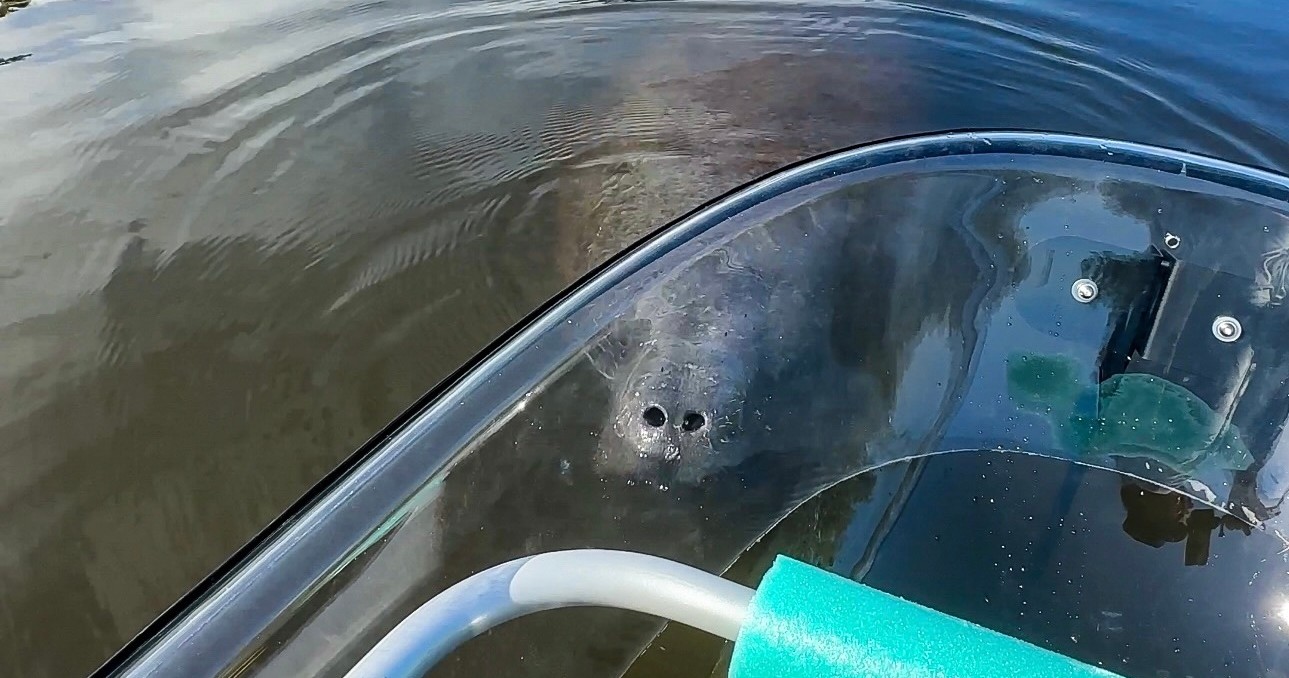
The diversity is ecological and temporal: you can watch wintering manatees, year-round dolphins, seasonal raptors, and migratory shorebirds all within the same calendar year.

Public access points make wildlife viewing approachable for families and casual travelers, while paddlers and small-boat operators can reach quieter flats and mangrove islets for intimate encounters.

Tidal rhythms and local weather patterns strongly shape where and when animals are visible; low tides concentrate shorebirds on mudflats, and calm, cool mornings are prime for dolphin sightings and photographic light.

Key Highlights

•Activity focus: Estuary and coastal wildlife viewing
•Key species: West Indian manatee, bottlenose dolphin, migratory shorebirds, ospreys, herons, and wading birds
•Top access points: Robinson Preserve, Emerson Point, local boat ramps and kayak launches
•Best viewing strategies revolve around tide charts and early-morning timing
•Many preserves offer boardwalks and observation platforms—boating expands access to remote flats

Seasonal planning

Best Time to Visit

Winters are mild and are the best time for manatee sightings as animals move into warmer pockets of the river. Spring and fall migrations bring high shorebird diversity; summer is hot, humid, and prone to afternoon thunderstorms and the hurricane season, which can disrupt access.

Wildlife Experiences in Palmetto, Florida
Seasonal Highlights

Peak Season: December–March for manatees and winter waterfowl; September–November and March–May for shorebird migration windows.

Recommended months: November, December, January, February, March, April, May

Peak season

December–March for manatees and winter waterfowl; September–November and March–May for shorebird migration windows.

High-demand period with peak activity schedules.

Best months

November – December – January – February – March – April – May

Optimal conditions for outdoor activities and tours.

Weather & conditions

Winters are mild and are the best time for manatee sightings as animals move into warmer pockets of the river. Spring and fall migrations bring high shorebird diversity; summer is hot, humid, and prone to afternoon thunderstorms and the hurricane season, which can disrupt access.

Off-season & shoulder periods

Summer offers quieter preserves and excellent opportunities for dolphin encounters and marsh wildlife by early morning; weekday visits can offer solitude when schools and families are elsewhere.

Match the trip to your comfort

Choose Your Experience Level

Introductory

Beginner

Accessible wildlife viewing along boardwalks, observation platforms, and short trails. Ideal for families and casual naturalists.

  • Boardwalk birdwatching at Robinson Preserve
  • Short interpretive walk and overlook at Emerson Point
  • Guided shorebird stroll during low tide
Active outing

Intermediate

Half-day outings that mix paddling and walking—requires basic paddling skills or a short boat ride to reach productive flats and mangrove islets.

  • Half-day guided kayak tour into mangrove channels
  • Skiff-based dolphin and manatee watching cruise
  • Targeted birding trip timed with tides
Challenging / Technical

Advanced

Longer, tide-dependent excursions into remote flats and backcountry mangrove creeks; useful for experienced paddlers, serious photographers, and naturalists.

  • Full-day flats-wading and photography outing timed to low tide
  • Multi-stop boat charter to distant oyster bars and islands
  • Overnight kayak trip that combines dusk and dawn wildlife watches

Recommended Gear

What to Bring

Essential

Core items

  • Binoculars or spotting scope
  • Waterproof camera or telephoto lens (if photographing wildlife)
  • Light, breathable sun protection (hat, long sleeves, sunscreen)
  • Reusable water bottle and snacks
  • Tide chart or app and local map
Recommended

Helpful extras

  • Polarized sunglasses for spotting in glare
  • Light rain shell for sudden coastal showers
  • Insect repellent (mosquitoes common at dawn/dusk in warmer months)
  • Dry bag for electronics when paddling
  • Comfortable, quick-dry footwear or water shoes
Optional

Trip-specific

  • Waders or chest-high neoprene for flats snorkeling or wading in permitted areas
  • Field guide or birding app
  • Small spotting scope for distant shorebird flocks
  • Compact folding stool for long observation sessions
Respect tides, keep noise low, and prioritize animal welfare—most of the best wildlife views come from patience and timing, not proximity.

Insider Tips & Local Knowledge

Plan sightings around the tide chart: low tide concentrates shorebirds on exposed flats and makes them easier to see, while calm high tides are good for dolphin and manatee activity near channels. Sunrise and the first few hours of the morning provide the best light for photography and the quietest conditions for wildlife. When paddling, approach mangrove edges and flats slowly and with a low profile; avoid scaring foraging birds off the flats. If you encounter manatees, stop the engine, put the boat in neutral, and observe from a distance—do not touch or pursue them. Dress for heat and sun in summer and bring extra insect protection for dawn and dusk. Finally, consider booking a local naturalist or birding guide for specialized outings—local guides can read tide lines, identify hard-to-find species, and show you lesser-known launch points that reduce crowding and habitat disturbance.

Planning questions

Frequently Asked Questions

Many public preserves have free or low-cost access with parking limits; boat ramps are publicly accessible but check local launch rules. If you're unsure about private launch sites or guided tours, contact the operator—some guided activities require advance booking.
Wildlife Experiences in Palmetto, Florida
Ready for your wildlife adventure?

Browse 32 verified trips in Palmetto.

Compare current availability and book with instant confirmation.

Explore Palmetto wildlife trips →