THE ADVENTURE COLLECTIVE® · Independent discovery and booking for outdoor travel
Top 14 Photography Tours in Pāpa‘ikou, Hawaii
Pāpa‘ikou Photography Tour Guide

Top 14 Photography Tours in Pāpa‘ikou, Hawaii

Nestled along the verdant Hāmākua Coast, Pāpa‘ikou is a compact and luminous playground for photographers: plunging waterfalls framed by emerald cliffs, jagged coastline that meets Pacific swell, and quiet plantations that recall old Hawaii. This guide focuses on curated photography tours — from sunrise shoreline sessions to intimate waterfall long-exposure workshops — that reveal why light, texture, and cultural context make Pāpa‘ikou a compelling base for creative travelers.

Hāmākua CoastAkaka Falls State ParkCoastal Lookouts & Waterfalls

Live destination inventory

Top Photography Tour Trips in Pāpa‘ikou

14 trips · Book with confidence · Instant confirmation

About The Destination

Why Pāpa‘ikou Is a Standout Place for Photography Tours

Pāpa‘ikou compresses the dramatic geometry of Hawai‘i Island into a walkable gallery of light and land. You arrive first by road—winding, verdant, and often shrouded in the wet trade winds that sculpt the coast—then discover that the ordinary elements here behave like props in a well-staged scene. The sea is never a neutral backdrop: it carves basalt and black sand, slides into tidepools, and flashes against sea cliffs with an intensity that shifts minute by minute. Inland, waterfalls tumble through layered vegetation, inviting long-exposure study; at dawn the mist lifts in sheets, and at dusk the western light paints the slopes in warm, burnished tones. For photographers, that interplay of water, rock, and light makes Pāpa‘ikou an inexhaustible subject.

Beyond pure aesthetics, Pāpa‘ikou’s cultural and agricultural textures lend photographs context. Old sugar and macadamia groves, weathered wooden houses, and small church steeples punctuate the landscape, giving you focal points that tell local stories rather than anonymous scenic shots. Many photography tours here pair technical instruction—composition, exposure blending, bracketing—with guided introductions to place-based history and cultural protocols. That makes tours equally suitable for travelers who want to improve their craft and for those who want images that resonate with a sense of place.

The terrain itself invites a diversity of photographic approaches. Coastal lookouts and sea arches are ideal for wide-angle and panoramic work; wind-swept ridgelines call for telephoto compression to capture layered ridges; waterfall corridors reward tripod-bound long exposures and careful neutral-density use; and the region’s low light pollution pockets provide opportunities for night-sky composites with foreground interest. Weather is famously changeable—trade winds, brief tropical showers, and lingering vog can complicate plans but also deliver dramatic skies and saturated colors, if you’re flexible. While many iconic shots are achievable on quick half-day tours, extended itinerary options encourage learning lighting over time: return to the same spot at different hours and discover how the coastline’s mood alters with tide and sun angle.

Finally, Pāpa‘ikou is accessible without feeling overrun. It sits close enough to major hubs for day trips but far enough that a photographer can find quiet stretches, intimate creek access, and unobstructed horizons. Local guides often manage permissions and logistics for trickier locations, and many operate small-group tours that balance instruction with stewardship—emphasizing low-impact shooting at culturally sensitive sites. For a photographer seeking both image-making and context, Pāpa‘ikou delivers a compact, richly textured itinerary where technical learning and storytelling go hand in hand.

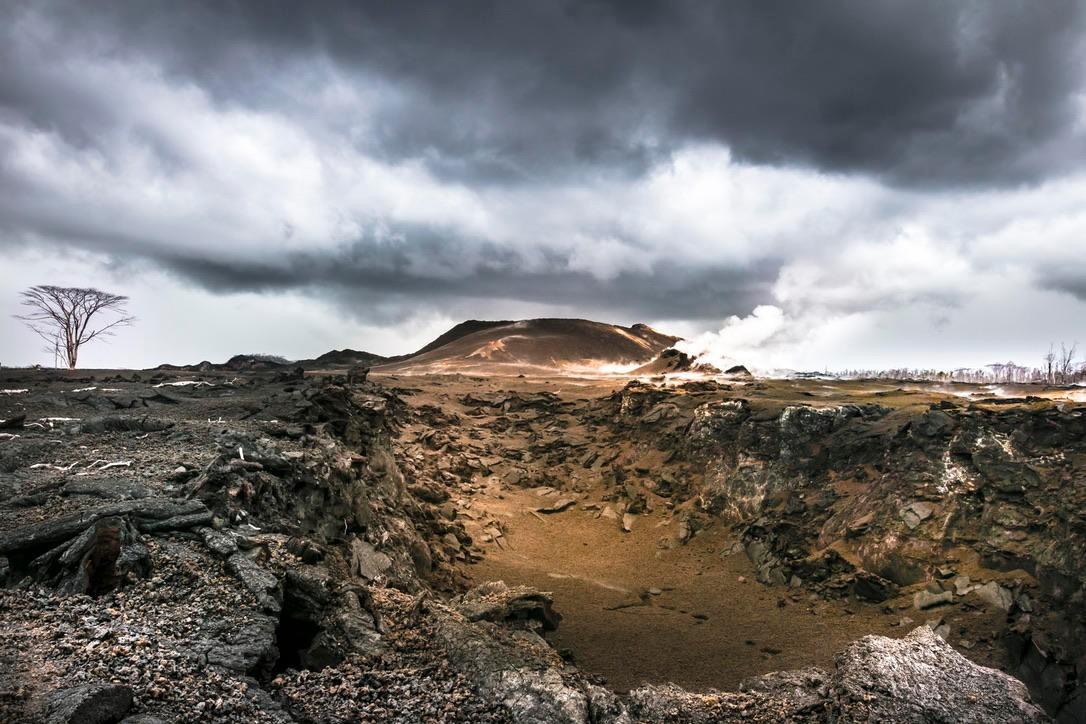
The variety is the draw: sunrise coastline shoots, waterfall long-exposure sessions, macro exploration of endemic plant life, and night-sky compositions are all within a short drive or short walk of each other.

Seasonal conditions reshape the photographic opportunities—morning cloud banks and trade-wind patterns affect coastal light, while winter months bring whale activity offshore that can be framed from headlands.

Key Highlights

•Activity focus: Guided & self-guided photography tours
•Total matching experiences: 14 curated tours and workshops
•Terrain: coastal lookouts, narrow beach access, waterfall trails, plantation roads
•Access: short hikes or roadside pullouts; some sites require gate access or local guide
•Best subjects: waterfalls, dramatic coastline, cultural landscapes, macro flora, night sky

Seasonal planning

Best Time to Visit

Pāpa‘ikou sits in a trade-wind corridor; mornings often offer calmer seas and softer light, while afternoons can bring showers and increased wind. Winter months (Dec–Mar) can produce larger swells and more dynamic skies—great for dramatic seascapes but less predictable for exposed coastal shoots.

Top 14 Photography Tours in Pāpa‘ikou, Hawaii
Seasonal Highlights

Peak Season: Winter whale-watching and holiday travel increase regional visitation; weekends near popular waterfall pullouts can be busy.

Recommended months: April, May, September, October

Peak season

Winter whale-watching and holiday travel increase regional visitation; weekends near popular waterfall pullouts can be busy.

High-demand period with peak activity schedules.

Best months

April – May – September – October

Optimal conditions for outdoor activities and tours.

Weather & conditions

Pāpa‘ikou sits in a trade-wind corridor; mornings often offer calmer seas and softer light, while afternoons can bring showers and increased wind. Winter months (Dec–Mar) can produce larger swells and more dynamic skies—great for dramatic seascapes but less predictable for exposed coastal shoots.

Off-season & shoulder periods

Weekdays and shoulder-season months provide quieter access to headlands and waterfall trails; changing weather can also deliver dramatic photographic conditions with fewer people.

Match the trip to your comfort

Choose Your Experience Level

Introductory

Beginner

Short guided sessions focused on composition and basic camera settings. Accessible locations with minimal hiking and strong learning value.

  • Sunrise coastal composition workshop
  • Introductory waterfall long-exposure session
  • Plant and macro basics at a roadside garden
Active outing

Intermediate

Half- to full-day tours that introduce filter work, multi-exposure blending, and more varied terrain. Some mild hiking and careful footing required.

  • ND-filter waterfall workshop with composition coaching
  • Coastal pano and telephoto compression session
  • Guided twilight session for silhouettes and long exposures
Challenging / Technical

Advanced

Specialized tours emphasizing technical proficiency: advanced post-processing workflows, night-sky composites, drone aerials (where permitted), and multi-day location shoots.

  • Night-sky and foreground composite workshop
  • Multi-stop landscape immersion with advanced post-processing instruction
  • Aerial composition and sequence shooting with a licensed operator

Recommended Gear

What to Bring

Essential

Core items

  • Camera body and at least two lenses (wide and telephoto)
  • Sturdy tripod for long exposures and low-light work
  • Extra batteries and memory cards kept in waterproof cases
  • Lens cloths and weather protection (rain cover for camera)
  • Closed-toe shoes with good traction for wet rocks and muddy trails
  • Water, snacks, and sun protection (hat, reef-safe sunscreen)
Recommended

Helpful extras

  • Neutral density and graduated ND filters for waterfall and seascape control
  • Circular polarizer to reduce glare and deepen skies
  • Remote shutter release or intervalometer
  • Lightweight rain jacket for both you and kit
  • Portable reflector for portrait or close-up work
  • Small packable stool or knee protection for low-angle compositions
Optional

Trip-specific

  • Drone with up-to-date registration and knowledge of local restrictions
  • Macro extension tubes or dedicated macro lens
  • Compact backup hard drive for offloading files during longer trips
  • Hand warmers for early-morning shoots in breezy conditions
Always verify access, permissions, and weather forecasts before heading out. Respect private property and cultural sites; when in doubt, follow your guide’s advice.

Insider Tips & Local Knowledge

Check tide charts for coastal shoots—some coves and rock platforms are only accessible at low tide, while incoming surf can be hazardous. Bring waterproof protection for camera gear; sudden showers are common. If you plan to use a drone, confirm local regulations and obtain necessary approvals—it’s restricted near certain state parks and cultural areas. Arrive early to secure parking at popular waterfall pullouts, and be prepared for slippery footing near cascades. Local guides can pre-clear access, recommend the best windows for light, and introduce cultural context that elevates your images beyond scenic postcards. Use reef-safe sunscreen and pack out all waste. Finally, consider an off-day to explore nearby Akaka Falls or Hāmākua’s plantation roads for complementary perspectives—these quieter drives often yield unexpected portrait and landscape subjects.

Planning questions

Frequently Asked Questions

For casual personal photography at public lookouts and roadside access, permits are generally not required. Commercial shoots, professional portrait sessions, drone operations, or use of restricted cultural sites may require permits or approval—check with local land managers and tour providers before planning a commercial shoot.
Top 14 Photography Tours in Pāpa‘ikou, Hawaii
Ready for your photography tour adventure?

Browse 14 verified trips in Pāpa‘ikou.

Compare current availability and book with instant confirmation.

Explore Pāpa‘ikou photography tour trips →