THE ADVENTURE COLLECTIVE® · Independent discovery and booking for outdoor travel
Top 11 Sailing Adventures in Pauma Valley, California
Pauma Valley Sailing Guide

Top 11 Sailing Adventures in Pauma Valley, California

Sailing from Pauma Valley is less about long ocean passages and more about tailoring wind, water, and season into purposeful, local experiences—flatwater practice sessions on inland reservoirs, dawn catboat loops in sheltered coves, and quick drives to coastal harbors for full-sail ocean days. This guide focuses on how to find the right kind of sail near Pauma Valley, when to go, and how to combine small-boat instruction and calm-water practice with nearby coastal charters when you want bigger water and steadier sea breezes.

Inland Lakes & ReservoirsShort Drive to San Diego CoastProtected Flatwater Sailing

Live destination inventory

Top Sailing Trips in Pauma Valley

11 trips · Book with confidence · Instant confirmation

About The Destination

Why Pauma Valley Works for Sailors (and How to Make It Better)

Pauma Valley sits inland—folded into a patchwork of citrus groves, low ridgelines, and riparian corridors—so sailing here is an exercise in adaptability. Rather than the uninterrupted, wind-sculpted horizons of coastal harbors, sailing in and around Pauma is often practiced on smaller bodies of water: quiet reservoirs, wide irrigation channels that accommodate small craft, and private lakes where local clubs and outfitters stage training sessions. Those who come expecting long blue-ocean runs will find instead a place ideally suited to learning points of sail, tuning rigs, and refining boat handling in forgiving conditions. Early mornings offer glassy flatwater that’s perfect for balance drills and teaching new sailors how a tiller responds; afternoons—when thermal winds build in the valley—give a taste of variable gusts and close-quarters sailing.

The region’s character also makes for thoughtful, mixed itineraries. A typical day might start with a calm-skiff lesson on a quiet reservoir, segue into an afternoon of paddle-sports or shore-based rigging clinics, and end with a quick drive to a coastal harbor for an evening sunset charter when the sea breeze steadies. Local culture—the valley’s agricultural rhythms, the living traditions of indigenous communities, and small-town hospitality—frames the maritime activities with land-based pleasures: tasting room stops, farm-stand lunches, and low-key wildlife watching along riparian strips. Environmental stewardship is a natural companion to sailing here; water levels fluctuate seasonally and shorelines can be ecologically sensitive, so responsible launch practices and minimal-impact shore visits matter.

Practically, Pauma’s sailing scene is about access and options. If you’re an instructor or a sailor sharpening basic skills, the valley’s sheltered waters are ideal: they let you isolate particular drills—tacking, reefing, single-handed sailing—without the complications of strong swell or long fetch. For experienced sailors wanting true ocean sailing, Pauma is a staging point: you’ll plan a short drive to coastal marinas for half-day or full-day charters and lessons that take advantage of steady coastal breezes and open water. In short, Pauma Valley asks sailors to think local: refine fundamentals on smaller water, observe seasonal patterns, and be ready to mix inland practice with planned coastal excursions when you want to stretch your sails.

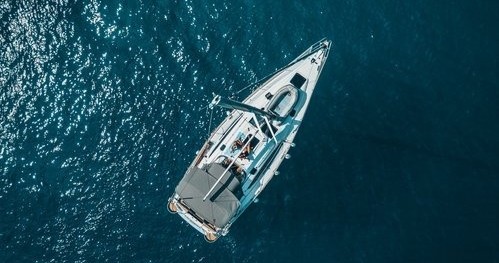
The practical appeal: sheltered flatwater accelerates learning. Instructors use calm mornings for skill drills, then move to windier afternoons to teach gust management and sail trim.

Ecology and access: shorelines and reservoirs near Pauma often have variable water levels and sensitive habitats—expect occasional closures, soft launches, and the need to follow posted stewardship guidelines.

Connectivity: Pauma’s inland setting makes it a practical base for hybrid trips—combine a morning of small-boat instruction with an afternoon or next-day coastal charter to experience both calm-water skill-building and open-ocean sailing.

Key Highlights

•Activity focus: Small-boat and flatwater sailing with nearby coastal charter options
•Best for skill-building, day-sails, and mixed inland/coastal itineraries
•Local waters can be variable in wind and level—plan for flexible launch options
•Combine sailing with paddling, fishing, and wine/agritourism in the valley
•Environmental stewardship and quiet launches are commonly requested at inland sites

Seasonal planning

Best Time to Visit

Spring and early fall balance milder temperatures with more reliable thermal breezes on warm afternoons. Summer can offer strong midday thermals on coastal day-sails, but inland reservoirs may experience low water levels or very hot mornings. Winter brings cooler mornings and calmer water that’s good for instruction but may be less comfortable for long days without proper layers.

Top 11 Sailing Adventures in Pauma Valley, California
Seasonal Highlights

Peak Season: Late spring and early fall—when inland waters are warm enough for comfortable training and coastal sea breezes are predictable.

Recommended months: March, April, May, September, October

Peak season

Late spring and early fall—when inland waters are warm enough for comfortable training and coastal sea breezes are predictable.

High-demand period with peak activity schedules.

Best months

March – April – May – September – October

Optimal conditions for outdoor activities and tours.

Weather & conditions

Spring and early fall balance milder temperatures with more reliable thermal breezes on warm afternoons. Summer can offer strong midday thermals on coastal day-sails, but inland reservoirs may experience low water levels or very hot mornings. Winter brings cooler mornings and calmer water that’s good for instruction but may be less comfortable for long days without proper layers.

Off-season & shoulder periods

Winter provides solitude and excellent flatwater practice on sheltered reservoirs; combine with shore-based instruction and classroom time.

Match the trip to your comfort

Choose Your Experience Level

Introductory

Beginner

Short, protected flatwater sessions focused on fundamentals: learning points of sail, basic knots, safety, and simple maneuvers in calm conditions.

  • Introductory dinghy lesson on sheltered reservoir
  • Single-day rigging and safety workshop
  • Family-friendly discovery sail
Active outing

Intermediate

Half-day to full-day outings that combine inland skill-building with basic coastal sails; focus on sail trim, tacking in gusts, and introduction to navigation.

  • Afternoon thermal-wind practice on valley waters
  • Coastal harbor half-day charter with on-board instruction
  • Crewed day-sail that practices reefing and sail changes
Challenging / Technical

Advanced

Longer coastal passages and performance sailing that require confident handling, knowledge of weather systems, and experience with open-water conditions.

  • Open-ocean day-sail from a nearby coastal marina
  • Advanced tactics clinic focusing on coastal upwind work
  • Offshore provisioning and passage-planning workshop (staged from coastal ports)

Recommended Gear

What to Bring

Essential

Core items

  • USCG‑approved personal flotation device (PFD) for each passenger
  • Non-slip sailing shoes or closed-toe deck shoes
  • Sun protection: wide-brim hat, sunglasses with retainer, SPF 30+ sunscreen
  • Waterproof bag for phone, keys, and layers
  • Light windproof jacket and quick-dry layers
Recommended

Helpful extras

  • Gloves for lines and docking
  • Handheld VHF or waterproof communication device (if chartering on the coast)
  • Basic sail repair kit and spare line for training sessions
  • Drybox for snacks and electronics
  • Footwear suitable for both launch/shore access and walking on uneven boat ramps
Optional

Trip-specific

  • Binoculars for bird and shoreline-wildlife viewing
  • Compact first-aid kit tailored to water activities
  • Action camera or small waterproof camera for sailing photos
  • Lightweight foul-weather gear for surprise squalls
Plan for variable water levels, confirm launch permissions, and respect sensitive shoreline habitats.

Insider Tips & Local Knowledge

Start early—mornings often have the calmest water for drills and confidence-building. If you want steady wind and larger swells, schedule a coastal charter in the afternoon when sea breezes are reliable. Bring layers: inland mornings can be cool even in warm seasons. Ask local outfitters about seasonal closures and low-water advisories before you go; many inland sites limit launches or change access points depending on reservoir levels. Pair sailing practice with a land-based itinerary—local tasting rooms, short ridge hikes, and wildlife-watching along riparian corridors make excellent second halves of the day. Finally, if you’re training or learning, prioritize reputable instruction that emphasizes seamanship, safety briefings, and environmental stewardship.

Planning questions

Frequently Asked Questions

Small-boat rentals and instructional programs are available in the broader region; full-size coastal charters typically operate out of nearby coastal harbors rather than within the valley itself.
Top 11 Sailing Adventures in Pauma Valley, California
Ready for your sailing adventure?

Browse 11 verified trips in Pauma Valley.

Compare current availability and book with instant confirmation.

Explore Pauma Valley sailing trips →