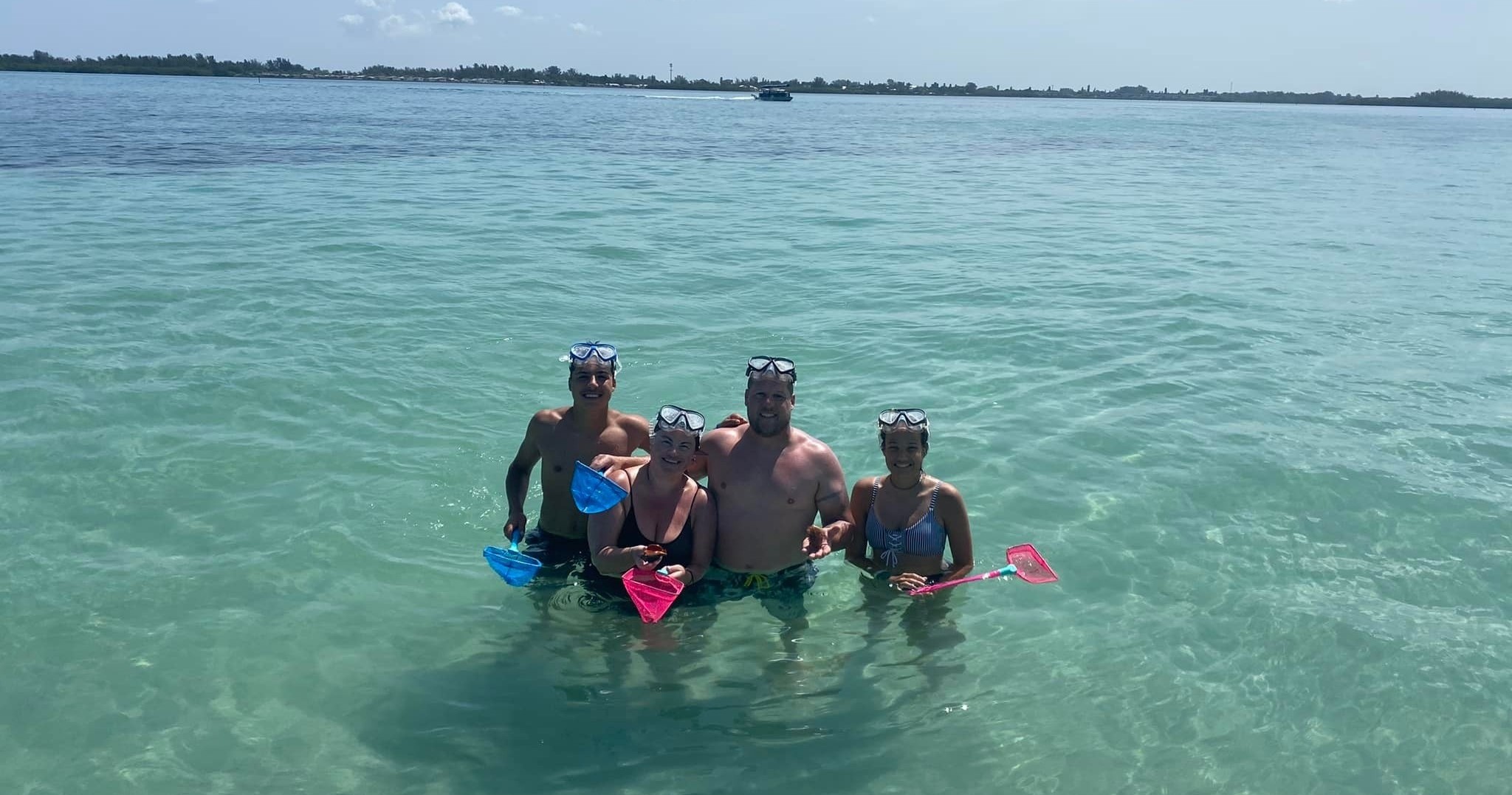
Some places promise wildlife sightings; Placida almost guarantees them. Tucked into the lee of Charlotte Harbor and threaded by tidal creeks, this stretch of coast offers a mosaic of habitat—mangrove shorelines, broad seagrass flats, and nearby deepwater channels like Boca Grande Pass—where common bottlenose dolphins forage, socialize, and raise calves. Those varied habitats create predictable behaviors: you’ll find dolphins cruising shallow flats at high tide hunting mullet and mullet schools, closer to mangrove mouths during ebb foraging, and in the deeper passes when larger schools follow baitfish migrations.
Morning light transforms the water into a glassy stage, and captains often time departures for first light when both water clarity and animal activity are highest. But Placida’s accessibility—short drives from local marinas and launch ramps, calm protected waterways for paddle craft, and multiple guide operators—makes dolphin-watching flexible. You can join an hour-long sightseeing cruise with a naturalist who explains local ecology and conservation, sign up for a small-group kayak trip that emphasizes quiet approach and photographic angles, or combine a chartered fishing trip with opportunistic wildlife viewing.
There’s a human history that sits lightly on top of these waters. Indigenous Calusa presence once centered on rich estuarine food webs; Spanish and later fishing communities learned to read the tides and fish patterns that still guide local captains today. Modern tourism here is threaded with stewardship: operators know that a close, respectful approach not only yields better encounters but protects calves and foraging success. That means tours emphasize slow, parallel travel rather than chasing, and the most experienced guides read dolphin behavior—when to linger, when to back off. For travelers, that translates to richly informative trips that feel equal parts theater and field study: you'll leave with photos, stories, and a clearer sense of how fragile and resilient Southwest Florida's coastal systems are.