THE ADVENTURE COLLECTIVE® · Independent discovery and booking for outdoor travel
Top 12 Fishing Adventures in Port Orange, Florida
Port Orange Fishing Guide

Top 12 Fishing Adventures in Port Orange, Florida

Port Orange stretches along the Halifax River and backs onto a mosaic of estuaries, inlet channels and an open Atlantic that together make this a quietly productive fishing destination. Anglers come here for dawn flats chasing redfish and trout, midday nearshore trips for kings and mahi, and evening surf and pier sessions for pompano and whiting. This guide focuses on the fishing — where to wet a line, when the water turns on, and how to plan trips from shore, bridge, flats, and charter boats.

Halifax RiverMosquito LagoonIntracoastal WaterwayAtlantic Nearshore & ReefsCoastal Piers

Live destination inventory

Top Fishing Trips in Port Orange

12 trips · Book with confidence · Instant confirmation

About The Destination

Why Port Orange Is a Standout Fishing Destination

Port Orange sits at the intersection of brackish river flats, sheltered creeks, and an Atlantic shelf that drops into productive nearshore waters — a mix that creates a rich seasonal rotation of species and styles. Before dawn, the shallow edges of the Halifax River and its tidal creeks glow silver as schools of bait move with the current. In spring and summer those bait clouds attract snook and tarpon to the mangrove edges, while redfish and spotted sea trout hunt the flats on falling tides. The landscape is intimate and readable: oyster bars, mangrove fingers, and sandy cuts that anglers learn to parse the way a backcountry hiker reads contour lines. You can stand on a packed sandbar at low tide and watch a redfish ghost through knee-deep water, or you can motor fifteen minutes offshore to a chain of reefs and wrecks where amberjack, grouper, and king mackerel patrol structure.

The variety here is one of Port Orange’s strengths. For the angler who values versatility, Port Orange compresses multiple fisheries into short runs. A morning flats trip for sight-fishing can be followed by an afternoon nearshore troll that targets pelagics, and an evening stroll along a public pier can produce pompano on a slow sandbar drop. Local charters and guides work the Halifax, Spruce Creek, and nearby Mosquito Lagoon, offering easy introductions to sight-casting, light tackle inshore techniques, and the patience of live-bait chumming. The community is practical and water-wise: many anglers favor stealth — poling a flats skiff or casting from a kayak — and there’s a healthy culture of catch-and-release for key populations like snook and tarpon.

Environmental context matters: Port Orange’s fisheries are shaped by tides, freshwater inflow, and seasonal migrations. Warm months bring fast growth and abundant baitfish, while winter fronts tighten schools and concentrate fish along warmer channels and deeper holes. Red tide and other water-quality events can alter patterns, and anglers keep a close eye on seasonal closures and size limits imposed to protect stocks. For visitors, that means the best trips are informed trips: ask a local captain about recent bite patterns, check tide charts for the Halifax River, and match your tactic to the day — fly or light spinning gear for sight-fishing, heavier spinning or conventional tackle for nearshore structure, and simple sand-fishing rigs for pier and surf sessions.

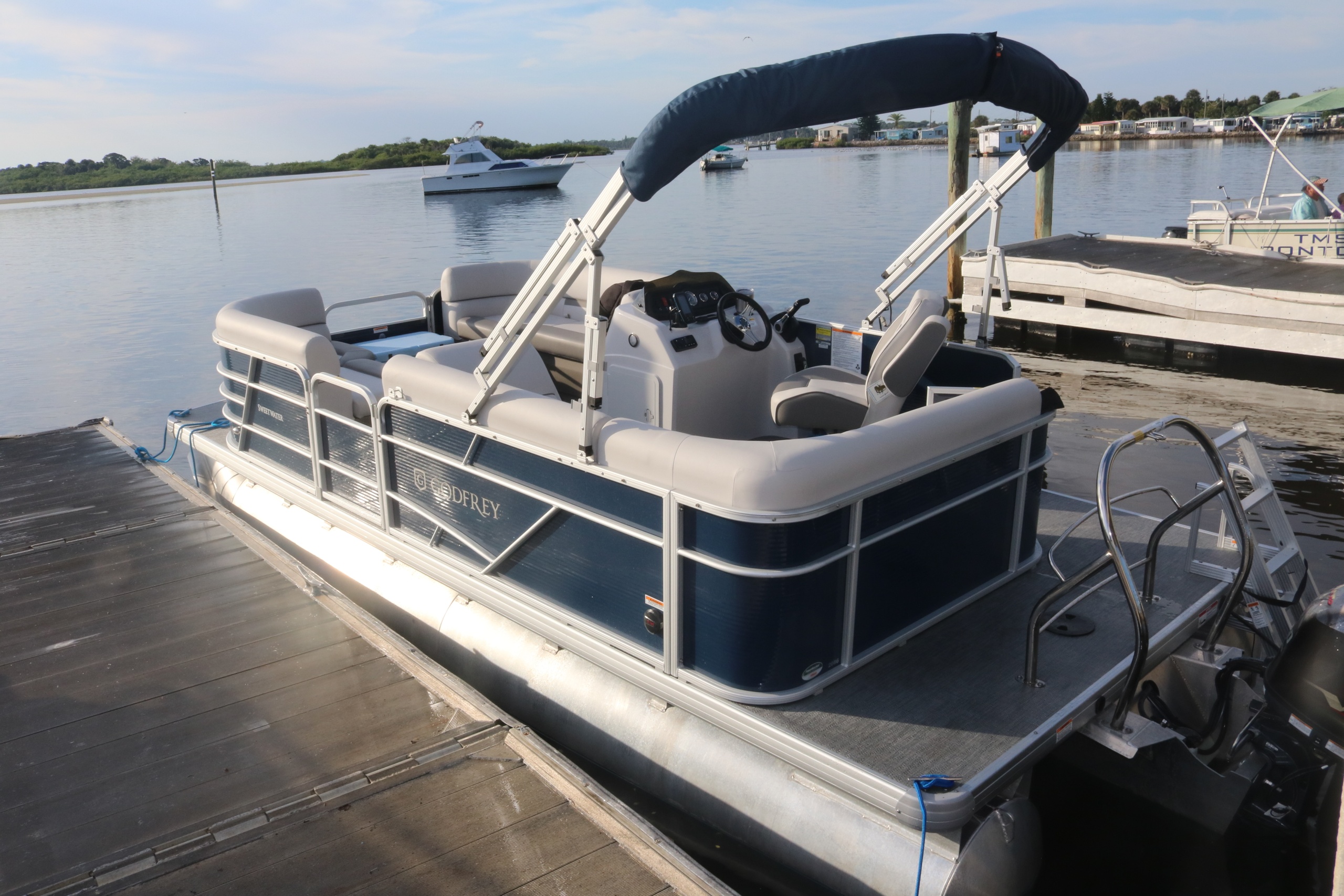
Port Orange’s proximity to both sheltered estuary flats and quick runs to the shelf creates accessible diversity: sight-fishing for redfish and trout in the morning, bottom fishing for grouper later in the day, and evening surf or pier sessions for smaller, steady-action species.

A small-town maritime culture supports angling with local tackle shops, family-run charters, and public access points — making it straightforward to outfit a trip whether you’re an experienced angler or picking up a rod for the first time.

Key Highlights

•Activity focus: Inshore, nearshore, pier, and surf fishing
•Accessible launch points and public piers for shore anglers
•Popular target species: redfish, spotted sea trout, snook, tarpon, pompano, kingfish, mahi on nearshore trips
•Best fishing is tide- and species-dependent — local tide charts matter
•Many charters and guides operate half- and full-day trips

Seasonal planning

Best Time to Visit

Port Orange’s subtropical climate means mild winters and hot, humid summers. Summer brings afternoon thunderstorms and onshore winds; winter cold fronts can concentrate fish but lower water temperatures. Watch for red tide advisories and local weather that can affect surf and nearshore conditions.

Top 12 Fishing Adventures in Port Orange, Florida
Seasonal Highlights

Peak Season: Spring through early fall (species like snook, redfish, and tarpon are most active) with weekend demand peaking in holiday periods.

Recommended months: March, April, May, June, July, August, September, October

Peak season

Spring through early fall (species like snook, redfish, and tarpon are most active) with weekend demand peaking in holiday periods.

High-demand period with peak activity schedules.

Best months

March – April – May – June – July – August – September – October

Optimal conditions for outdoor activities and tours.

Weather & conditions

Port Orange’s subtropical climate means mild winters and hot, humid summers. Summer brings afternoon thunderstorms and onshore winds; winter cold fronts can concentrate fish but lower water temperatures. Watch for red tide advisories and local weather that can affect surf and nearshore conditions.

Off-season & shoulder periods

Winter months can be excellent for surf fishing (pompano, whiting) and focused nearshore trips on calm days; lower visitation can mean easier access to ramps and piers.

Match the trip to your comfort

Choose Your Experience Level

Introductory

Beginner

Onshore and pier fishing, short guided trips, and calm estuary flats where visibility and shore access make learning easy.

  • Public pier session for pompano and whiting
  • Shore-based night fishing for mullet runs
  • Introductory half-day inshore charter
Active outing

Intermediate

Wading flats, sight-casting to redfish, and drift or live-bait techniques in estuaries. Some boat handling and tide-reading skills useful.

  • Kayak or skiff flats trip for spotted sea trout and redfish
  • Nearshore wreck/reef bottom fishing
  • Bridge and inlet fishing at tidal changes
Challenging / Technical

Advanced

Offshore and nearshore structure fishing, trolling for pelagics, and multi-technique days requiring diverse tackle and navigation skills.

  • Nearshore trolling for kingfish and barracuda
  • Offshore wreck trips for grouper and amberjack
  • Fly-fishing sight-casts on the flats for trophy redfish

Recommended Gear

What to Bring

Essential

Core items

  • Florida saltwater fishing license (if required for your trip)
  • Sunscreen and sun-protective clothing
  • Hat and polarized sunglasses (for spotting fish and reducing glare)
  • Light tackle: 7–20 lb spinning rod for inshore; heavier outfit for nearshore
  • Plenty of water and motion-sickness remedies if heading offshore
Recommended

Helpful extras

  • Tackle basics: variety of terminal tackle, soft plastics, spoons, live-bait rigging tools
  • Tackle box with leader material (fluorocarbon and mono) and hook assortment
  • Wading shoes or water shoes for surf and flats
  • Portable fish ruler or measuring tape and a basic first-aid kit
Optional

Trip-specific

  • Fly-fishing outfit for flats and mangrove edges
  • Lightweight rain jacket for summer downpours
  • Camera or action cam to document catches
  • Small cooler for bait and to keep any legal keepers fresh
Check tide charts and talk to local tackle shops or guides for current bite patterns before you go.

Insider Tips & Local Knowledge

Start planning around tides: low-to-escaping tides often expose flats and funnels that concentrate game fish, while incoming tides can bring bait and predators into shallow cuts. For sight-fishing, dawn and early morning light reduce glare and calm the water; use polarized sunglasses and a soft presentation. If you’re chartering, ask what they provide — many include rods, bait, and ice. For shore anglers, pack a light sand spike and multiple rigs; surf and pier bites can be fast and require quick re-rigging. Respect local closed seasons and size limits, and be prepared to adjust plans for sudden afternoon storms in summer. Finally, bring patience: Port Orange rewards anglers who read the water, adapt their method to tide and wind, and take time to learn the subtle edges where fish feed.

Planning questions

Frequently Asked Questions

Yes — most anglers age 16 and older need a Florida saltwater fishing license for recreational fishing unless exempt. Charter trips typically include license information for customers; always confirm with your captain.
Top 12 Fishing Adventures in Port Orange, Florida
Ready for your fishing adventure?

Browse 12 verified trips in Port Orange.

Compare current availability and book with instant confirmation.

Explore Port Orange fishing trips →