THE ADVENTURE COLLECTIVE® · Independent discovery and booking for outdoor travel
Porto Close‑Up: City Tours & Urban Adventures
Porto City Tour Guide

Porto Close‑Up: City Tours & Urban Adventures

Porto compresses centuries of maritime trade, tile‑clad façades, and steep, winding streets into a compact, walkable city that begs to be explored on foot, by tram, and from the river. City tours here are as much about following scent lines — roasting chestnuts, fresh pastry, and wine barrels — as they are about architecture and history. This guide focuses on curated ways to move through Porto’s neighborhoods, whether you want a short introduction to Ribeira or a deep, multi‑stop tasting of the city’s cultural layers.

RibeiraLuís I BridgeClérigos TowerPort Wine CellarsFoz do Douro

Live destination inventory

Top City Tour Trips in Porto

107 trips · Book with confidence · Instant confirmation

About The Destination

Why Porto's City Tours Are Essential

Porto is the sort of city that rewards slow attention. Walk a single street once and you’ll register the serried layers of time: a medieval street plan meeting 18th‑century mercantile wealth, then reinterpreted by modern cafés and galleries. City tours here aren’t just itineraries; they’re connective tissue that link tilework and tramlines to the river that made the city wealthy and the people who shaped its culture. From the azulejos that flank churches and train stations to the warehouses converted into port wine cellars across the river in Vila Nova de Gaia, guided routes highlight details that are easy to miss when you rush.

The terrain of Porto is immediate and physical. Steep hills and narrow alleys create cinematic sightlines — a sudden canted doorway, a tiled façade catching light, a view down to the Douro that unspools like a map. A good city tour modulates effort and reward: it pairs uphill stair sprints with flat riverside promenades, and intersperses walking with short tram or funicular rides so the day feels like movement, not punishment. For travelers who prefer wheels to soles, bike and e‑bike tours thread quieter residential neighborhoods and coastal stretches, while riverboat trips reframe the city from the water and reveal the scale of the bridges and quays.

Culturally, Porto tours are immersive without being theatrical. They bring together foodways and history — a stop at the Bolhão Market is as much about the vendors and seasonal produce as it is about the building’s future — and they situate culinary experiences within a longer narrative: why port wine cellars cluster on Gaia’s bank, how shipbuilding shaped certain neighborhoods, why Portuguese café culture still orients around long mornings and late‑afternoon sobremesas. Local guides fuse anecdote, architecture, and ecology: you’ll learn about the Douro’s estuarine dynamics, the city’s microclimates, and how coastal storms influence café terraces.

Practical planning is baked into the best tours. Porto is busiest in summer and during cruise ship peaks; neighborhoods like Ribeira and Clérigos can feel congested midday. A morning walking tour, a midafternoon cellar visit, and a sunset boat ride is a common rhythm that disperses crowds and delivers the city at its most forgiving angles. Lastly, Porto’s compactness means even shorter tours leave room for follow‑ups: extend a guided walk into a neighborhood self‑guided photo loop, or combine a tram ride with a culinary workshop to mix learning and leisure.

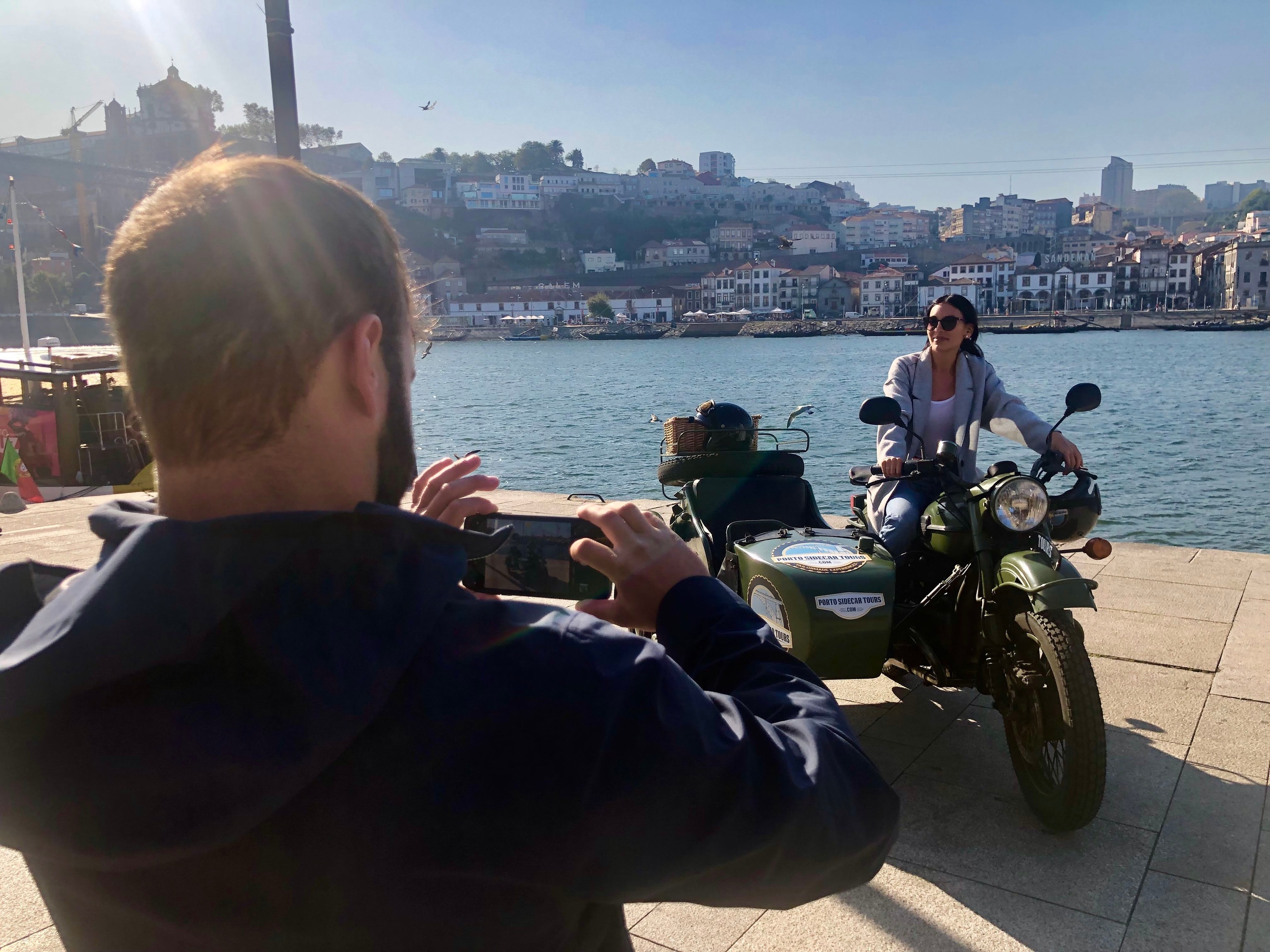
Compact and walkable: many highlights are within 20–40 minutes of each other on foot, but steep slopes are frequent.

Cultural layering is constant: architecture, food, and river commerce are woven into most tour narratives.

Seasonality affects crowding more than access—winter offers quieter streets, summer brings long hours and busy squares.

Combine modalities: walking + tram/funicular + riverboat is the most satisfying way to experience contrasts.

Key Highlights

•Activity focus: Urban exploration, cultural history, food & drink tasting
•Total city tours and experiences available: 107
•Terrain: cobbles, granite steps, steep inclines, riverside promenades
•Accessibility: central areas have uneven surfaces and many stairs; accessible tour options exist but should be confirmed in advance
•Typical tour length: short introductions (1–2 hours) to full‑day neighborhood deep dives

Seasonal planning

Best Time to Visit

Porto has a maritime climate—mild winters, warm summers, and frequent spring/autumn breezes. Rain is possible year‑round but concentrated in the cooler months; summer offers long daylight and festival activity.

Porto Close‑Up: City Tours & Urban Adventures
Seasonal Highlights

Peak Season: July–August (higher temperatures and increased tourists, including day visitors from cruises)

Recommended months: April, May, June, September, October

Peak season

July–August (higher temperatures and increased tourists, including day visitors from cruises)

High-demand period with peak activity schedules.

Best months

April – May – June – September – October

Optimal conditions for outdoor activities and tours.

Weather & conditions

Porto has a maritime climate—mild winters, warm summers, and frequent spring/autumn breezes. Rain is possible year‑round but concentrated in the cooler months; summer offers long daylight and festival activity.

Off-season & shoulder periods

November–March provides quieter streets, lower prices, and a more local rhythm—ideal for photography and undisturbed market visits, though some outdoor attractions may be damp.

Match the trip to your comfort

Choose Your Experience Level

Introductory

Beginner

Short, low‑intensity introductions focused on a single neighborhood or theme (Ribeira highlights, introduction to azulejos).

  • 1–2 hour Ribeira walking tour
  • Historic center orientation walk
  • Short tram ride and city overview
Active outing

Intermediate

Half‑day explorations that combine several neighborhoods, a market visit, and a cellar tasting or riverboat segment.

  • Bolhão Market + Cedofeita neighborhood walk
  • Tram ride to Foz and coastal promenade
  • Afternoon cellar tour followed by sunset boat cruise
Challenging / Technical

Advanced

Full‑day or multi‑day self‑guided itineraries and specialized tours focused on photography, architecture, or gastronomy that require stamina and time for in‑depth discovery.

  • Full‑day photographic route through old town and Gaia
  • Culinary deep dive with multiple tastings and market shopping
  • Independent multi‑neighborhood exploration with public transit

Recommended Gear

What to Bring

Essential

Core items

  • Comfortable shoes with good grip for cobbles and stairs
  • Water bottle (refillable) and light snacks
  • Portable umbrella or lightweight rain shell
  • Phone with local transit apps or offline map
  • Small daypack for purchases and layers
Recommended

Helpful extras

  • Power bank for photos and maps
  • Light scarf for breeze off the Douro
  • Reusable tote for market purchases
  • Cash and contactless card (some small vendors prefer one or the other)
Optional

Trip-specific

  • Compact binoculars for riverside birdwatching or distant bridge views
  • Notebook for sketches or street notes
  • Foldable walking poles for those who want extra support on hills
Confirm accessibility and opening hours before you go; small‑group and specialty tours require advanced booking during high season.

Insider Tips & Local Knowledge

Start early to catch cool light and empty staircases — mornings reveal tile details and quiet cafés. Use the funicular and the tram strategically to save energy for the best viewpoints and riverside walks. When you visit port wine cellars across the river, book a tasting slot and ask about the differences between ruby, tawny, and vintage ports rather than only the brand name. Avoid eating in the most touristy stretch of Ribeira at midday; walk one block inland for better value and more authentic flavors. Bring a lightweight daypack and minimal valuables; cobbles are charming but unforgiving on ankles. Consider a combined itinerary: morning walking tour, midday market and tasting, afternoon riverboat to see the bridges at sunset. Finally, practice basic Portuguese greetings — a simple 'bom dia' or 'obrigado' is always appreciated and opens friendlier conversation with guides and vendors.

Planning questions

Frequently Asked Questions

Popular walking tours and specialty experiences (port wine tastings, culinary workshops) can fill up, especially in summer. Book ahead for specific guides or small‑group tours; general introductory walks can often be joined the same day.
Porto Close‑Up: City Tours & Urban Adventures
Ready for your city tour adventure?

Browse 107 verified trips in Porto.

Compare current availability and book with instant confirmation.

Explore Porto city tour trips →