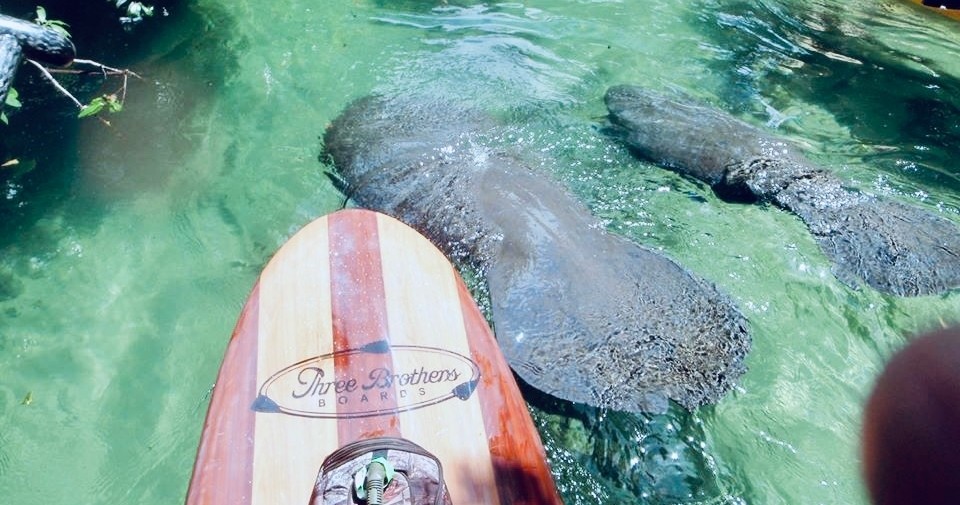
The image most travelers have of dolphin encounters is coastal: rolling surf, white sand and pods surfacing off a beachfront. Sanford’s dolphin story is quieter, subtler and, for many visitors, more intimate. Here the animals weave through an ancient water highway — the St. Johns River — that flows northward into the Intracoastal and the Atlantic. The river slows and widens into Lake Monroe near Sanford’s waterfront, creating a mosaic of deep channel, marshy shorelines and tidal influence that draws fish, birds and, seasonally or year-round, bottlenose dolphins.
A morning expedition in a shallow-draft skiff or a tandem kayak is different from a coastal charterscape: you trade open-ocean spectacle for a cinematic river stage. Dolphins often appear in small groups, nosing along channel edges, cresting near submerged oyster bars, or sliding around boat wakes. Their movements can be deliberate and local; some individuals are recurring visitors to the same inlets and bends. That repeatability — the chance to watch consistent animals in the same stretches of water over multiple trips — is what makes Sanford compelling for photographers, naturalists and anyone who likes the slow reveal of wildlife behavior.
Sanford’s built environment contributes to the experience. Historic downtown marinas, quiet public boat launches, and shallow tributaries mean outings are often short, accessible, and family-friendly. Kayaking or stand-up paddleboarding lets you get closer to shoreline fortransected marshes and birdlife without the roar of a larger motor. At the same time, responsible boat-based tours offer a deeper ecological framing: guides point out how salinity gradients, seasonal fish runs, and tidal shifts shape where dolphins hunt and travel. This is an experience equal parts natural history and easy outdoor recreation — perfect for travelers who want a wildlife encounter that’s reflective, photographic, and practical to plan in a day trip from the Orlando corridor.