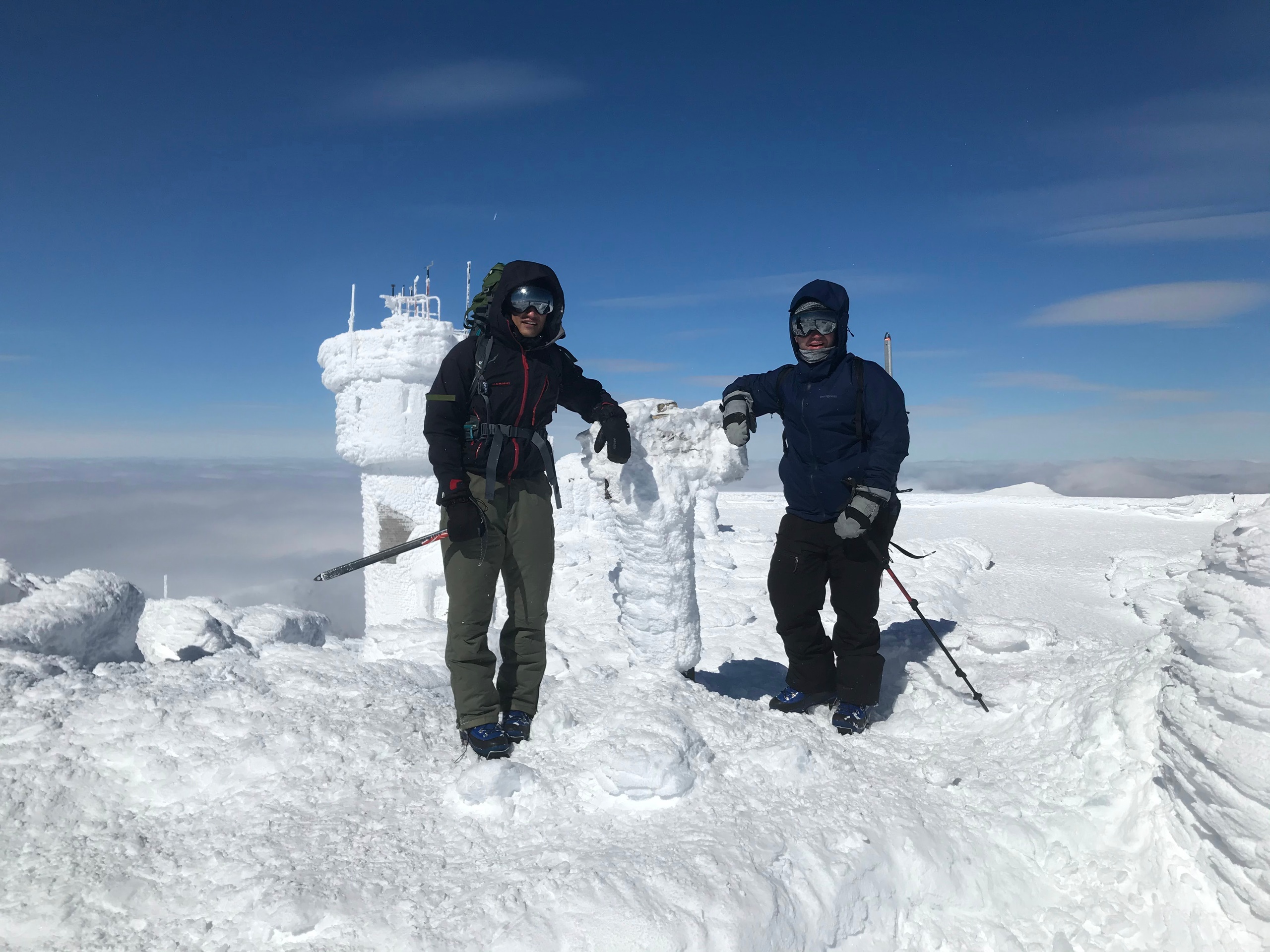
Shelburne sits at the intersection of accessible granite and northern New Hampshire’s raw weather, and that combination defines the climbing experience here. The collection of eleven primary crags and climbing zones around town compresses a season’s worth of skills into short approaches: slap on shoes and walk five to twenty minutes and you can be pulling on trad gear, working a slab problem, or stepping into an ice gully in winter. The rock tends toward clean, hard granite with features that reward hand jams and technical footwork; pockets and tufas are less common than the edges and cracks that make up the majority of routes. For visiting climbers this variety is useful—beginners can sample top-rope and easy sport routes near parking, while more experienced leaders will find multi-pitch potential and steep face climbs that require a full rack and route-finding.
The community around Shelburne is quietly pragmatic. Unlike heavily developed crags with bolted sport lines on every face, many of Shelburne’s areas reflect a mixed ethic: bolts on some sport sectors, long-standing trad lines that predate bolting campaigns, and a growing but respectful bouldering scene that prioritizes low-impact land access and crash-pad etiquette. Local climbers and seasonal guide services can point visiting parties toward the best objectives for the day—whether that means a sun-exposed slab in May, shaded cracks for a hot July afternoon, or a sheltered couloir that freezes into climbable ice in January. Because the town’s routes sit near roads and short trails, logistics are straightforward: less time on approaches and more time climbing. That accessibility also means brief windows of crowding on summer weekends and peak fall foliage days, but compared with larger White Mountain crags the overall traffic is modest.
Environmental and seasonal realities are central to planning here. Spring melt and late-season storms can send runoff through creek-bottom approaches and soften holds; summer thunderstorms bring slick rock and lightning risk on exposed faces. Fall often offers the most stable shoulders—cool days, crisp nights, and dry granite—but it’s also when day users and hikers converge for foliage. Winter transforms several gullies and waterfall-fed chimneys into ice climbs, but those routes can be finicky; temperatures and freeze-thaw cycles determine whether a line is safe. Responsible visiting means checking local conditions, carrying the right protection for the day’s objectives, and leaving no trace: many landing zones, shorelines, and access trails are on mixed public and private parcels where stewardship and cooperative access have preserved opportunities for all.