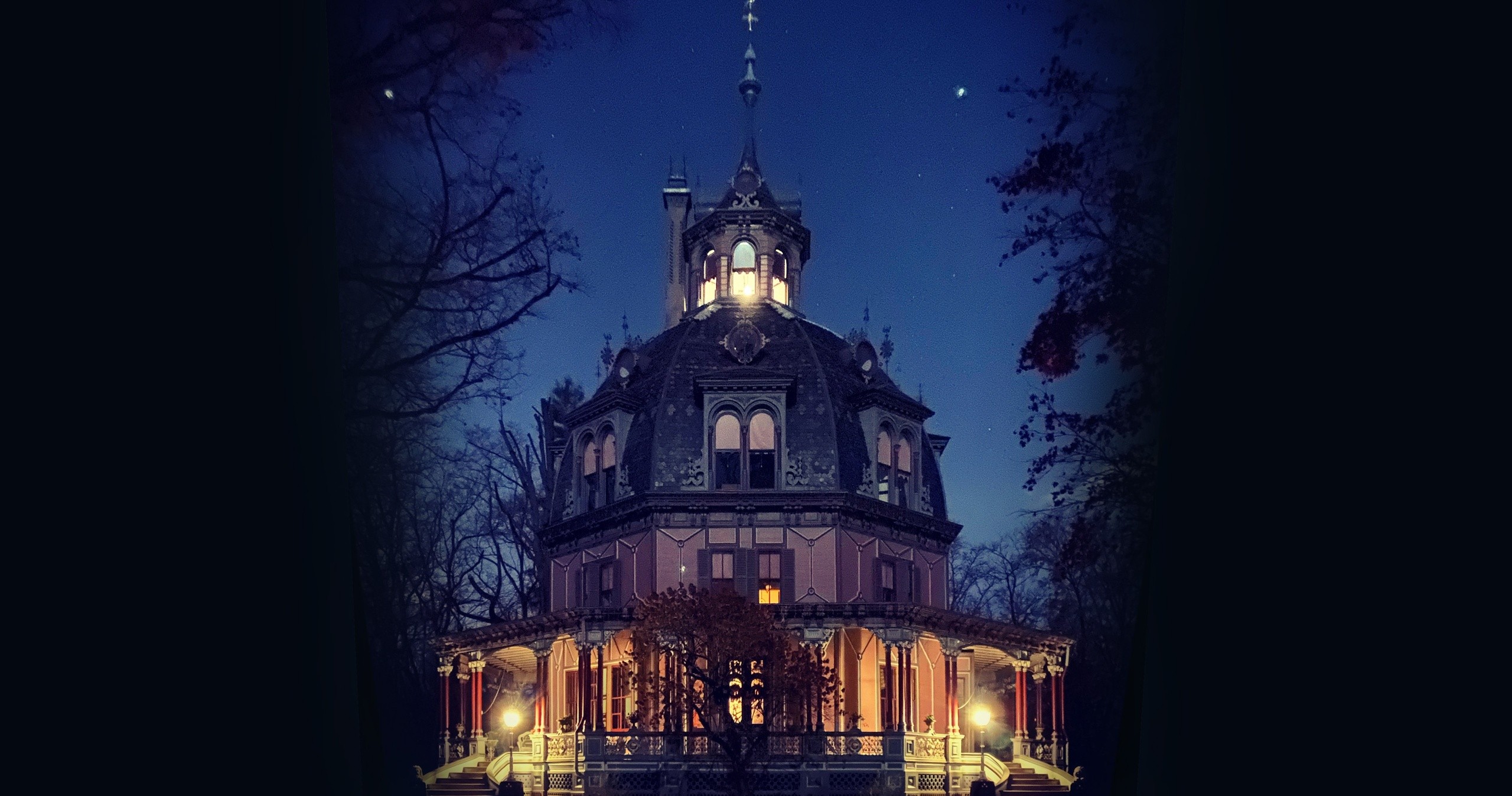
Sleepy Hollow reads like a layered walking map: each block is a sentence, each grave marker a footnote. The village sits on the Hudson’s eastern bank where tidal fog and river breezes blur the line between land and myth. For centuries people have walked these lanes—Indigenous trails followed by Dutch settlers, then Revolutionary messengers and later estate owners who landscaped with the same intent as a short narrative. What makes Sleepy Hollow exceptional for walking tours is this convergence of scale and story. You can cover dozens of historical eras in the space of a single morning: a marsh-backed mill site, the 17th-century Philipsburg Manor with its working farm, the 19th-century churchyards where stone carvers signed their work, and the winding carriage roads of nearby Rockefeller State Park Preserve.
Walking here is also an exercise in contrast. The Hudson waterfront stretches flat and open, with long river views and migrating birds; a few blocks inland, lanes narrow and the canopy tightens, pulling the pace inward. Seasonal shifts amplify that drama—spring’s green is freshly sculpted, summer fills the cemetery with dappled shade, and fall turns the hills into a pageant of color, making every walking tour feel like a curated exhibit. Guides—both official and self-taught—use these shifts to shape experiences: ghost tours lean into long autumn evenings, history walks favor crisp afternoons when cemeteries and plaques are legible, and landscape-focused routes come alive in quieter shoulder seasons when birds and river light dominate.
Finally, Sleepy Hollow’s walking-tour scene is accessible in a way that invites both casual travelers and committed walkers. Short themed loops are approachable for families and visitors with limited time; longer neighborhood-to-park itineraries let experienced walkers stitch together half-day expeditions that include riverside promenades, estate landscapes, and woodland paths. Walks here are simultaneously tactile and thoughtful—expect to touch old gate iron, step onto original paving, and stand among trees planted by an earlier century’s planners. That tactile intimacy, married to a strong sense of narrative, is what gives Sleepy Hollow its walking-tour magnetism.