THE ADVENTURE COLLECTIVE® · Independent discovery and booking for outdoor travel
Top Eco Tours in Sugarloaf Shores, Florida
Sugarloaf Shores Eco Tour Guide

Top Eco Tours in Sugarloaf Shores, Florida

Sugarloaf Shores is a compact, quietly spectacular coastal enclave where subtropical wetlands meet shallow turquoise flats. Eco tours here are intimate: small boats that thread mangrove roots, guides who whisper the names of birds, and snorkeling trips that double as moving marine biology lessons. This guide focuses on the kinds of hands-on, low-impact experiences—kayak wildlife tours, seagrass and reef snorkeling, birding walks, and conservation-focused boat trips—that let you explore the fragile threads connecting land and sea.

Mangrove ForestsSeagrass FlatsNearshore Reefs

Live destination inventory

Top Eco Tour Trips in Sugarloaf Shores

30 trips · Book with confidence · Instant confirmation

About The Destination

Why Sugarloaf Shores Is a Standout Eco-Tour Destination

Sugarloaf Shores reads like a cross-section of coastal Florida ecosystems compressed into a day’s paddle. Here, narrow channels wind through dense mangrove stands, their roots knotted into living breakwaters that slow tides and cradle juvenile fish. Past the mangrove fingers, shallow seagrass flats spread like a green carpet—feeding grounds for turtles and stingrays, and the base of a food web that supports offshore reef life. At a distance, low coral formations and patch reefs punctuate the shallow blue, attracting snappers, parrotfish, and the occasional dolphin that threads the channels with an easy grace.

What makes Sugarloaf Shores ideal for eco tours is scale and accessibility. The waterways are sheltered and shallow enough for guided kayaks and small skiffs, which keeps groups small and disturbances minimal. Guides here are often naturalists—people who grew up fishing, birding, or studying these waters—and their tours blend storytelling with practical stewardship. Instead of a checklist of species, they teach how mangroves trap sediment, how seagrass beds filter water, and why a single turtle sighting matters for conservation. Those small, educational moments—the call of a migrating shorebird, the way a juvenile tarpon flashes under the boat—are the durable impressions eco travelers remember.

Eco tours in Sugarloaf Shores are also a good primer on the region’s environmental challenges. Sea-level rise, warming waters, and development pressures show up in plain sight: thinning seagrass, episodic algal blooms after heavy rains, and the seasonal ebb and flow of fisheries. Local outfitters use tours to model low-impact techniques—strict no-anchor snorkeling areas, shore-based toileting policies, and visitor limits in sensitive zones. Many operators partner with research groups and community programs, offering participants the chance to help with seagrass monitoring, citizen-science bird counts, or cleanups that directly improve conditions.

For travelers, the payoff is experiential and actionable. An eco tour here is less about adrenaline and more about proximity: being close enough to see gill movement on a juvenile fish, to hear the rasp of a roseate spoonbill, to learn how local fishers read tide charts and weather. It’s an invitation to return with better questions and to make travel choices that support conservation. Whether you’re a casual nature lover, a family with curious kids, or a seasoned naturalist, Sugarloaf Shores delivers quiet, instructive encounters that connect a single day on the water to wider conservation stories unfolding across Florida’s coast.

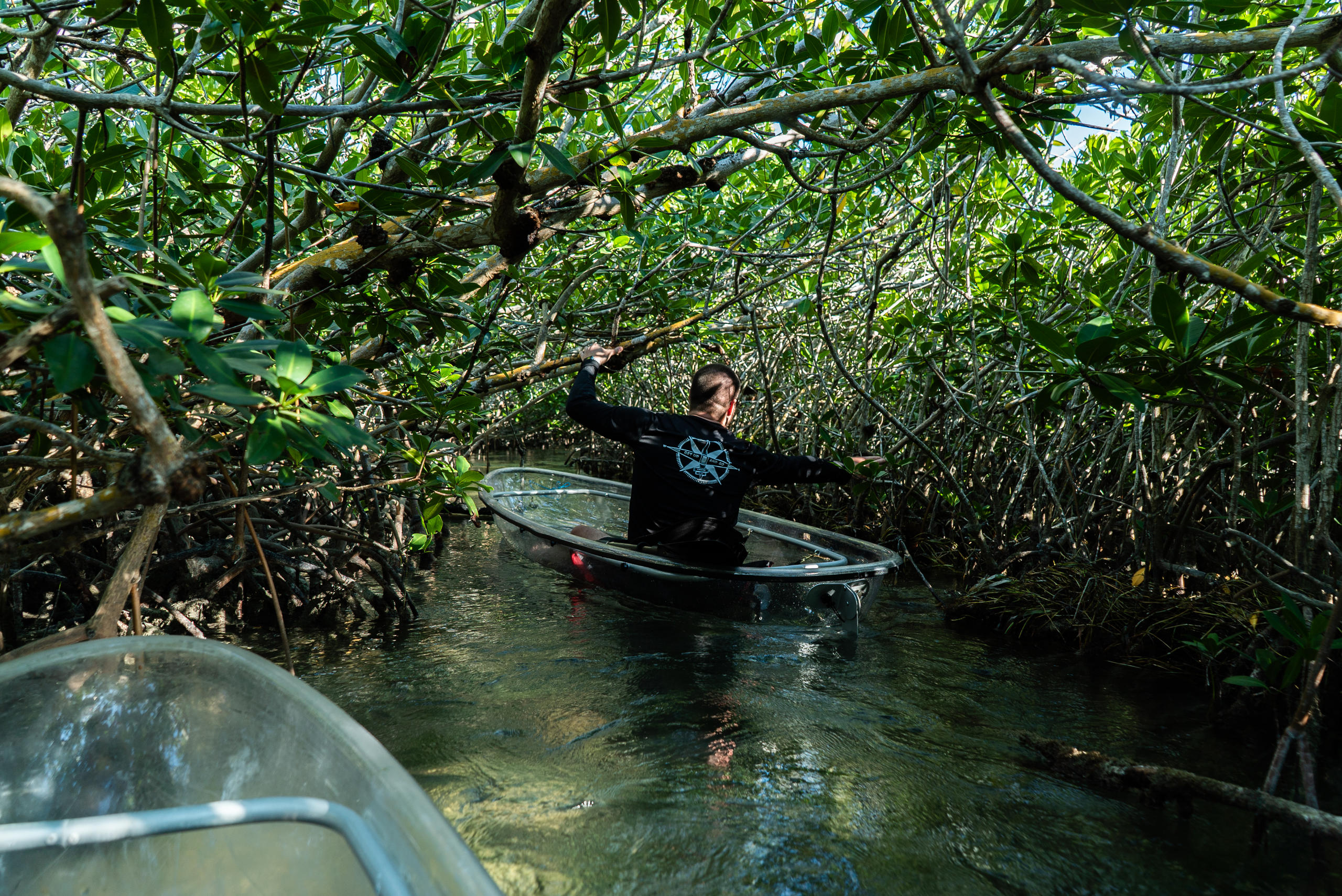
Tours emphasize small-group, low-impact access to mangroves, seagrass flats, and shorelines—ideal for wildlife observation without heavy disturbance.

Operators often combine sightseeing with active conservation work: seagrass monitoring, reef restoration updates, citizen science, and educational outreach.

Key Highlights

•Activity focus: Guided eco tours—kayak, boat, snorkeling, and birding
•Ideal for close-up wildlife viewing of birds, juvenile fish, turtles, and rays
•Many tours run as half-day or full-day outings suitable for families
•Operators prioritize low-impact practices: no-anchor zones, limited group sizes, and education-first guiding
•Interactions are seasonal—migratory birds peak in winter; turtle sightings are most common in warmer months

Seasonal planning

Best Time to Visit

Sugarloaf Shores has warm, humid summers with frequent afternoon thunderstorms and a wetter season tied to tropical activity from June through November. Winter and early spring bring drier air, clearer water visibility for snorkeling, and concentrated shorebird migration windows.

Top Eco Tours in Sugarloaf Shores, Florida
Seasonal Highlights

Peak Season: December through March—mild temperatures, peak bird migration, and calm winter seas.

Recommended months: November, December, January, February, March, April

Peak season

December through March—mild temperatures, peak bird migration, and calm winter seas.

High-demand period with peak activity schedules.

Best months

November – December – January – February – March – April

Optimal conditions for outdoor activities and tours.

Weather & conditions

Sugarloaf Shores has warm, humid summers with frequent afternoon thunderstorms and a wetter season tied to tropical activity from June through November. Winter and early spring bring drier air, clearer water visibility for snorkeling, and concentrated shorebird migration windows.

Off-season & shoulder periods

Summer and early fall offer quieter waterways, lower tour prices, and the best opportunities to see juvenile marine life, but be mindful of heat, humidity, and hurricane-season advisories.

Match the trip to your comfort

Choose Your Experience Level

Introductory

Beginner

Gentle guided kayaks, short boat eco-cruises, and shore-based bird walks with minimal physical demand; excellent for families and casual nature lovers.

  • Half-day mangrove kayak with a naturalist
  • Short educational boat cruise to adjacent flats
  • Shorebird spotting walk with spotting scope
Active outing

Intermediate

Longer paddles across shallow flats, guided snorkeling over nearshore reefs, and combined kayak/snorkel days that require moderate fitness and comfort in water.

  • Full-day kayak to seagrass flats with guided snorkeling
  • Nearshore reef snorkeling with conservation briefing
  • Early-morning birding paddle across tidal channels
Challenging / Technical

Advanced

Multi-hour open-water paddles, technical shallow-water navigation at lower tides, or volunteer-focused trips involving monitoring or restoration work requiring stamina and experience.

  • Offshore reef snorkel and fish identification survey
  • Extended tidal crossing paddles at variable currents
  • Citizen-science expeditions for seagrass or water-quality monitoring

Recommended Gear

What to Bring

Essential

Core items

  • Light, quick-drying clothing and a wind/rain shell
  • Water bottle (1–2 liters) and sun-protective snacks
  • reef-safe sunscreen and a wide-brim hat
  • Water shoes or sandals that stay on in a kayak or boat
  • Reusable dry bag for phone, keys, and layered clothing
Recommended

Helpful extras

  • Polarized sunglasses for spotting fish and birds
  • Long-sleeve UV-protective shirt for extended sun exposure
  • Small binoculars for birding
  • A camera with a waterproof case or compact underwater camera
Optional

Trip-specific

  • Light snorkeling gear if you prefer your own mask and fins
  • Field guide or offline app for local birds and marine life
  • Small notebook for naturalist notes or sketching
Book small-group operators, be aware of tidal schedules, and follow all guide instructions to minimize impact on sensitive habitats.

Insider Tips & Local Knowledge

Start tours early—mornings are cooler, winds are often calmer, and wildlife activity tends to peak. Ask your guide about recent water visibility and tide windows; seagrass exploration and some snorkeling sites are best at mid to high tide. Choose reef-safe sunscreen and leave single-use plastics behind: local operators prioritize trash-free outings. If you want a quieter, more personal experience, request private or micro-group trips. For those who want to give back, look for operators that include citizen-science options or donate a portion of proceeds to local restoration projects. Finally, check seasonal advisories—marine conditions and wildlife patterns shift with storms and freshwater runoff, and respectful timing keeps both you and the habitats safer.

Planning questions

Frequently Asked Questions

Most operators require basic swimming ability for snorkeling trips but provide flotation devices for kayaks and many snorkel outings. Inform operators of comfort levels—non-swimmers can often join boat-based tours.
Top Eco Tours in Sugarloaf Shores, Florida
Ready for your eco tour adventure?

Browse 30 verified trips in Sugarloaf Shores.

Compare current availability and book with instant confirmation.

Explore Sugarloaf Shores eco tour trips →