THE ADVENTURE COLLECTIVE® · Independent discovery and booking for outdoor travel
Top Air Activities in Volcano Village, Hawaii
Volcano Village Air Activities Guide

Top Air Activities in Volcano Village, Hawaii

Perched on the edge of one of the world's most active volcanic landscapes, Volcano Village is a launchpad for air-based exploration: from hush-of-dawn helicopter flights that reveal molten rivers and steam plumes to small-plane and ultralight scenic tours that trace rainforest ridgelines and dramatic coastal cliffs. This guide focuses on airborne experiences that place you above Hawaiʻi Island's geological drama—what to expect, when to go, and how to plan for visibility, winds, and the unique cultural and environmental considerations that come with flying over Pele’s realm.

Kīlauea CalderaHawaiʻi Volcanoes National ParkPuna Coastline

Live destination inventory

Top Air Activities Trips in Volcano Village

6 trips · Book with confidence · Instant confirmation

About The Destination

Why Volcano Village Is a Standout Air-Activities Destination

There is a peculiar hush that arrives the moment a rotorlift begins its approach—an expectant stillness that softens the forest sounds below and focuses attention upward. In Volcano Village that hush is born of scale: you are about to see earth remaking itself. From the air, the island reads like a living map of contrasts—fissures and blackened flows carve moonscapes into the green, steam plumes rise in pale banners above steaming vents, and the coastline unspools into jagged cliffs and black sand beaches where surf scours the lava fields. Air activities here are not merely scenic; they are a form of translation: turning geological time into a single, visceral hour.

Flying above Kīlauea and the surrounding park compresses the island’s disparate ecosystems into a single frame. Aerial vantage reveals how fresh pahoehoe ribbons snake down slopes, how rainforests cling to windward cliffs, and where lava meets the sea in sudden, hissing unions. The perspective changes how you move on foot thereafter—trails that seemed vague from below become obvious routes of flow, while distant ridgelines reveal optional flights, coastal landings, and hidden access points for hike-and-fly combinations. There's also a cultural clarity that comes from altitude: many Native Hawaiian stories and place names are rooted in the contours of land and sea. Seeing the scale of a mountain, a crater, or a coastline from above can deepen respect for local traditions and the living deity Pele, whose presence people acknowledge when exploring these places.

Practically speaking, air activities around Volcano Village are shaped by weather, visibility, and respect for sensitive environments. Trade winds sweep across the island and can buff or smooth a flight; vog—volcanic haze—can settle over the park and alter visibility rapidly. Operators time flights for morning calm and clearer air, and pilots monitor changes that can turn an ideal window into a grounded day. Because the landscape itself can be dynamic—new flows, steaming vents, and shifting patterns of gas—operators blend real-time local knowledge with aviation safety to craft itineraries that are as flexible as the terrain.

What makes airborne adventures here especially compelling is the layering of sensory anchors: the low rumble through the fuselage, the acidic tang of volcanic gases when you hover near active vents (often noticeable only after landing with strict safety buffers applied), the sudden patchwork of greens and charcoals, and the feeling of traversing a landscape at once ancient and newly forming. For travelers, that blend of spectacle and instruction—seeing geological processes in motion, then hiking to feel them underfoot—creates a fuller, more memorable relationship to Hawaiʻi Island than either perspective alone can offer.

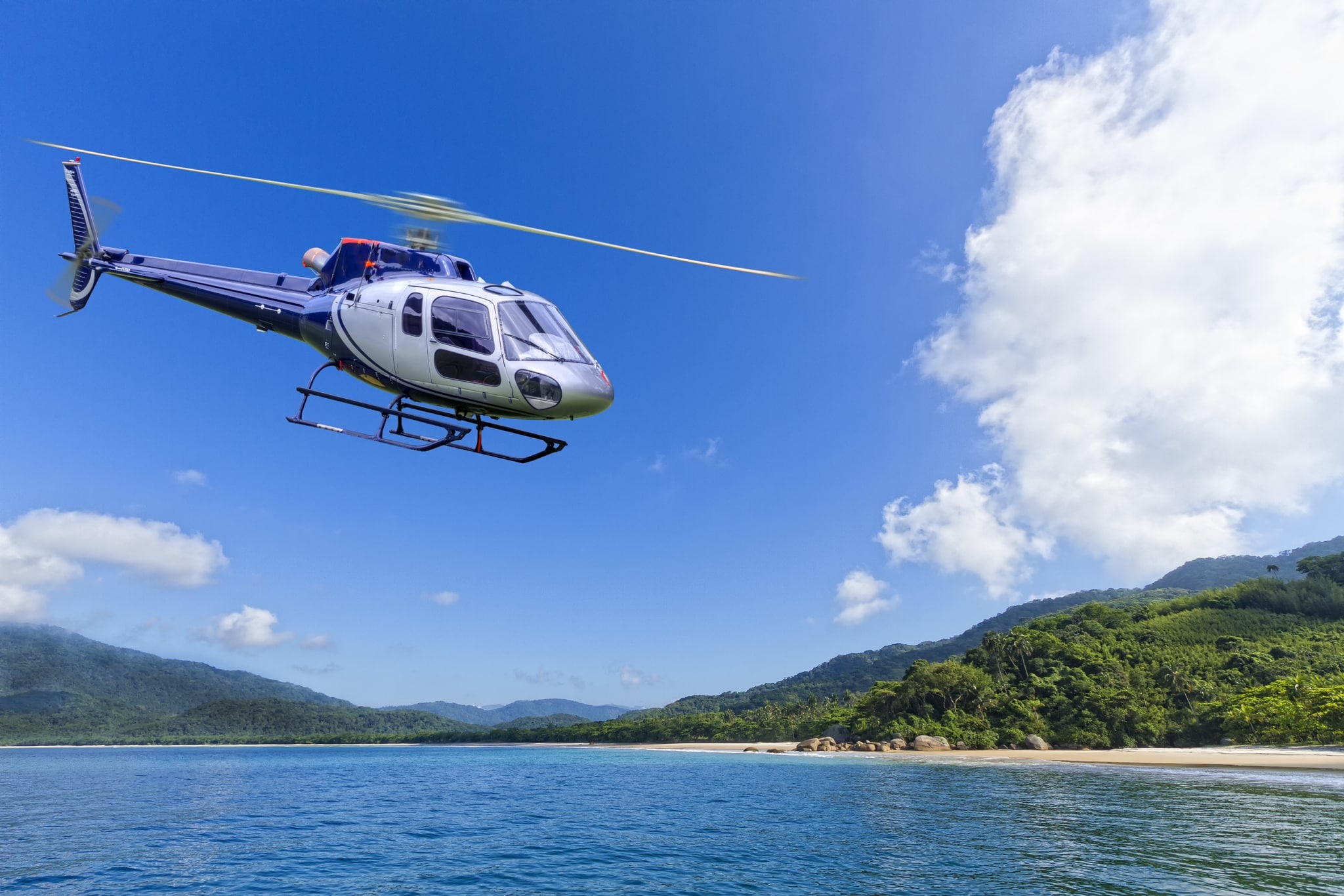
Air tours provide unique access to features that are difficult or unsafe to reach on foot: coastal lava entry points, extensive lava plains, and the full scale of caldera formations visible only from above.

Because conditions change quickly near active volcanic areas, expect schedule flexibility—many operators shift departure times or routes in response to wind, vog, or park advisories.

Combine an aerial overview with ground-based activities—guided lava viewing hikes, night tours for glowing flows, and coastal excursions—to convert a one-hour flight into a multi-dimensional day of exploration.

Key Highlights

•Activity focus: Scenic helicopter and small-aircraft flights, aerial photography, and specialized airborne experiences
•Total matching air experiences near Volcano Village: 6
•Visibility can be impacted by vog (volcanic haze) and trade-wind patterns
•Many flights operate in morning windows for calmer air and clearer views
•Respect for cultural sites and natural hazards is integral—follow operator guidance

Seasonal planning

Best Time to Visit

Drier months often provide calmer winds and clearer visibility, making morning flights especially favorable. Trade winds and brief tropical showers can develop in the afternoons. Vog (volcanic haze) from eruptive activity can reduce visibility and is unpredictable; operators monitor air quality and visibility closely.

Top Air Activities in Volcano Village, Hawaii
Seasonal Highlights

Peak Season: Summer months and holiday periods see higher demand for scenic flights; book morning windows in advance.

Recommended months: May, June, July, August, September

Peak season

Summer months and holiday periods see higher demand for scenic flights; book morning windows in advance.

High-demand period with peak activity schedules.

Best months

May – June – July – August – September

Optimal conditions for outdoor activities and tours.

Weather & conditions

Drier months often provide calmer winds and clearer visibility, making morning flights especially favorable. Trade winds and brief tropical showers can develop in the afternoons. Vog (volcanic haze) from eruptive activity can reduce visibility and is unpredictable; operators monitor air quality and visibility closely.

Off-season & shoulder periods

Shoulder seasons can offer lower crowds and competitive availability, though windier conditions or vog may limit flight windows—flexible scheduling often yields opportunities.

Match the trip to your comfort

Choose Your Experience Level

Introductory

Beginner

Introductory scenic flights designed for first-time flyers and casual travelers. Emphasis is on stable, narrated routes and safe viewing of major landmarks.

  • Short helicopter overview of the Kīlauea caldera
  • Small-plane coastal scenic flight
  • Introductory aerial photography tour
Active outing

Intermediate

Longer flights with more varied routes, doors-off photo options (where permitted), and combined air-and-ground itineraries that include short guided hikes or beach access.

  • Extended helicopter route along lava flows and coastline
  • Small-aircraft flight combined with a guided lava viewing hike
  • Paramotor or ultralight scenic sortie (operator-dependent)
Challenging / Technical

Advanced

Specialized airborne experiences for experienced adventurers and photographers—requires physical readiness, rapid adaptability to changing weather, and sometimes pre-briefing for aerial operations.

  • Custom aerial photography mission with doors-off ops (subject to operator and regulatory approval)
  • Multi-segment flights combining high-altitude, coastal, and backcountry reconnaissance
  • Flight-and-landing excursions that support access to remote trailheads

Recommended Gear

What to Bring

Essential

Core items

  • Valid photo ID and any required boarding documents
  • Camera with secure strap or wrist tether (no loose items in rotorcraft)
  • Windproof outer layer—airborne temperatures and winds feel cooler
  • Sunglasses and sunscreen for high-light conditions
  • Small daypack for any post-flight hikes
Recommended

Helpful extras

  • Motion-sickness medication if you’re prone to airsickness
  • Ear protection if you prefer extra noise reduction beyond provided headsets
  • Binoculars for spotting coastal wildlife or reading lava textures
  • Compact rain shell—brief showers are common
Optional

Trip-specific

  • Extra batteries and memory cards for extended photography
  • Light gloves for cooler mornings or open-cockpit experiences
  • Notebook for observational notes—airborne vantage changes your reading of the land
Flight windows can open and close quickly—book morning departures, stay flexible, and confirm status the evening before and the morning of your flight.

Insider Tips & Local Knowledge

Arrive prepared: operators typically require check-in 30–60 minutes before departure for safety briefings. If you're chasing optimal light for photography, ask about the sun's bearing relative to planned routes. Respect no-fly and cultural buffers—many sites are considered sacred, and pilots observe specific corridors to minimize disturbance. If local volcanic activity increases, trust the operator’s guidance; canceled flights are often rescheduled for safety rather than risk. Finally, consider pairing an aerial tour with a guided ground experience in Hawaiʻi Volcanoes National Park to translate what you saw from the sky into a tactile, on-foot understanding of the landscape.

Planning questions

Frequently Asked Questions

Experienced operators follow strict safety protocols, including minimum approach distances to active vents, continuous monitoring of volcanic activity, and adherence to aviation advisories. Confirm that your operator provides safety briefings and follows local park or aviation restrictions.
Top Air Activities in Volcano Village, Hawaii
Ready for your air activities adventure?

Browse 6 verified trips in Volcano Village.

Compare current availability and book with instant confirmation.

Explore Volcano Village air activities trips →