THE ADVENTURE COLLECTIVE® · Independent discovery and booking for outdoor travel
Climbing in Volcano Village, Hawaii
Volcano Village Climbing Guide

Climbing in Volcano Village, Hawaii

Around Volcano Village the land is both recent and raw — cooled flows, jagged aa ridgelines, and airy cinder cones define a climbing experience unlike classic granite crags. Climbing here is a hybrid of bouldering, scrambling, and route-finding across volcanic terrain, with a cultural and geological backdrop that rewards patience, respect, and preparation. Expect technical footing, rapidly changing access depending on volcanic activity, and a focus on low-impact, expert-conscious movement rather than crowded sport crags.

Hawaii Volcanoes National ParkKīlauea CalderaLava fieldsCinder cones

Live destination inventory

Top Climbing Trips in Volcano Village

5 trips · Book with confidence · Instant confirmation

About The Destination

Why Volcano Village Is a Distinct Climbing Destination

Volcano Village sits at a geological crossroads where fire-made landscapes still feel new. The island’s most recent eruptions sculpted surfaces that range from glassy pahoehoe to the broken, knife-edged textures of aa. For climbers who are drawn to unusual movement and terrain that tests more than finger strength — an eye for hold quality, careful footwork, and the humility to step back when ground is unstable — this is a compelling place.

Climbing around Volcano Village rarely looks like a traditional route in a bolted sport area. Instead, it’s a mosaic: low-angle boulder problems perched on cooled lava shelves, exposed scrambles across cinder cones that reward route-finding more than straight-line force, and technical approaches over old flow fields where the rock can be flaky, glassy, or unexpectedly brittle. That variability is the point. Climbers here learn to read volcanic rock: identifying stable holds in a landscape that often appears untrustworthy, improvising gear solutions when anchors are limited, and prioritizing safety in a place where the earth’s history is visible with every step.

Beyond the physical challenges, the area is steeped in cultural and ecological significance. Many of the lava fields and ridgelines sit within sight of sacred places and protected habitats. Climbing here is not just an athletic pursuit but an exercise in stewardship — moving lightly, avoiding fragile native plants that colonize cooled flows, and following guidance from park authorities and local communities. Weather and air quality are active variables: vog (volcanic haze), sudden showers, and closures related to volcanic activity can change plans on short notice. Because access frequently depends on current volcanic conditions, local knowledge and pre-trip planning are essential: check National Park Service alerts, community advisories, and, when available, hire a local guide who understands both the rock and the regulations.

The reward is singular. When conditions align, the remoteness and geological drama create moments of pure, elemental climbing — a sharp hold on a basalt edge, a skyline of crater rims silhouetted against a Pacific sunset, or the sound of wind across an ancient flow. Complementary experiences — guided volcano tours, lava-tube explorations, native-plant walks, and night-sky viewing — round out a trip that’s part climbing expedition, part natural history lesson. For adventurous climbers who value technical adaptability and cultural awareness, Volcano Village offers an experience that is rare and uncompromising.

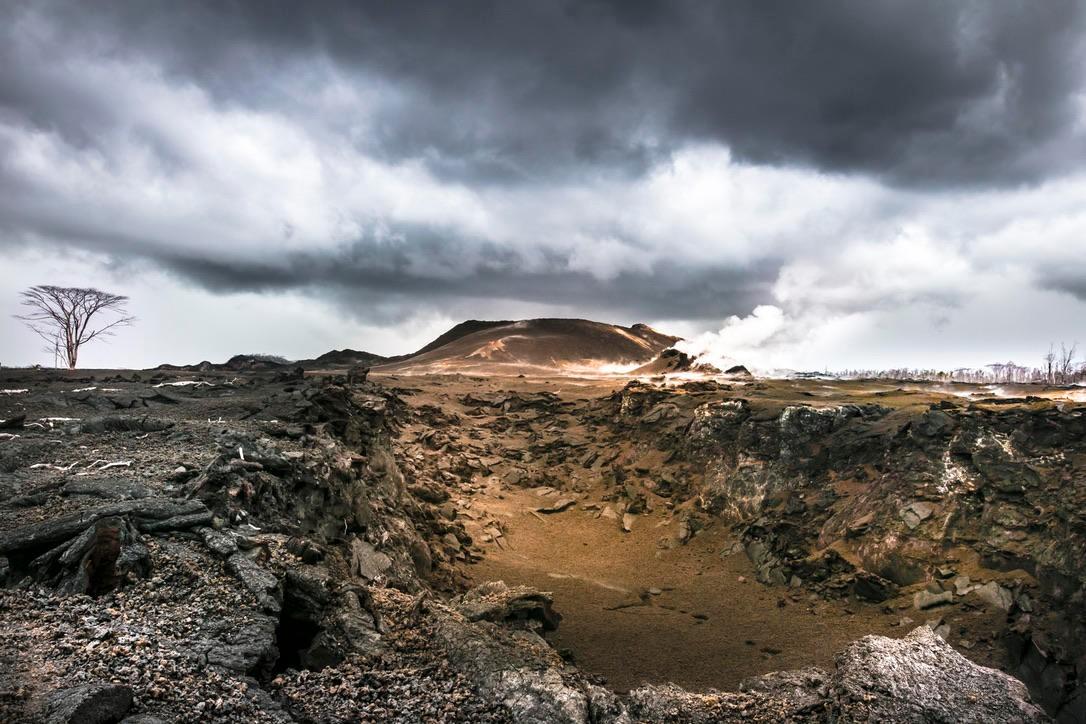
The climbing is intimate and technical: short, precise problems and scrambles rather than long multi-pitch lines. Expect to combine rock skills with route-finding and careful movement on variable volcanic surfaces.

Access and safety are governed by geology and local policy. Park closures, toxic gases, and fragile ecosystems mean climbers should plan for alternate objectives and prioritize guided outings when attempting unfamiliar terrain.

Key Highlights

•Activity focus: Technical bouldering, scrambling, and volcanic rock movement
•Terrain: Hardened lava flows (pahoehoe and aa), cinder cones, crater rims, loose scoria
•Primary hazards: Unstable rock, sharp glassy surfaces, vog (volcanic haze), sudden closures
•Access: Proximity to Hawaii Volcanoes National Park—check park alerts before travel
•Best for climbers comfortable with route-finding and non-standard anchors
•Complementary activities: Volcano viewing, lava-tube exploration, native-plant walks, night-sky photography

Seasonal planning

Best Time to Visit

The drier months generally run from spring into early fall, offering more stable approaches and clearer air. Trade winds can moderate temperatures but also carry vog inland. Winter brings increased rainfall, which can make lava-field approaches muddy and slick. Always check volcanic activity and air-quality alerts.

Climbing in Volcano Village, Hawaii
Seasonal Highlights

Peak Season: Holiday periods and summer months bring more park visitors; climbing areas remain relatively quiet but access restrictions can coincide with higher visitation.

Recommended months: April, May, June, July, August, September, October

Peak season

Holiday periods and summer months bring more park visitors; climbing areas remain relatively quiet but access restrictions can coincide with higher visitation.

High-demand period with peak activity schedules.

Best months

April – May – June – July – August – September – October

Optimal conditions for outdoor activities and tours.

Weather & conditions

The drier months generally run from spring into early fall, offering more stable approaches and clearer air. Trade winds can moderate temperatures but also carry vog inland. Winter brings increased rainfall, which can make lava-field approaches muddy and slick. Always check volcanic activity and air-quality alerts.

Off-season & shoulder periods

Late fall and winter can offer solitude but expect more rain, potential trail closures, and reduced visibility from clouds or vog.

Match the trip to your comfort

Choose Your Experience Level

Introductory

Beginner

Beginner climbers should stick to short, low-angle boulder problems and non-technical scrambles on stable, well-trodden portions of cooled flows. Focus on movement technique and route-reading rather than committing to exposed lines.

  • Low-angle bouldering on hardened pahoehoe shelves
  • Short cinder-cone scrambles with minimal exposure
  • Guided introductory movement sessions on safe lava-field sections
Active outing

Intermediate

Intermediate climbers can link longer circuits that require multiple technical moves, build simple anchors for top-roping, and navigate unstable approaches. Comfortable trad skills and anchor-building are useful.

  • Top-rope setups on stable lava outcrops (route-dependent)
  • Multi-boulder circuits across flow fields
  • Cinder-cone ridge routes with route-finding
Challenging / Technical

Advanced

Advanced climbers will tackle exposed scrambles, construct complex anchors where permitted, and operate independently in remote lava terrains. Experience with variable rock quality, self-rescue, and volcanic-hazard awareness is assumed.

  • Technical cragging on island basalt where anchors are present
  • Extended backcountry routes combining scrambling and climbing
  • Expeditions planned around park access windows and current volcanic conditions

Recommended Gear

What to Bring

Essential

Core items

  • Climbing shoes suitable for small edges and smears
  • Helmet (recommended for all lava-field climbing)
  • Harness and basic trad/top-rope gear if attempting anchored climbs
  • Appropriate rope for planned objectives
  • Sturdy approach shoes for sharp volcanic terrain
  • Water and sun protection (hat, SPF)
  • Park map, permits or pass if required by National Park Service
Recommended

Helpful extras

  • Guidebook or topo and a GPS device (phone backups often fail in remote sections)
  • Gloves for scrambling on rough lava
  • First-aid kit and a small knife
  • Dust mask or N95 for days with significant vog
  • Lightweight pack with rain shell
  • Anchor-building kit: slings, cordelette, extra webbing
Optional

Trip-specific

  • Crash pad for bouldering low problems (where permitted and safe)
  • Camera with wide-angle lens for crater and skyline shots
  • Binoculars for bird and landscape viewing
  • Lightweight crampon-style gaiters for protection against sharp fragments
Always verify park alerts, closures, and volcanic activity before heading out. Local guides and park rangers are the best sources for up-to-date access information.

Insider Tips & Local Knowledge

Start early to avoid afternoon vog buildups and to give yourself margin for route-finding. Respect cultural sites and fragile vegetation—many plants slowly colonize cooled flows and can be damaged by off-route travel. Wear a helmet: sharp, glassy surfaces are common and rock can fracture unpredictably. Bring more water than you think; volcanic landscapes reflect heat and shade can be scarce. If you plan to build anchors, practice skills in known, stable areas first and consider using redundant systems. Consider hiring a local guide for complex climbs or first-time visits — they’ll know which flows are safe, how to read recent activity, and where to set responsible anchors. Finally, pack patience: plans often change here because the ground itself is active. That flexibility is part of the reward.

Planning questions

Frequently Asked Questions

Access rules vary by exact location. Some areas within or adjacent to Hawaii Volcanoes National Park require a park pass or are subject to temporary closures. Always check National Park Service alerts and signage; for complex or technical objectives, consider hiring a licensed local guide who can advise on permits.
Climbing in Volcano Village, Hawaii
Ready for your climbing adventure?

Browse 5 verified trips in Volcano Village.

Compare current availability and book with instant confirmation.

Explore Volcano Village climbing trips →