THE ADVENTURE COLLECTIVE® · Independent discovery and booking for outdoor travel
Top 12 Hiking Adventures in Wailua, Hawaii
Wailua Hiking Guide

Top 12 Hiking Adventures in Wailua, Hawaii

Wailua is where a broad, wet valley meets the ocean: emerald river corridors, rainforest gulches, and a mix of gentle riverbank strolls and steep, knife-edge ridge hikes. This guide focuses on hiking experiences within and around Wailua—from easy viewpoints and cultural walks to half-day ridge traverses and waterfall approaches that demand good footing and local know-how.

Wailua RiverSleeping Giant (Nounou) RidgeOpaekaa FallsMakaleha FallsWailua Coastal Bluffs

Live destination inventory

Top Hiking Trips in Wailua

12 trips · Book with confidence · Instant confirmation

About The Destination

Why Wailua Is a Standout Hiking Destination

Wailua is a concentrated portrait of Kauai’s wetter side: a braided river winding past taro lo‘i, steep verdant ridges carpeted in native ferns, and waterfalls that tumble from forested amphitheaters. Hikes here are intimate rather than epic—short approaches that quickly immerse you in rainforest geometry, the sound of falling water, and a strong sense of place informed by Hawaiian history. That proximity to water changes everything. Trails can shift from dry singletrack to muddy root-laced climbs in a single mile; stream crossings can be ankle-deep one week and impassable the next. That volatility rewards flexibility and local knowledge: arrive with the expectation of wet shoes and a good navigation plan, and Wailua’s contrasts become the attraction.

Culturally the valley is layered too. Wailua was a center of aliʻi (chiefly) activity and ceremony; certain places retain sacred status and are treated with deference. Hikers quickly learn that the experience here blends natural spectacle with cultural landscape—old heiau sites, taro terraces, and river routes that were once primary travel corridors. That context encourages a different pace: quieter approaches, attention to signage and access rules, and an appreciation for the ways water has shaped both land and local life.

Topography in Wailua runs from gentle river flats to dramatic ridgelines like Nounou (Sleeping Giant), which offers panoramic views that sharpen immediately above the valley. Waterfall hikes—Makaleha and the Secret Falls often reached via river shuttle—are highlights because they combine approach variety (boat, paddle, or foot) with a payoff that is visually immediate: moss-draped cliffs, plunge pools, and photogenic cascades. Meanwhile, coastal pathways and sea-bluff walks near the mouth of the valley open a different register: trade-wind-swept horizons, seabird colonies, and lava-rock shorelines that contrast with the inland rainforest.

Practical planning is paramount. Trails are short by mainland standards but can be technical: slick roots, sharp grade changes, and braided channels mean you need traction, patience, and a conservative approach to weather. Services are limited compared with larger islands; guides, boat shuttles, or local operators are often the best way to access some routes safely, especially waterfall approaches that require river navigation. For hikers who like variety—easy cultural loops, river-accessed falls, steep ridge ascents, and coastal walks—Wailua offers a compact, richly textured playground that feels both accessible to day-trippers and rewarding to those who come prepared to read conditions and move deliberately.

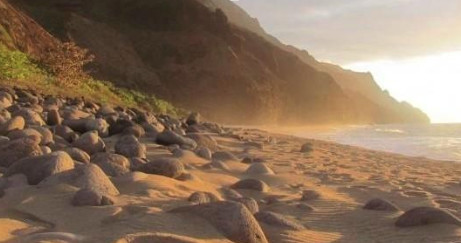
Wailua’s hiking character is defined by water: the river is a transportation corridor and the rain-fed valley creates persistent green cover. Expect frequent microclimate shifts—sun breaks and sudden showers are the norm.

Many of the best experiences combine activities: kayaking the Wailua River to a trailhead, pairing a sunrise ridge hike with a post-hike swim, or adding a cultural stop at historic sites. Local outfitters can streamline logistics for waterfall access.

Key Highlights

•Activity focus: Hiking with strong water- and culture-based connectors
•12 curated hikes and approaches focused on the Wailua valley and immediate surroundings
•Waterfall and river-access hikes often require a boat, kayak, or guide for the easiest approach
•Trails can be muddy, rooty, and steep—traction matters
•Respect cultural sites and posted access rules; some areas are seasonally restricted

Seasonal planning

Best Time to Visit

Wailua sees its heaviest rains November–March; those months deliver dramatic waterfalls and swollen rivers but make some trails slippery or unsafe. Late spring and early fall offer a balance of lower rainfall and warm conditions. Afternoon showers are possible year-round.

Top 12 Hiking Adventures in Wailua, Hawaii
Seasonal Highlights

Peak Season: Late winter through early spring for peak waterfall flow; summer holiday weeks bring higher visitation to coastal parks.

Recommended months: April, May, September, October

Peak season

Late winter through early spring for peak waterfall flow; summer holiday weeks bring higher visitation to coastal parks.

High-demand period with peak activity schedules.

Best months

April – May – September – October

Optimal conditions for outdoor activities and tours.

Weather & conditions

Wailua sees its heaviest rains November–March; those months deliver dramatic waterfalls and swollen rivers but make some trails slippery or unsafe. Late spring and early fall offer a balance of lower rainfall and warm conditions. Afternoon showers are possible year-round.

Off-season & shoulder periods

Shoulder months (April–May; September–October) have fewer crowds and reliable trail conditions. Winter weekdays can be quiet but be prepared for wet weather and stronger river currents.

Match the trip to your comfort

Choose Your Experience Level

Introductory

Beginner

Short, mostly flat walks and overlooks that introduce Wailua’s river corridor and coastal scenery with minimal technical difficulty.

  • Opaekaa Falls viewpoint and riverbank stroll
  • Short coastal bluff walk near Lydgate State Park
  • Easy riverside cultural loop
Active outing

Intermediate

Moderate elevation gain, uneven terrain, and half-day outings that may include muddy sections, short scrambling, or a river shuttle to the trailhead.

  • Sleeping Giant (Nounou) East or West Ridge loop
  • Makaleha Falls approach on mixed singletrack
  • Secret (Uluwehi) Falls via river/kayak access
Challenging / Technical

Advanced

Steeper, longer ridge traverses and jungle routes that require strong fitness, route-finding ability, and readiness for wet, technical terrain.

  • Full Nounou Ridge traverse with exposed sections
  • Remote waterfall approaches that involve stream crossings and route-finding
  • Extended rainforest explorations combining river travel and foot access

Recommended Gear

What to Bring

Essential

Core items

  • Sturdy trail shoes with good grip (trail runners or boots)
  • Water (1–2 liters) and electrolyte snacks
  • Light rain shell or packable layer
  • Navigation (offline map or GPS) and a fully charged phone
  • Sun protection (hat, sunscreen) for exposed ridgelines
Recommended

Helpful extras

  • Quick-dry clothing and a change of socks
  • Trekking poles for muddy descents
  • Small first-aid kit and blister care
  • Waterproof dry sack for electronics
Optional

Trip-specific

  • Light microspikes for the wettest season (if you plan to explore slick rock sections)
  • Binoculars for bird and ocean watching
  • Compact camera or wide-angle lens for waterfall and ridge vistas
Confirm access and shuttle options in advance, and treat cultural sites with respect—do not climb or enter restricted areas.

Insider Tips & Local Knowledge

Start hikes early to avoid afternoon showers and to secure parking at popular trailheads. If you're planning a waterfall approach that uses the Wailua River, book a local outfitter for shuttles or guided paddles—those operators know current conditions and the safest places to land. Bring footwear that tolerates water; many hiking routes include muddy sections and low river crossings. Leave no trace: pack out what you pack in, and be mindful of fragile taro lo‘i and private property near lower valley areas. Finally, ask locally about seasonal closures—land access can change with weather and cultural events.

Planning questions

Frequently Asked Questions

Most day hikes in the Wailua area do not require permits, but specific private access points and some waterfall approaches may be controlled or require a paid shuttle/guide. Always check local access rules before you go.
Top 12 Hiking Adventures in Wailua, Hawaii
Ready for your hiking adventure?

Browse 12 verified trips in Wailua.

Compare current availability and book with instant confirmation.

Explore Wailua hiking trips →