THE ADVENTURE COLLECTIVE® · Independent discovery and booking for outdoor travel
Dolphin Encounters in Yankeetown, Florida
Yankeetown Dolphin Guide

Dolphin Encounters in Yankeetown, Florida

Where the rivers lace into the Gulf and wide salt flats catch the sun, Yankeetown is a quiet corner of Florida where bottlenose dolphins are part of the daily skyline. This guide focuses on dolphin-centered experiences—slow boat cruises, kayak and stand-up paddleboard trips, responsible wildlife charters, and shoreline watching—designed to help you plan encounters that are both memorable and low-impact.

Lower Suwannee National Wildlife RefugeGulf of MexicoHomosassa RiverWithlacoochee River

Live destination inventory

Top Dolphin Trips in Yankeetown

11 trips · Book with confidence · Instant confirmation

About The Destination

Why Yankeetown Is a Standout Place to See Dolphins

Tucked along the Nature Coast where the Suwannee and Withlacoochee rivers meet the Gulf, Yankeetown offers a particular kind of dolphin experience: intimate, local, and shaped by shallow estuaries that teem with fish and crustaceans. Unlike big tourist ports where multiple large boats chase fast-moving pods, Yankeetown’s quieter waterways encourage slow, observational outings—kayaks slipping through mangrove-lined creeks, small skiffs easing over muddy flats, and guided eco-tours that prioritize animal welfare and habitat education. The dolphins here often move seasonally with baitfish and tides, but their presence is constant enough that a well-timed morning or late-afternoon trip will often reward you with playful bow-riding, foraging in shallow channels, or the occasional social group that surfaces close to shore.

The character of these encounters is shaped by the landscape. Low dunes, salt marshes, and oyster bars create a mosaic of foraging grounds; during spring and early summer, mullet runs and shrimp migrations can concentrate food into narrow channels, drawing dolphins nearer to boats and shore. In cooler months, the same estuarine complexity gives way to concentrated feeding along tidal cuts. For travelers, that means the experience is as much about reading tide charts and chasing light as it is about animal sightings—sunrise flats, glassy water, and long shadows often predict the best viewing. Local captains and outfitters know specific cuts, sandbars, and freshwater outflows where dolphins congregate, and they operate with a lighter footprint: single-engine skiffs, limited passenger counts, and routes that avoid prolonged close approaches.

Culturally, Yankeetown keeps its small-town pace. Stops at local bait shops, a chat with a longtime captain about seasonal patterns, or a short detour to the Lower Suwannee National Wildlife Refuge add context to what you see on the water. Complementary experiences—birding along salt marsh edges, manatee floats in neighboring springs, or shallow-water shelling—pair naturally with dolphin outings and broaden an understanding of this fragile coastal system. For photographers and naturalists the region is a study in subtlety: behaviors unfold close to the surface and often against a backdrop of muted palettes—saltgrass, knobby mangrove trunks, and the Gulf’s sweeping horizon. For families and first-time wildlife watchers, the calm, sheltered waters reduce the intimidation factor associated with larger open-water excursions and allow for a more reflective, educational encounter.

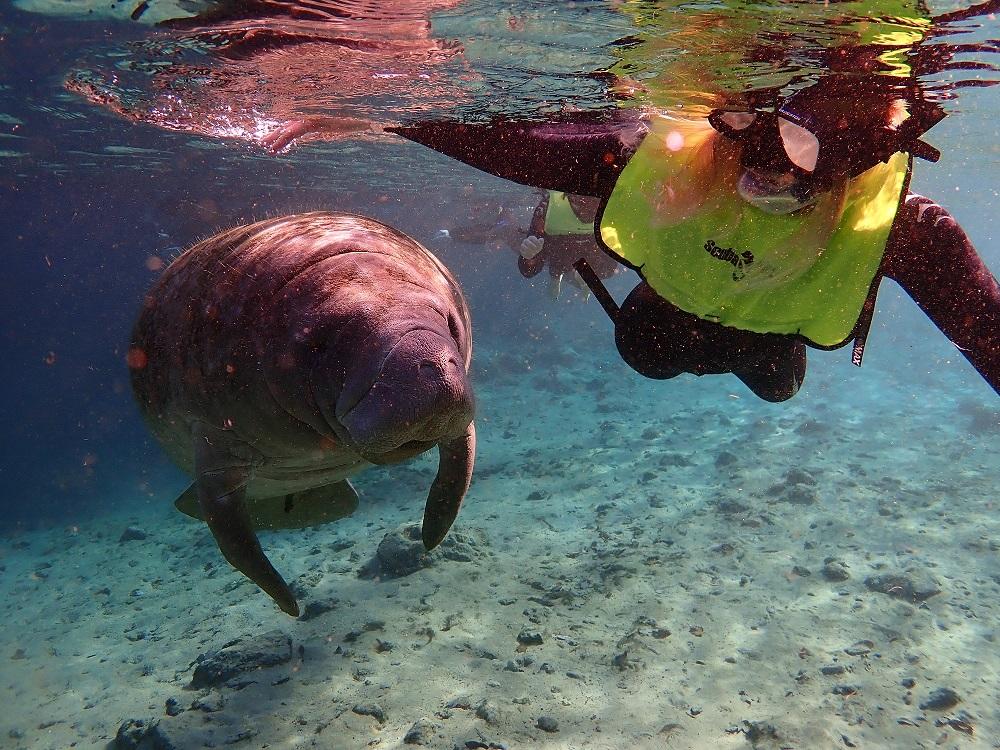
Seasonality matters here: spring and early summer concentrate feeding activity in channels and near river mouths, while late fall and winter shifts seeing patterns to sheltered inlets and river bends.

Responsible operators in Yankeetown emphasize distance, speed reductions, and short observation periods so dolphins can continue normal behaviors with minimal stress.

Key Highlights

•Activity focus: Dolphin watching & guided encounters
•Best platforms: small skiffs, kayaks, and paddleboards for quieter approaches
•Typical sighting types: bow-riding, foraging in flats, social groups near channels
•Waterways: estuaries, tidal creeks, and nearshore Gulf waters
•Wildlife to pair with: shorebirds, manatees, and seasonal fish migrations

Seasonal planning

Best Time to Visit

Coastal Florida weather is warm for much of the year; spring and fall offer the most comfortable temperatures and calmer seas. Summer brings afternoon thunderstorms and higher humidity—early mornings are best. Winter can bring cool fronts and wind-driven choppiness that limit small-boat trips.

Dolphin Encounters in Yankeetown, Florida
Seasonal Highlights

Peak Season: Spring through early summer (baitfish migrations and calmer mornings increase sighting probability).

Recommended months: March, April, May, September, October, November

Peak season

Spring through early summer (baitfish migrations and calmer mornings increase sighting probability).

High-demand period with peak activity schedules.

Best months

March – April – May – September – October – November

Optimal conditions for outdoor activities and tours.

Weather & conditions

Coastal Florida weather is warm for much of the year; spring and fall offer the most comfortable temperatures and calmer seas. Summer brings afternoon thunderstorms and higher humidity—early mornings are best. Winter can bring cool fronts and wind-driven choppiness that limit small-boat trips.

Off-season & shoulder periods

Winter offers fewer crowds and crisp mornings—sightings persist, and some operators offer discounted outings. Windier days can be better for shore-based viewing or refuge trails.

Match the trip to your comfort

Choose Your Experience Level

Introductory

Beginner

Shoreline watching, short guided boat tours with calm-water routes, and family-friendly kayak floats.

  • Sunrise estuary cruise
  • Short guided kayak dolphin float
  • Refuge boardwalk viewing and interpretive talk
Active outing

Intermediate

Half-day eco-cruises that explore river mouths and nearshore bars, longer kayak or SUP trips that require basic paddling skills.

  • Half-day wildlife charter into river mouths
  • Guided SUP tour over shallow flats
  • Combined birding and dolphin watching boat trip
Challenging / Technical

Advanced

Open-water dolphin excursions, photography-focused trips requiring sea-keeping skills, or multi-activity days that include fishing and coastal navigation.

  • Nearshore Gulf dolphin photography charter
  • Sea kayak day trip into larger estuarine channels
  • Private research-style encounters or naturalist-led surveys

Recommended Gear

What to Bring

Essential

Core items

  • Light waterproof jacket and sun-protective clothing
  • Sunglasses with retainer and sun hat
  • Reusable water bottle and sun-protective lip balm
  • Camera with a mid-range zoom (70–200mm or equivalent)
  • Motion-sickness remedy if prone to seasickness
Recommended

Helpful extras

  • Binoculars for distant pods and birdwatching
  • Dry bag for electronics and a spare phone battery
  • Quick-dry layers and water shoes for kayak or paddle tours
  • Waterproof sunscreen (reef-safe) and a small towel
Optional

Trip-specific

  • Polarized lens to cut glare for spotting beneath the surface
  • Compact field guide to Gulf Coast marine life
  • Snorkel gear for summer shallow-water swims where allowed
Respect wildlife, tides, and local regulations—ask questions of captains and guides; their patterns-based knowledge greatly improves your chance of meaningful sightings.

Insider Tips & Local Knowledge

Start early for glassy water and active feeding windows; mid-morning to late afternoon tends to see quieter behavior or increased boat traffic. Check tide charts: incoming tides often concentrate baitfish and bring dolphins into shallow channels. Choose smaller, locally owned operators who run fewer passengers and prioritize low-speed approaches—those tours offer the best balance of sighting frequency and ethical viewing. Combine a dolphin trip with other nearby activities: a stop at the Lower Suwannee National Wildlife Refuge for salt-marsh birding, a swim or manatee viewing in nearby springs, or a sunset walk on local beaches for a chance at different lighting and behaviors. Pack for variable conditions—sun protection and a light wind layer are essential even on warm days. Finally, photograph thoughtfully: use moderate zoom, keep shutters ready for quick surfacing events, and aim to observe before documenting; many of the best moments happen when you’re simply watching rather than framing.

Planning questions

Frequently Asked Questions

No public permit is required to watch dolphins from shore or from a boat, but commercial operators should comply with state and federal wildlife regulations. Always follow NOAA guidelines for marine mammal viewing distance.
Dolphin Encounters in Yankeetown, Florida
Ready for your dolphin adventure?

Browse 11 verified trips in Yankeetown.

Compare current availability and book with instant confirmation.

Explore Yankeetown dolphin trips →