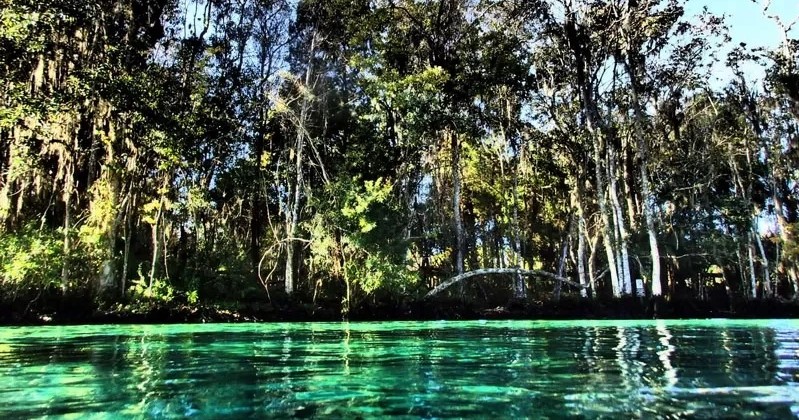
The first breath below a Yankeetown dive feels like stepping into a quieter chapter of Florida’s Gulf coast. Sunlight fractures through a green-blue column and settles over scalloped fingers of seagrass, while small schools of snapper and grunt weave along the edges of oyster bars. This is not a place of towering walls or dramatic drop-offs; it’s a saltwater mosaic where shallow reefs, intentionally sunk wrecks and the slow-moving mouths of spring-fed rivers meet. The result is an intimate brand of diving—less about adrenaline and more about observation. After a short run from the launch, your boat may drift over a mixed bottom of sand and grass, parked near a wreck colonized by sponges and amber jacks, with the occasional stingray slipping off into the soft sediment.
Yankeetown’s proximity to freshwater influence—most notably the Withlacoochee River system and nearby springs—shapes the experience. Tannic water from the river mixes with Gulf tides to create layers of color, temperature and nutrient flow that affect visibility and marine life patterns. In cooler months, clearer water and migrating species move inshore; in warmer months, different schools and spawning activity enliven the reefs. Because most sites are shallow to moderate in depth and close to shore, the area is ideal for relaxed two-tank mornings, repeat dives with local operators, and combining scuba with surface activities like kayaking estuaries or guided wildlife viewing. Above all, the diving culture here leans practical and protective: operators and locals emphasize reef care, manatee awareness and low-impact anchoring practices, so excursions feel like responsible explorations of a fragile coastal system rather than a checklist of trophies.