THE ADVENTURE COLLECTIVE® · Independent discovery and booking for outdoor travel
Snorkel Yankeetown, Florida — Inshore Reefs, Seagrass Beds & Mangrove Passages
Yankeetown Snorkel Guide

Snorkel Yankeetown, Florida — Inshore Reefs, Seagrass Beds & Mangrove Passages

Yankeetown is modest in scale but expansive in biodiversity — a quiet access point to shallow Gulf flats, seagrass meadows, and mangrove-lined channels that shelter juvenile fish and seasonal rays. Snorkeling here favors gentle currents, warm water, and close encounters with species adapted to the subtler, brackish edge of the sea: seahorses, crabs, porgy, and the occasional patch reef dwellers. This guide focuses on how to plan short boat or shore-based snorkel outings, where to look for life, and how to read tidal and weather conditions for the clearest, safest experience.

Withlacoochee RiverGulf of MexicoCedar Keys & National Wildlife RefugeMangrove estuaries

Live destination inventory

Top Snorkel Trips in Yankeetown

37 trips · Book with confidence · Instant confirmation

About The Destination

Why Yankeetown, Florida Is a Standout Snorkel Destination

Yankeetown is not a place of dramatic drop-offs or high-visibility coral reefs; it’s subtler and, for many snorkelers, more rewarding. Here the story is told in seagrass blades that ripple like ocean wheat, in mangrove roots that host nurseries of juvenile fish, and in sandy flats where stingrays net their shadow. The water is warm and often shallow, which means long, languid sightlines on calm days and a different kind of intimacy with the marine world: you don’t need to descend into blue to feel surrounded by life. Instead you hover over ecosystems that are the backbone of the Gulf’s productivity, watching small dramas unfold—an anemone clinging to a scallop shell, a lonely horseshoe crab crossing the sand, a garfish darting through the grass.

The region’s mix of freshwater outflow and ocean water creates a mosaic of salinity and substrate types that supports diverse assemblages. Tidal channels cut through mangrove stands and open into flats that are exposed at low tide and cloaked in water at high tide; that rhythm determines which animals are visible and when. For snorkelers, this means timing matters as much as location. Early morning slack tides often offer the calmest surface and the clearest water, while late afternoon light gives the shallow seafloor a soft, golden clarity. Because Yankeetown is less trafficked than nearby tourist hubs, snorkel sites here can feel private—ideal for learning species identification, photographing small subjects, or simply moving at the pace of the tide.

Culturally and ecologically, Yankeetown sits on the edge of the Cedar Keys and the wider Nature Coast, an area with a long history of fishing, small-boat navigation, and conservation. Local guides and outfitters tend to be fishermen first and naturalists second; their knowledge of currents, seasonal shifts, and hidden shoals is invaluable. Complementary activities—paddling mangrove channels, birding mudflats at low tide, or kayaking the Withlacoochee—pair perfectly with snorkeling days and deepen your understanding of the coastal food web. Above all, snorkeling here is an exercise in attention: the rewards build slowly the more you look, and the best encounters come when you adapt to the tide, respect fragile habitats, and move with patience.

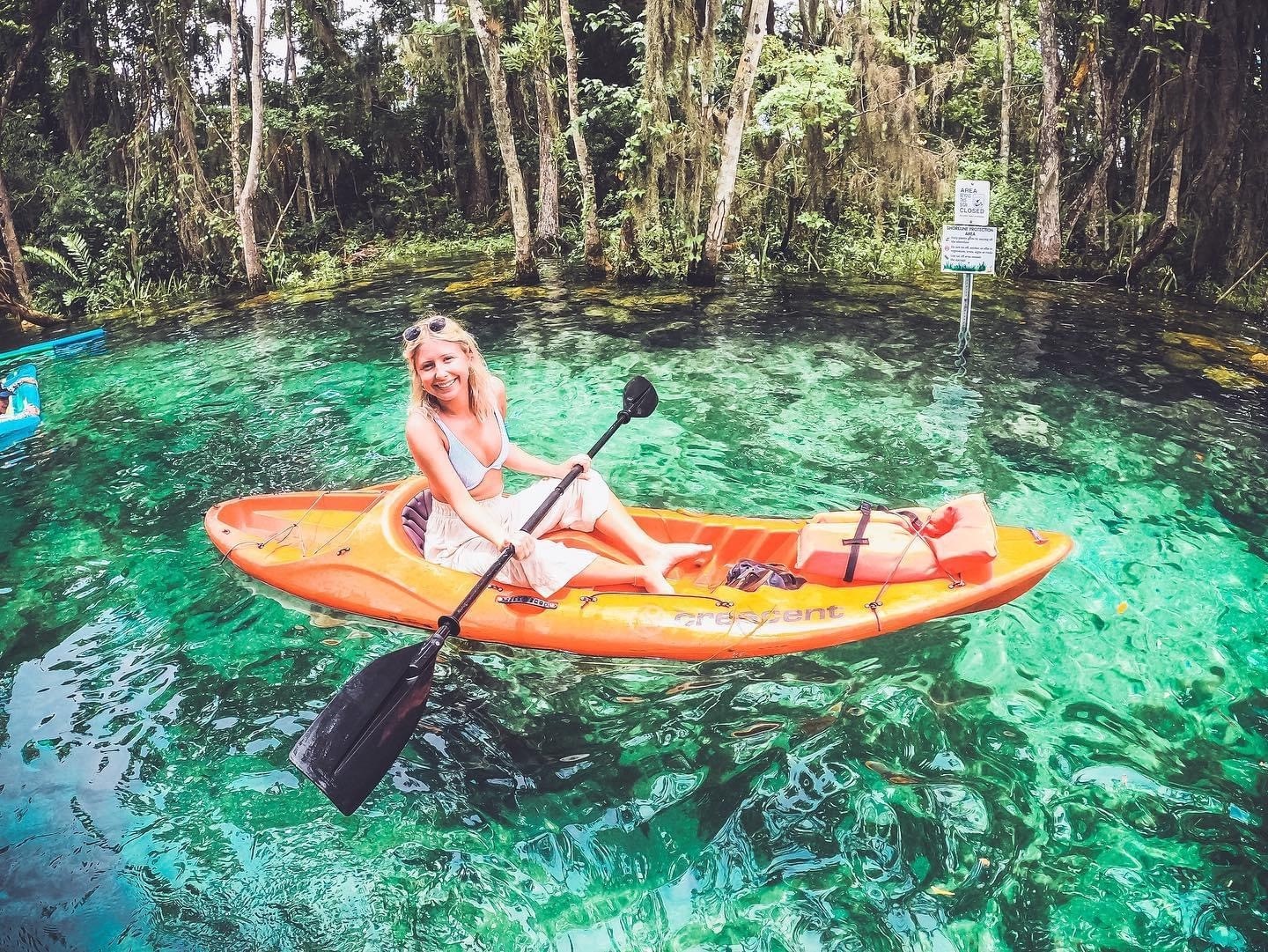
The Nature Coast’s calmer inshore waters favor family-friendly snorkeling and accessible shore entries; boat access expands options but is not required for meaningful wildlife encounters.

Seasonal shifts bring different highlights: spring and summer are best for juvenile fish and seahorses, while fall can concentrate larger predators and clearer water after droughts or settled weather patterns.

Key Highlights

•Activity focus: Shallow-water inshore snorkeling (seagrass, sand flats, mangrove channels)
•Total matching experiences in the area: 37
•Typical depth: waist to chest to 10–15 feet in nearby channels
•Best visibility on slack tides and calm mornings
•Combine with kayaking, birding, or scallop-season excursions

Seasonal planning

Best Time to Visit

Warm water and stable conditions are most common from late spring through early fall. Hurricane season (June–November) can produce turbidity and churned sediments. Mornings tend to be the calmest; onshore winds from the east or northeast reduce surface chop along the flats.

Snorkel Yankeetown, Florida — Inshore Reefs, Seagrass Beds & Mangrove Passages
Seasonal Highlights

Peak Season: Late spring through early fall, especially weekends and holidays when local boat traffic increases.

Recommended months: April, May, June, July, August, September, October

Peak season

Late spring through early fall, especially weekends and holidays when local boat traffic increases.

High-demand period with peak activity schedules.

Best months

April – May – June – July – August – September – October

Optimal conditions for outdoor activities and tours.

Weather & conditions

Warm water and stable conditions are most common from late spring through early fall. Hurricane season (June–November) can produce turbidity and churned sediments. Mornings tend to be the calmest; onshore winds from the east or northeast reduce surface chop along the flats.

Off-season & shoulder periods

Winter months offer quiet access and good visibility on mild days; water temperatures are cooler and some species are less active, but you may find solitude and clearer water after frontal passes.

Match the trip to your comfort

Choose Your Experience Level

Introductory

Beginner

Calm, shallow flats and protected backchannels with minimal current—ideal for new snorkelers and families.

  • Shore-entry mangrove channel float
  • Protected seagrass flat at low tide
  • Guided half-day intro snorkel with basics and safety briefing
Active outing

Intermediate

Longer outings across tidal flats and into deeper channels; moderate currents and boat traffic require situational awareness.

  • Boat-access seagrass meadow exploration
  • Snorkel + kayak combo in adjacent estuaries
  • Slack-tide guided tour to nearby shoals
Challenging / Technical

Advanced

Navigation of tidal rips, open-Gulf shoals, or multi-site days that require strong swimming and an understanding of local currents and boat traffic.

  • Open-Gulf snorkel at channel edges with guide
  • Multi-site reconnaissance for macro photography
  • Independent long-distance shore-to-boat transfer across tidal flats

Recommended Gear

What to Bring

Essential

Core items

  • Well-fitting snorkel mask; bring a spare if you rely on prescription masks
  • Snorkel and fins (short fins recommended for shallow flats)
  • Reef- and marine-safe sunscreen or sun shirt/rashguard
  • Waterproof ID and small dry bag for keys/phone
  • Light neoprene or UV-protection top for cooler mornings
Recommended

Helpful extras

  • Dive flag or float and tether for visibility on boat-traffic days
  • Water shoes for rocky or oyster-strewn shore entries
  • Anti-fog spray and a soft-mask strap cover
  • Compact waterproof camera or dive housing
  • Local tide chart and small compass or GPS app
Optional

Trip-specific

  • Shorty wetsuit for prolonged comfort in spring or cooler evenings
  • Underwater slate for notes or species lists
  • Light snorkel vest for less-confident swimmers
  • Binoculars for pre- or post-snorkel birdwatching
Always check tides, wind, and local advisories; tide timing often dictates whether a site is snorkelable or exposed.

Insider Tips & Local Knowledge

Aim for slack or incoming tides for the clearest conditions in channels and flats. Talk to local bait shops and marinas for the most current info on visibility and shallow hazards—locals know where patch reefs and oyster bars hide. Use a dive flag and stay within sight of your group; small boats frequent flats, especially midday. Respect seagrass beds and mangrove roots—don’t stand or fin on them. If photographing macro subjects, use patience and slow movements; many small creatures will reappear once they feel undisturbed. Finally, choose reef-safe sun protection and pack out anything you bring in—these fragile nurseries are best enjoyed with a light footprint.

Planning questions

Frequently Asked Questions

No general snorkel permit is required for public shore or boat access, but some protected areas or private ramps have restrictions or parking fees. Check local boat ramp rules and refuge regulations before you go.
Snorkel Yankeetown, Florida — Inshore Reefs, Seagrass Beds & Mangrove Passages
Ready for your snorkel adventure?

Browse 37 verified trips in Yankeetown.

Compare current availability and book with instant confirmation.

Explore Yankeetown snorkel trips →