THE ADVENTURE COLLECTIVE® · Independent discovery and booking for outdoor travel

Spend a focused day exploring Kathmandu Valley’s top UNESCO-listed sites—Pashupatinath, Swayambhunath and Kathmandu Durbar Square—guided, private, and paced for cultural immersion. Expect steep temple steps, active rituals, and concise historical context.
Spend a focused day exploring Kathmandu Valley’s top UNESCO-listed sites—Pashupatinath, Swayambhunath and Kathmandu Durbar Square—guided, private, and paced for cultural immersion. Expect steep temple steps, active rituals, and concise historical context.
The bus eases through a lane of crumbling brick and fluttering prayer flags, the city unfolding in layers: low red-tiled roofs, a river that keeps time with ritual smoke, and a skyline punctuated by stupas and temple spires. In a single day you move from the riverside sanctity of Pashupatinath to the hilltop gaze of Swayambhunath and the crowded courtyards of Kathmandu Durbar Square—each place asking for slow, attentive footsteps.
Verified experiences and guided adventures in the surrounding area.
Operated by Good Vibe Adventure · Kathmandu, Bagmati Province
The bus eases through a lane of crumbling brick and fluttering prayer flags, the city unfolding in layers: low red-tiled roofs, a river that keeps time with ritual smoke, and a skyline punctuated by stupas and temple spires. In a single day you move from the riverside sanctity of Pashupatinath to the hilltop gaze of Swayambhunath and the crowded courtyards of Kathmandu Durbar Square—each place asking for slow, attentive footsteps.
Kathmandu Valley holds a concentrated history: Newar craftsmen shaped pagoda temples and fine woodcarving here for centuries, while both Hindu and Buddhist traditions have coexisted and influenced urban form. Geologically the valley is a bowl within the Lesser Himalaya at roughly 1,300–1,400 m elevation—its soil and brick architecture tell a story of local materials and seismic rebuilding since the 2015 earthquake.
Culturally, the tour is a primer in ritual and reverence: watch cremation rites along the Bagmati, circumambulate stupas under fluttering prayer flags, and pause for the Kumari, the living goddess, in Durbar Square. Local guides explain symbolism and appropriate behavior—necessary context for meaningful visits.
Practical guidance: the itinerary is eight hours and mostly on paved streets and steep temple stairs—bring sturdy shoes, sun protection, and a small daypack. Respect dress codes at sacred sites (shoulders and knees covered) and carry small bills for donations and entrance fees. Expect busy plazas and occasional reconstruction work; timing your visit for early morning light reduces crowds and heat.
This day tour is urban, rich with living history and accessible routes, ideal for travelers who want a concentrated cultural overview with minimal hiking but maximum sensory detail.
Fees vary by site and are often not included in base packages; bring small cash for temple or museum entry and be prepared for separate admissions.
Non-Hindus can visit Pashupatinath grounds and view rituals from designated areas, but access to inner sanctums may be restricted—your guide will explain permitted zones.
Many areas have uneven stone surfaces and steps; some viewpoints are accessible by vehicle but full access may be limited—confirm specifics with the operator if accessibility is essential.
Meals are typically not included; there are several cafés and local eateries where you can stop, or you can request a meal inclusion when booking.
Good Vibe Adventure operates guided outdoor trips and adventures with an emphasis on safety, stewardship, and memorable experiences.
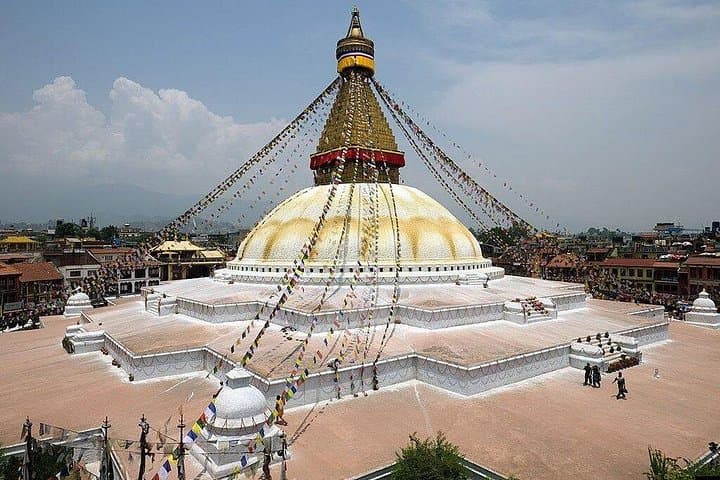
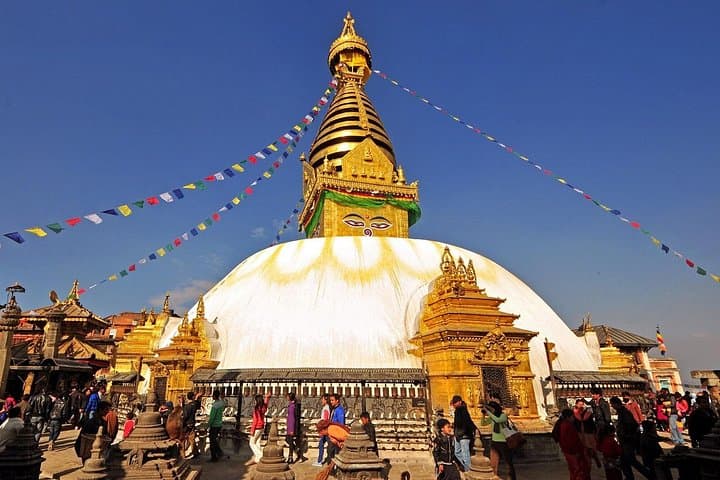

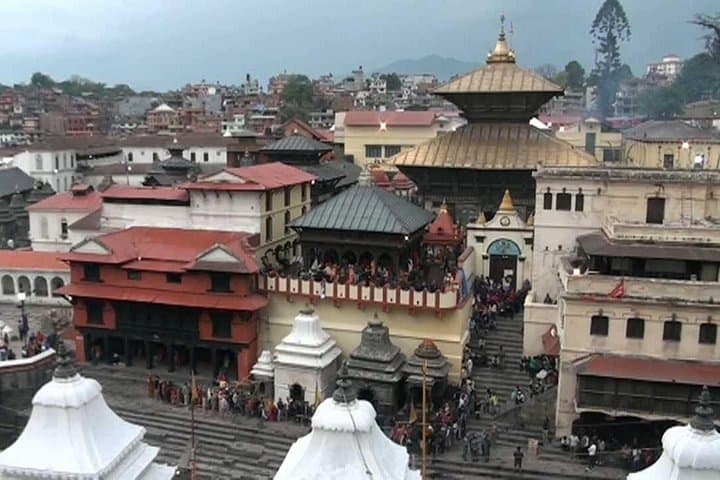
The bus eases through a lane of crumbling brick and fluttering prayer flags, the city unfolding in layers: low red-tiled roofs, a river that keeps time with ritual smoke, and a skyline punctuated by stupas and temple spires. In a single day you move from the riverside sanctity of Pashupatinath to the hilltop gaze of Swayambhunath and the crowded courtyards of Kathmandu Durbar Square—each place asking for slow, attentive footsteps.
The bus eases through a lane of crumbling brick and fluttering prayer flags, the city unfolding in layers: low red-tiled roofs, a river that keeps time with ritual smoke, and a skyline punctuated by stupas and temple spires. In a single day you move from the riverside sanctity of Pashupatinath to the hilltop gaze of Swayambhunath and the crowded courtyards of Kathmandu Durbar Square—each place asking for slow, attentive footsteps.
Kathmandu Valley holds a concentrated history: Newar craftsmen shaped pagoda temples and fine woodcarving here for centuries, while both Hindu and Buddhist traditions have coexisted and influenced urban form. Geologically the valley is a bowl within the Lesser Himalaya at roughly 1,300–1,400 m elevation—its soil and brick architecture tell a story of local materials and seismic rebuilding since the 2015 earthquake.
Culturally, the tour is a primer in ritual and reverence: watch cremation rites along the Bagmati, circumambulate stupas under fluttering prayer flags, and pause for the Kumari, the living goddess, in Durbar Square. Local guides explain symbolism and appropriate behavior—necessary context for meaningful visits.
Practical guidance: the itinerary is eight hours and mostly on paved streets and steep temple stairs—bring sturdy shoes, sun protection, and a small daypack. Respect dress codes at sacred sites (shoulders and knees covered) and carry small bills for donations and entrance fees. Expect busy plazas and occasional reconstruction work; timing your visit for early morning light reduces crowds and heat.
This day tour is urban, rich with living history and accessible routes, ideal for travelers who want a concentrated cultural overview with minimal hiking but maximum sensory detail.