THE ADVENTURE COLLECTIVE® · Independent discovery and booking for outdoor travel

Spend a focused day in Tarangire National Park watching massive elephant herds, baobab-scattered plains and concentrated dry-season game at the river. This practical guide explains what to expect, when to go and what to bring for a one-day safari from Arusha.
Spend a focused day in Tarangire National Park watching massive elephant herds, baobab-scattered plains and concentrated dry-season game at the river. This practical guide explains what to expect, when to go and what to bring for a one-day safari from Arusha.
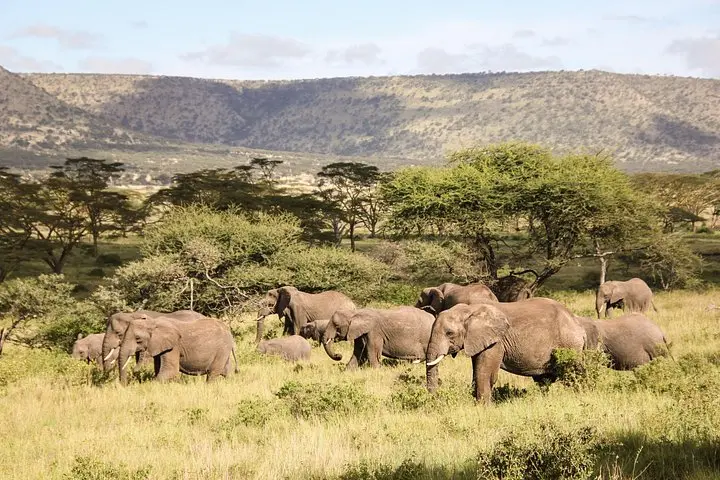
The Jeep eases through cracked red earth and sun-bleached acacia trunks as a procession of elephants moves like a living tide along Tarangire River. Dust lifts and settles; birds wheel above baobab crowns while the guide scans the plains — this is dry-country wildlife at its most exposed and direct.
Verified experiences and guided adventures in the surrounding area.
Operated by BEST Kilimanjaro CLIMB | HIKE | BIKE TREK | Tanzania Safaris from Moshi & Arusha · Arusha, Manyara Region
The Jeep eases through cracked red earth and sun-bleached acacia trunks as a procession of elephants moves like a living tide along Tarangire River. Dust lifts and settles; birds wheel above baobab crowns while the guide scans the plains — this is dry-country wildlife at its most exposed and direct.
Tarangire National Park sits on the southern edge of the East African Rift, with alkaline pans, seasonal river channels and an ancient volcanic backdrop that shaped the park’s drainage. Established in the 1970s to protect migratory corridors, the area is tied to Maasai grazing lands and still shows the imprint of pastoral culture at its fringes. Geology here makes sightings reliable: water concentrates animals into predictable riverine corridors, and the sparse woodland gives line-of-sight across long grass.
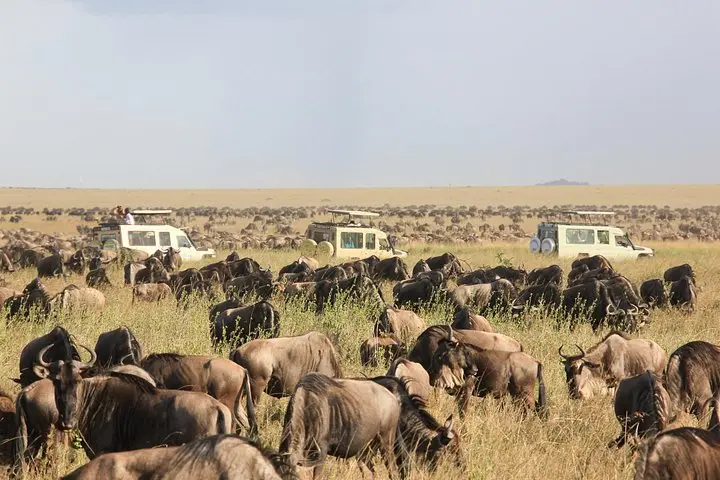
On a one-day safari from Arusha expect long but comfortable drives (about 130 km one way), extended game drives from mid-morning through late afternoon, a picnic lunch at a shaded site, and close-up viewing of elephant herds, giraffe, zebra, wildebeest and dry-country antelope like gerenuk.
Practical guidance: rise early for the best light and cooler temperatures, bring sun protection and a small pair of binoculars, and plan for dusty conditions in the vehicle. Park fees, bottled water and a 4x4 safari vehicle are normally included on shared tours; tipping and room for gear in the jeep are worth accounting for. Timing a visit during the dry season increases concentration of wildlife at remaining water sources, but the green season rewards you with newborns and fewer vehicles. A day here is a concentrated encounter with East Africa’s larger-than-life animals and open, sunlit landscapes.
The park is about 130 km from Arusha; expect roughly a 2–3 hour drive each way depending on road and traffic conditions.
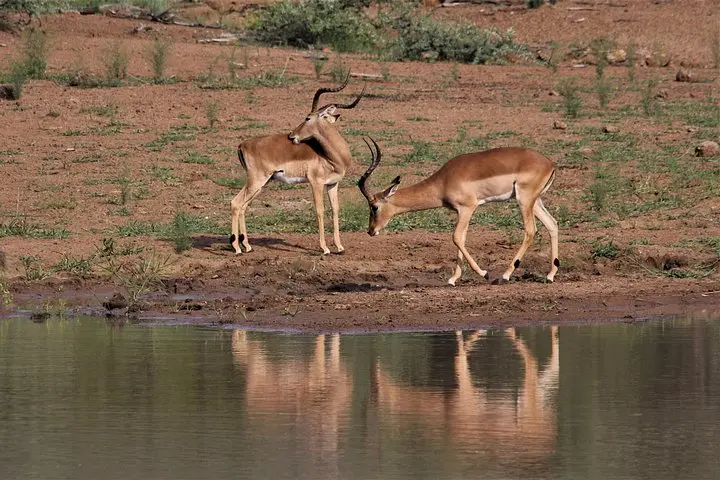
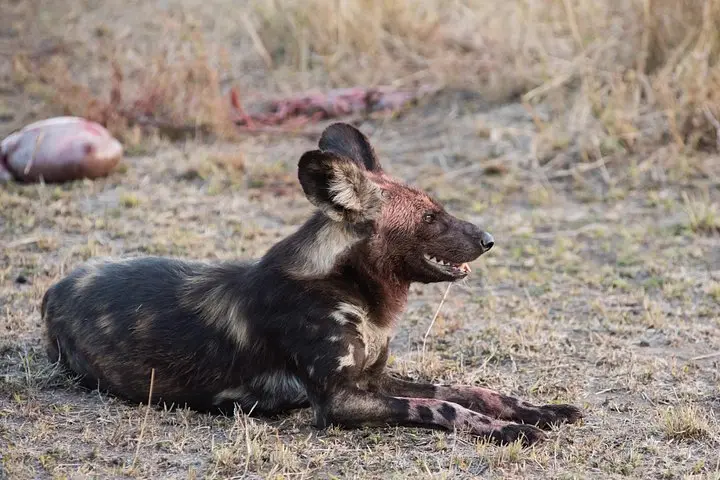
Common sightings include large elephant herds, giraffe, zebra, wildebeest, buffalo and a variety of antelope; predators are present but sightings are less predictable.
Most shared day tours include park entrance fees and bottled drinking water—confirm with the operator before booking.
Yes—day safaris are generally suitable for a wide age range, though long vehicle time and uneven terrain when entering/exiting the jeep should be considered.
BEST Kilimanjaro CLIMB | HIKE | BIKE TREK | Tanzania Safaris from Moshi & Arusha operates guided outdoor trips and adventures with an emphasis on safety, stewardship, and memorable experiences.
The Jeep eases through cracked red earth and sun-bleached acacia trunks as a procession of elephants moves like a living tide along Tarangire River. Dust lifts and settles; birds wheel above baobab crowns while the guide scans the plains — this is dry-country wildlife at its most exposed and direct.
The Jeep eases through cracked red earth and sun-bleached acacia trunks as a procession of elephants moves like a living tide along Tarangire River. Dust lifts and settles; birds wheel above baobab crowns while the guide scans the plains — this is dry-country wildlife at its most exposed and direct.
Tarangire National Park sits on the southern edge of the East African Rift, with alkaline pans, seasonal river channels and an ancient volcanic backdrop that shaped the park’s drainage. Established in the 1970s to protect migratory corridors, the area is tied to Maasai grazing lands and still shows the imprint of pastoral culture at its fringes. Geology here makes sightings reliable: water concentrates animals into predictable riverine corridors, and the sparse woodland gives line-of-sight across long grass.
On a one-day safari from Arusha expect long but comfortable drives (about 130 km one way), extended game drives from mid-morning through late afternoon, a picnic lunch at a shaded site, and close-up viewing of elephant herds, giraffe, zebra, wildebeest and dry-country antelope like gerenuk.
Practical guidance: rise early for the best light and cooler temperatures, bring sun protection and a small pair of binoculars, and plan for dusty conditions in the vehicle. Park fees, bottled water and a 4x4 safari vehicle are normally included on shared tours; tipping and room for gear in the jeep are worth accounting for. Timing a visit during the dry season increases concentration of wildlife at remaining water sources, but the green season rewards you with newborns and fewer vehicles. A day here is a concentrated encounter with East Africa’s larger-than-life animals and open, sunlit landscapes.