THE ADVENTURE COLLECTIVE® · Independent discovery and booking for outdoor travel

Slow your breath beside Sedona’s Amitabha Stupa and feel the red rocks underfoot. This one-hour guided earthing walk pairs short, mindful movement with science-backed grounding practices—perfect for city-worn travelers seeking a calm reset.
Slow your breath beside Sedona’s Amitabha Stupa and feel the red rocks underfoot. This one-hour guided earthing walk pairs short, mindful movement with science-backed grounding practices—perfect for city-worn travelers seeking a calm reset.
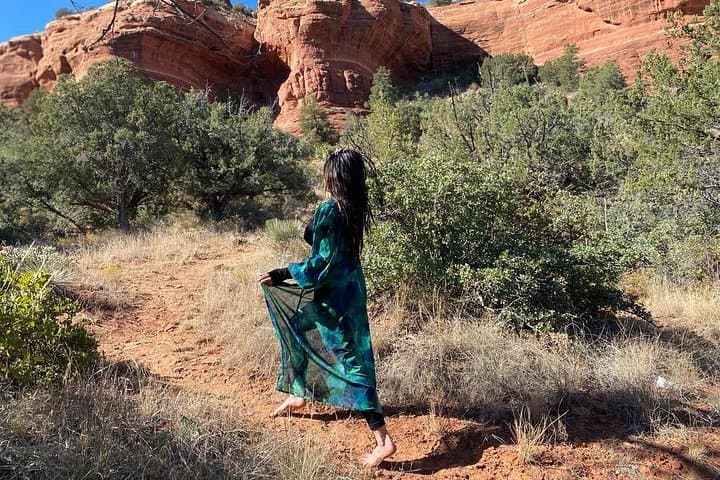
You arrive to a low morning sun painting the red rocks a bruised orange, the road quiet except for a distant hum. The parking lot at Stupa Peace Park is small and calm; a guide waits with a sign and a stack of blankets. The group moves off on an easy, ten-minute path that threads between juniper and sandstone outcrops until the city falls away and the stump of the Amitabha Stupa stands like an invitation.
Verified experiences and guided adventures in the surrounding area.
Operated by Sedona Kundalini Yoga · Sedona, Arizona
You arrive to a low morning sun painting the red rocks a bruised orange, the road quiet except for a distant hum. The parking lot at Stupa Peace Park is small and calm; a guide waits with a sign and a stack of blankets. The group moves off on an easy, ten-minute path that threads between juniper and sandstone outcrops until the city falls away and the stump of the Amitabha Stupa stands like an invitation.
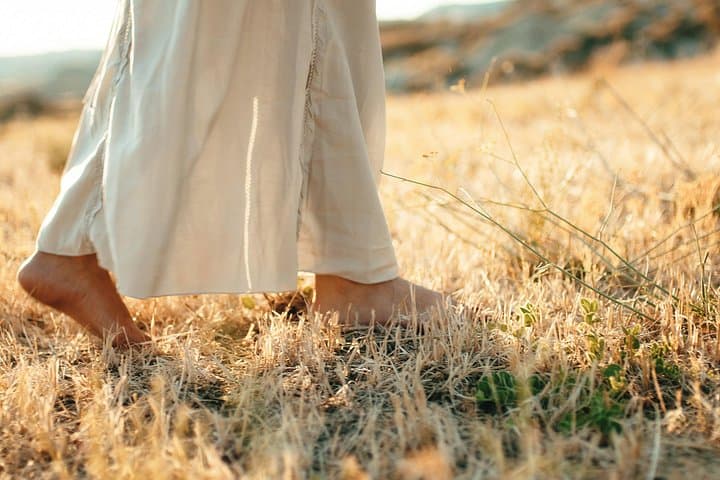
The hour is simple by design: a short walk, a place to sit, then barefoot contact with the soil. The guides pair practical cues — how to lower your breath and soften your knees — with an explanation of grounding science: proponents link skin contact with earth to lowered stress markers and improved sleep. But in Sedona the practice arrives wrapped in geological and cultural context. The red sandstone here is part of the Permian-age Schnebly Hill Formation; its iron-rich grains oxidize under the sky, holding warmth and a slow, ancient patience. The land you touch carries layers of human meaning too — these slopes and washes sit on ancestral Yavapai-Apache territory and near sites that have long been places for reflection and ceremony.
Earthing here feels elemental. The rock radiates afternoon heat; a breeze off the canyon cools your ankles. Guides invite you to notice small things: a pocket of cryptobiotic crust that breaks like dried paint under your feet, a red-tailed hawk cruising thermals, the soft rattle of lizards. The experience is short, focused, and intentionally low-impact: leave no trace, stay on established paths, and keep conversations quiet so the open space can do its work.
Practicalities are as straightforward as the program. Meet at 2650 Pueblo Drive — parking is free and included. The walk is flat and family-friendly; footwear is optional when you reach the earthing spot, but sturdy shoes are recommended for approach. Bring water, a sun hat, and layers: desert mornings can be cool and midday hot. The operator supplies blankets for sitting; groups are small (max eight), and tours run year-round but will cancel for severe weather. If you have mobility constraints, ask ahead: the path is easy but not fully paved.
For travelers who want to extend the quiet, the nearby Chapel of the Holy Cross and less-trafficked West Sedona vistas are minutes away. Whether you come for science, solace, or a reset from city intensity, this one-hour session is a concentrated way to stand with the land, feel its temper, and practice a calm that travels with you when you drive back into town.
No—guides invite barefoot contact only at the designated earthing spot; you can keep shoes on during the approach and put them back on afterward.
Yes; the walk is short and flat, and the practice can be modified for all ages, though caregivers should judge barefoot time for children.
Yes—parking at Stupa Peace Park (2650 Pueblo Dr) is included and free for participants.
Tours may be canceled for severe weather; check confirmation and the provider’s 24-hour cancellation policy to receive a refund if canceled.
Policies vary—service animals are generally permitted, but check with the operator beforehand as group comfort and wildlife protection are priorities.
The path is an easy dirt trail but not fully paved; contact the operator ahead to discuss accessibility and potential accommodations.
Sedona Kundalini Yoga operates guided outdoor trips and adventures with an emphasis on safety, stewardship, and memorable experiences.

You arrive to a low morning sun painting the red rocks a bruised orange, the road quiet except for a distant hum. The parking lot at Stupa Peace Park is small and calm; a guide waits with a sign and a stack of blankets. The group moves off on an easy, ten-minute path that threads between juniper and sandstone outcrops until the city falls away and the stump of the Amitabha Stupa stands like an invitation.
You arrive to a low morning sun painting the red rocks a bruised orange, the road quiet except for a distant hum. The parking lot at Stupa Peace Park is small and calm; a guide waits with a sign and a stack of blankets. The group moves off on an easy, ten-minute path that threads between juniper and sandstone outcrops until the city falls away and the stump of the Amitabha Stupa stands like an invitation.
The hour is simple by design: a short walk, a place to sit, then barefoot contact with the soil. The guides pair practical cues — how to lower your breath and soften your knees — with an explanation of grounding science: proponents link skin contact with earth to lowered stress markers and improved sleep. But in Sedona the practice arrives wrapped in geological and cultural context. The red sandstone here is part of the Permian-age Schnebly Hill Formation; its iron-rich grains oxidize under the sky, holding warmth and a slow, ancient patience. The land you touch carries layers of human meaning too — these slopes and washes sit on ancestral Yavapai-Apache territory and near sites that have long been places for reflection and ceremony.
Earthing here feels elemental. The rock radiates afternoon heat; a breeze off the canyon cools your ankles. Guides invite you to notice small things: a pocket of cryptobiotic crust that breaks like dried paint under your feet, a red-tailed hawk cruising thermals, the soft rattle of lizards. The experience is short, focused, and intentionally low-impact: leave no trace, stay on established paths, and keep conversations quiet so the open space can do its work.
Practicalities are as straightforward as the program. Meet at 2650 Pueblo Drive — parking is free and included. The walk is flat and family-friendly; footwear is optional when you reach the earthing spot, but sturdy shoes are recommended for approach. Bring water, a sun hat, and layers: desert mornings can be cool and midday hot. The operator supplies blankets for sitting; groups are small (max eight), and tours run year-round but will cancel for severe weather. If you have mobility constraints, ask ahead: the path is easy but not fully paved.
For travelers who want to extend the quiet, the nearby Chapel of the Holy Cross and less-trafficked West Sedona vistas are minutes away. Whether you come for science, solace, or a reset from city intensity, this one-hour session is a concentrated way to stand with the land, feel its temper, and practice a calm that travels with you when you drive back into town.