THE ADVENTURE COLLECTIVE® · Independent discovery and booking for outdoor travel

Learn foundational flamenco moves in a focused 60-minute master class in Granada. Perfect for beginners and curious travelers who want hands-on rhythm, footwork and palmas near the Alhambra.
Learn foundational flamenco moves in a focused 60-minute master class in Granada. Perfect for beginners and curious travelers who want hands-on rhythm, footwork and palmas near the Alhambra.
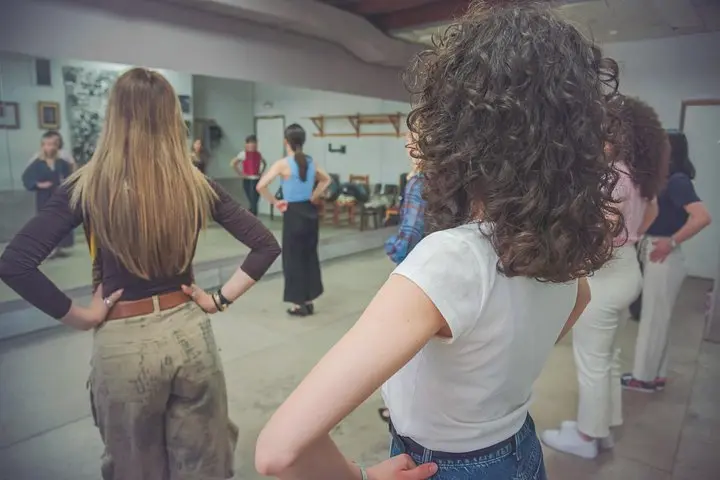
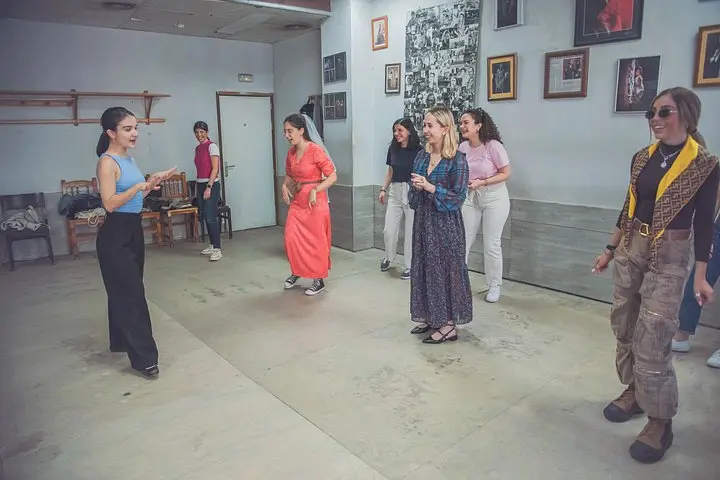
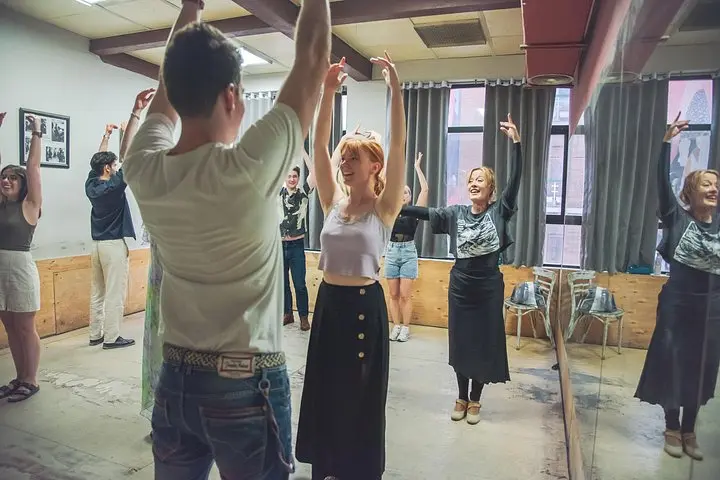
You step off a narrow Granada street and into a cool studio where the wooden floor already hums from old rhythms. The city’s light filters through tall windows; outside, the Alhambra watches from the ridge while the bustle of plazas and tapas bars slips away. In that hour the room becomes a small theater of pulse and footfall.
Verified experiences and guided adventures in the surrounding area.
Operated by MADride Travel · Granada, Andalusia
You step off a narrow Granada street and into a cool studio where the wooden floor already hums from old rhythms. The city’s light filters through tall windows; outside, the Alhambra watches from the ridge while the bustle of plazas and tapas bars slips away. In that hour the room becomes a small theater of pulse and footfall.
Flamenco grew here in Andalusia from a mix of Romani, Arabic, Jewish and local Andalusian traditions—an art shaped by centuries of cultural exchange and the province’s rugged geography. The dance’s percussive footwork echoes the clipped stones of old streets; palmas (hand-clapping) follows patterns that have been taught in family circles and tablaos for generations.
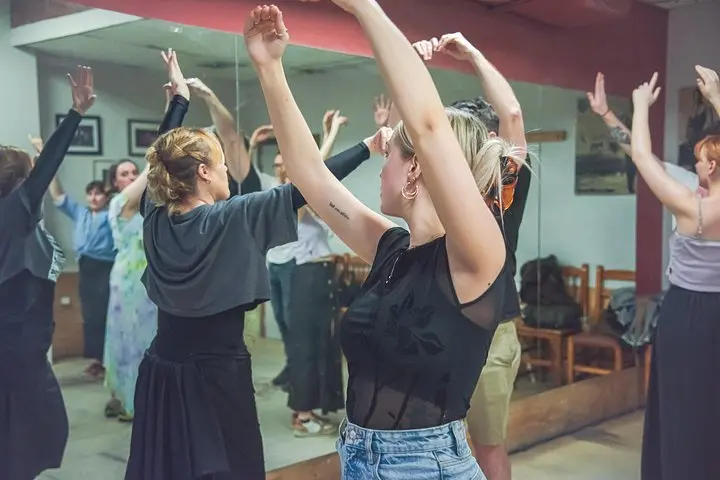
Expect clear instruction: basic compás (rhythmic cycles), brazo (arm) placements, a simple footwork sequence and coordinated palmas. Classes are often private or small group, led by professional teachers who will correct posture and timing. Language is usually Spanish with English support in tourist areas.
Practical guidance: arrive warmed up or plan five minutes to loosen hips and ankles; closed, flat shoes with a slight heel or flamenco shoes work best; bring water. The class is suitable for all levels and makes a compact cultural primer before dinner or a flamenco show.
Afterward, stroll toward the Albaicín or a nearby tablao to hear live guitar and singing—what you learned will give you a sharper ear for the call-and-response rhythms that make Granada’s flamenco so immediate and alive.
No—this one-hour class is designed for beginners and more experienced dancers who want a focused review.
In Granada classes are usually taught in Spanish with English explanations available in tourist-focused studios; confirm when booking.
Most sessions meet at a central dance studio in Granada’s historic district near the Alhambra or Albaicín; booking confirmation will include exact address and directions.
Cancel at least 24 hours before the scheduled time for a full refund, per the standard policy; check your booking for specifics.
MADride Travel operates guided outdoor trips and adventures with an emphasis on safety, stewardship, and memorable experiences.
You step off a narrow Granada street and into a cool studio where the wooden floor already hums from old rhythms. The city’s light filters through tall windows; outside, the Alhambra watches from the ridge while the bustle of plazas and tapas bars slips away. In that hour the room becomes a small theater of pulse and footfall.
You step off a narrow Granada street and into a cool studio where the wooden floor already hums from old rhythms. The city’s light filters through tall windows; outside, the Alhambra watches from the ridge while the bustle of plazas and tapas bars slips away. In that hour the room becomes a small theater of pulse and footfall.
Flamenco grew here in Andalusia from a mix of Romani, Arabic, Jewish and local Andalusian traditions—an art shaped by centuries of cultural exchange and the province’s rugged geography. The dance’s percussive footwork echoes the clipped stones of old streets; palmas (hand-clapping) follows patterns that have been taught in family circles and tablaos for generations.
Expect clear instruction: basic compás (rhythmic cycles), brazo (arm) placements, a simple footwork sequence and coordinated palmas. Classes are often private or small group, led by professional teachers who will correct posture and timing. Language is usually Spanish with English support in tourist areas.
Practical guidance: arrive warmed up or plan five minutes to loosen hips and ankles; closed, flat shoes with a slight heel or flamenco shoes work best; bring water. The class is suitable for all levels and makes a compact cultural primer before dinner or a flamenco show.
Afterward, stroll toward the Albaicín or a nearby tablao to hear live guitar and singing—what you learned will give you a sharper ear for the call-and-response rhythms that make Granada’s flamenco so immediate and alive.