THE ADVENTURE COLLECTIVE® · Independent discovery and booking for outdoor travel

Mount a horse outside Page and ride Navajo Nation mesas to a dramatic Horseshoe Bend viewpoint. This one-hour guided tour blends simple trail riding with cultural insights from Navajo wranglers.
Mount a horse outside Page and ride Navajo Nation mesas to a dramatic Horseshoe Bend viewpoint. This one-hour guided tour blends simple trail riding with cultural insights from Navajo wranglers.
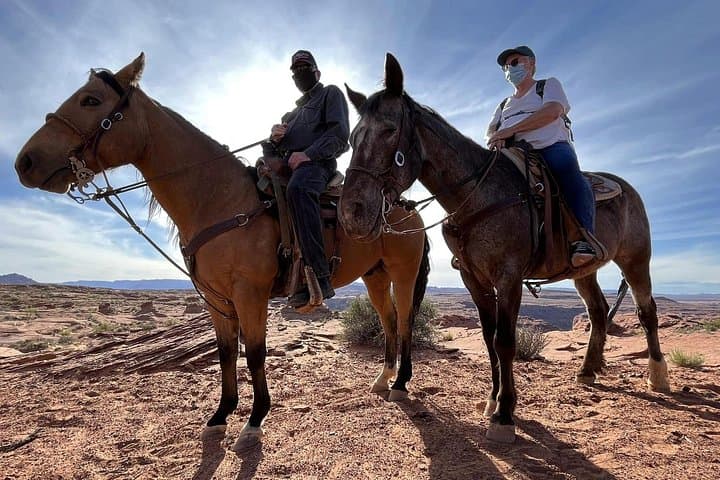
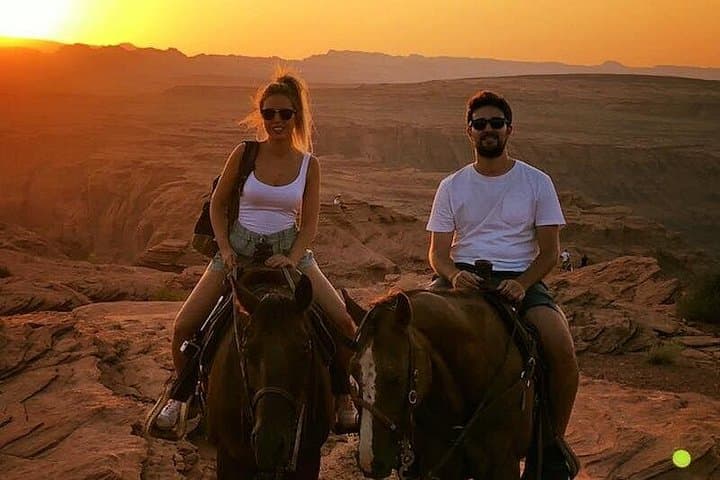
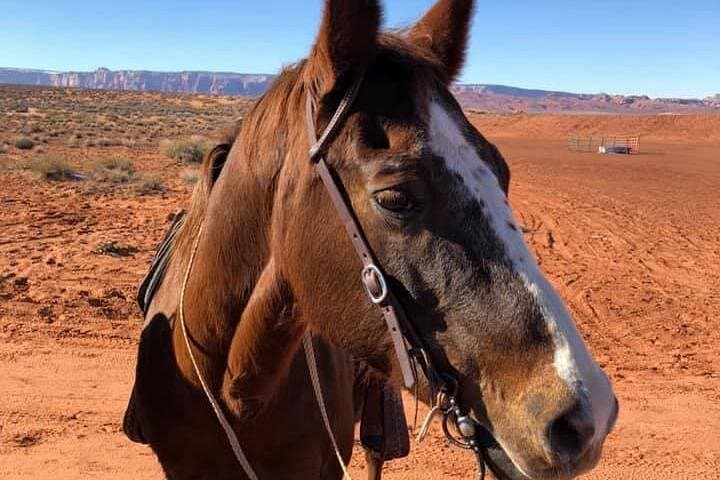
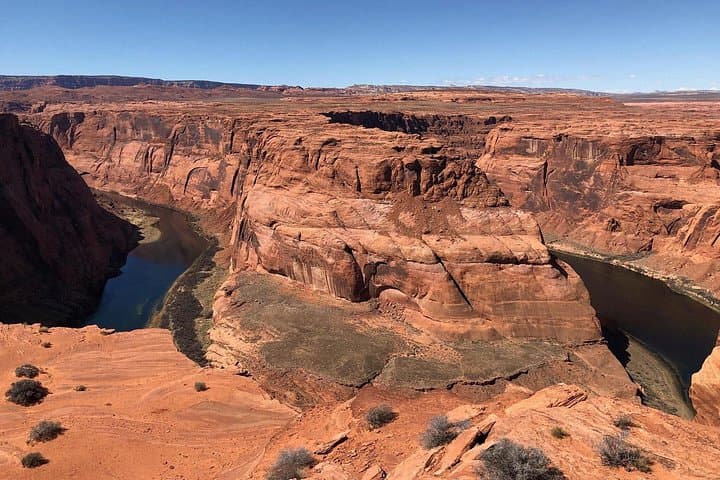
You swing a leg over a quiet horse and the red rock landscape exhales around you—wind skimming sandstone ledges, sun warming the animal’s neck, the Colorado River daring you from the rim below. The trail is not a race but a conversation: the wrangler’s low voice, the steady clop of hooves, cliffs that have watched seasons of riders long before roads and visitors. In an hour you’ll move from the parking flat to a dramatic viewpoint near Horseshoe Bend on Navajo Nation land, where the river’s elbow has cut a green-blue comma into rust-colored stone.
Verified experiences and guided adventures in the surrounding area.
Operated by TakeYourTrip · Page, Arizona
You swing a leg over a quiet horse and the red rock landscape exhales around you—wind skimming sandstone ledges, sun warming the animal’s neck, the Colorado River daring you from the rim below. The trail is not a race but a conversation: the wrangler’s low voice, the steady clop of hooves, cliffs that have watched seasons of riders long before roads and visitors. In an hour you’ll move from the parking flat to a dramatic viewpoint near Horseshoe Bend on Navajo Nation land, where the river’s elbow has cut a green-blue comma into rust-colored stone.
This stretch of land sits on Navajo (Diné) sovereign territory, where language, horses, and traditional livelihoods remain central. Families like that of Manson Yazzie—an early 20th-century grazier who kept stock around Waterhole Canyon and Loom Rock—still maintain livestock and cultural practices in the area. Geologically, you’re crossing Navajo sandstone and ancient river terraces: wind-swept cross-beds and sheer walls scored by flash floods, the same forces that have carved slot canyons and polished overlooks nearby.
The ride is led by Navajo wranglers who pair practical trail skills with cultural context. Expect simple, honest storytelling about the land’s stewardship—how grazing, water, and ritual coexist—and tips on reading horse body language and adapting your pace to the terrain. Horses follow faint game tracks and old stock routes rather than marked hiking trails; the route is mostly sandy mesa and compacted dirt with occasional rock steps and shallow slopes.
Practical: the tour runs 60 minutes and departs from a tour office just outside Page (arrive 15 minutes early). No advanced riding skills are required—basic balance and the ability to sit comfortably for an hour suffice—but the operator does note restrictions for pregnant riders and people with serious spinal or cardiac conditions. Wear closed-toe shoes, sun protection, and a lightweight long sleeve or wind layer for the mesa breeze. Bring water and a small camera; phones are fine but secure them—horses move.
Respect matters here: Navajo Nation charges a park fee included in your booking, and wrangler guidance will include where not to dismount. Leave no trace, avoid touching cultural sites, and tip your wrangler directly for local support. In an hour you won’t master the landscape, but you will arrive at an amplified vantage on the river’s curve—a clear reminder that travel here is a short-lived crossing into a living cultural landscape that asks for attention and care.
The experience is a one-hour guided horseback ride from the tour office to viewpoints near Horseshoe Bend.
Meet at the operator’s tour office near Page—GPS coordinates 36.868461, -111.504272—and arrive 15 minutes early.
The operator notes suitability for most fitness levels but advises against participation for pregnant travelers and those with serious spinal or cardiac issues; check with the company for specific weight limits.
Yes—Navajo Nation Parks & Recreation fees and applicable sales tax are included in the booking information.
Yes—no advanced riding skills are required; basic balance and the ability to follow wrangler instructions are sufficient.
All sales are final; the tour may be canceled for bad weather but generally does not offer refunds for cancellations by guests.
TakeYourTrip operates guided outdoor trips and adventures with an emphasis on safety, stewardship, and memorable experiences.
You swing a leg over a quiet horse and the red rock landscape exhales around you—wind skimming sandstone ledges, sun warming the animal’s neck, the Colorado River daring you from the rim below. The trail is not a race but a conversation: the wrangler’s low voice, the steady clop of hooves, cliffs that have watched seasons of riders long before roads and visitors. In an hour you’ll move from the parking flat to a dramatic viewpoint near Horseshoe Bend on Navajo Nation land, where the river’s elbow has cut a green-blue comma into rust-colored stone.
You swing a leg over a quiet horse and the red rock landscape exhales around you—wind skimming sandstone ledges, sun warming the animal’s neck, the Colorado River daring you from the rim below. The trail is not a race but a conversation: the wrangler’s low voice, the steady clop of hooves, cliffs that have watched seasons of riders long before roads and visitors. In an hour you’ll move from the parking flat to a dramatic viewpoint near Horseshoe Bend on Navajo Nation land, where the river’s elbow has cut a green-blue comma into rust-colored stone.
This stretch of land sits on Navajo (Diné) sovereign territory, where language, horses, and traditional livelihoods remain central. Families like that of Manson Yazzie—an early 20th-century grazier who kept stock around Waterhole Canyon and Loom Rock—still maintain livestock and cultural practices in the area. Geologically, you’re crossing Navajo sandstone and ancient river terraces: wind-swept cross-beds and sheer walls scored by flash floods, the same forces that have carved slot canyons and polished overlooks nearby.
The ride is led by Navajo wranglers who pair practical trail skills with cultural context. Expect simple, honest storytelling about the land’s stewardship—how grazing, water, and ritual coexist—and tips on reading horse body language and adapting your pace to the terrain. Horses follow faint game tracks and old stock routes rather than marked hiking trails; the route is mostly sandy mesa and compacted dirt with occasional rock steps and shallow slopes.
Practical: the tour runs 60 minutes and departs from a tour office just outside Page (arrive 15 minutes early). No advanced riding skills are required—basic balance and the ability to sit comfortably for an hour suffice—but the operator does note restrictions for pregnant riders and people with serious spinal or cardiac conditions. Wear closed-toe shoes, sun protection, and a lightweight long sleeve or wind layer for the mesa breeze. Bring water and a small camera; phones are fine but secure them—horses move.
Respect matters here: Navajo Nation charges a park fee included in your booking, and wrangler guidance will include where not to dismount. Leave no trace, avoid touching cultural sites, and tip your wrangler directly for local support. In an hour you won’t master the landscape, but you will arrive at an amplified vantage on the river’s curve—a clear reminder that travel here is a short-lived crossing into a living cultural landscape that asks for attention and care.