THE ADVENTURE COLLECTIVE® · Independent discovery and booking for outdoor travel

Glide through papyrus channels, sleep under stars on a remote island and explore the Okavango Delta by mokoro and on foot. This one‑night loop balances quiet water travel with guided bush walks and basic campsite comforts.
Glide through papyrus channels, sleep under stars on a remote island and explore the Okavango Delta by mokoro and on foot. This one‑night loop balances quiet water travel with guided bush walks and basic campsite comforts.
You push off from the reed-lined bank and the mokoro glides forward, the poler tapping the sandy bottom with an even rhythm while papyrus and waterlilies part like a slow-moving curtain.
Verified experiences and guided adventures in the surrounding area.
Operated by RENNS EXCURSIONS · Maun, North-West District
You push off from the reed-lined bank and the mokoro glides forward, the poler tapping the sandy bottom with an even rhythm while papyrus and waterlilies part like a slow-moving curtain.
This one-night camping trip drops you into the delta’s waterways and island bush, where channels cut through the Kalahari sands and the sky reads like a plain map of stars. The Okavango Delta is a seasonal inland floodplain fed from the Angolan highlands; its shifting channels and islands create habitat complexity that supports elephants, hippos and a striking array of birds. The mokoro itself is a cultural icon — once hollowed from tree trunks, today often fiberglass — piloted by guides who read animal sign and water levels as if they were a language.
On arrival you’ll pole to a small island campsite, watch the crew raise dome tents and learn local bushcraft from your guide: trail finds, spoor identification and why camp placement respects animal routes. History here is human and hydrological — traditional flood-timing, Tswana communities, and the delta’s UNESCO status shape conservation and visitor practice.
Practically: expect basic ablutions, bucket showers, and a chef-cooked meal under open sky. Walks on islands are on uneven, often game-trailed terrain; guides will brief you on safety around hippo and crocodile. Bring sun protection, layered clothing for cool mornings and stable footwear for wet and dry transitions. Plan to rise before dawn for a short walk or mokoro run back to the mokoro station — this is where the delta’s wildlife wakes up and the landscape moves with you.
Campsites are on small islands reachable only by mokoro; tents, bedrolls, linen, shared bush toilets and bucket/bush showers are provided along with a chef-prepared meal.
No—professional polers handle navigation and propulsion; guests sit and enjoy the ride, though you may be invited to steady the craft when boarding.
This trip notes restrictions for pregnant travelers and advises considering spinal/health issues; check with the operator about age policies before booking.
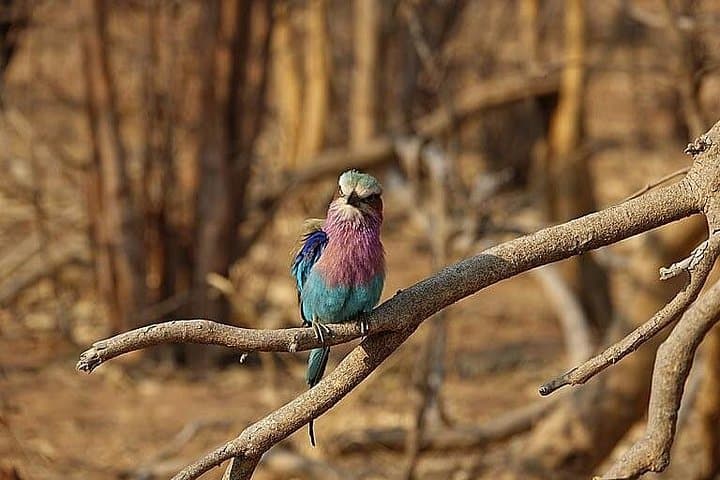
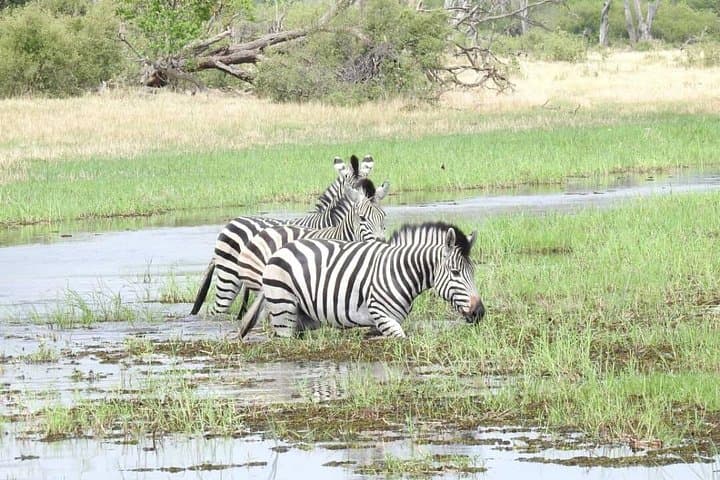
Common sightings include elephant, various antelope, hippo and many waterbirds; sightings vary with season and water levels.
RENNS EXCURSIONS operates guided outdoor trips and adventures with an emphasis on safety, stewardship, and memorable experiences.


You push off from the reed-lined bank and the mokoro glides forward, the poler tapping the sandy bottom with an even rhythm while papyrus and waterlilies part like a slow-moving curtain.
You push off from the reed-lined bank and the mokoro glides forward, the poler tapping the sandy bottom with an even rhythm while papyrus and waterlilies part like a slow-moving curtain.
This one-night camping trip drops you into the delta’s waterways and island bush, where channels cut through the Kalahari sands and the sky reads like a plain map of stars. The Okavango Delta is a seasonal inland floodplain fed from the Angolan highlands; its shifting channels and islands create habitat complexity that supports elephants, hippos and a striking array of birds. The mokoro itself is a cultural icon — once hollowed from tree trunks, today often fiberglass — piloted by guides who read animal sign and water levels as if they were a language.
On arrival you’ll pole to a small island campsite, watch the crew raise dome tents and learn local bushcraft from your guide: trail finds, spoor identification and why camp placement respects animal routes. History here is human and hydrological — traditional flood-timing, Tswana communities, and the delta’s UNESCO status shape conservation and visitor practice.
Practically: expect basic ablutions, bucket showers, and a chef-cooked meal under open sky. Walks on islands are on uneven, often game-trailed terrain; guides will brief you on safety around hippo and crocodile. Bring sun protection, layered clothing for cool mornings and stable footwear for wet and dry transitions. Plan to rise before dawn for a short walk or mokoro run back to the mokoro station — this is where the delta’s wildlife wakes up and the landscape moves with you.