THE ADVENTURE COLLECTIVE® · Independent discovery and booking for outdoor travel

Traverse nearly 4,000 km of Australia over ten active days—from the Flinders Ranges to Margaret River. Swim with sea lions, sandboard dunes, learn Aboriginal culture, and camp beneath desert stars.
Traverse nearly 4,000 km of Australia over ten active days—from the Flinders Ranges to Margaret River. Swim with sea lions, sandboard dunes, learn Aboriginal culture, and camp beneath desert stars.
The bus pulls away from Adelaide at dawn and the horizon stretches—red ranges, flat saltbush plain, an endless coastal edge. Over ten days you'll cross nearly 4,000 km of Australia: the sculpted ridges of the Flinders Ranges, the whale-washed sand of the Eyre Peninsula, the silent expanse of the Nullarbor, and the wild surf of Esperance and Margaret River. The landscape alternates between wind-scoured limestone cliffs and eucalypt bush that seems to lean into the road.
Verified experiences and guided adventures in the surrounding area.
The bus pulls away from Adelaide at dawn and the horizon stretches—red ranges, flat saltbush plain, an endless coastal edge. Over ten days you'll cross nearly 4,000 km of Australia: the sculpted ridges of the Flinders Ranges, the whale-washed sand of the Eyre Peninsula, the silent expanse of the Nullarbor, and the wild surf of Esperance and Margaret River. The landscape alternates between wind-scoured limestone cliffs and eucalypt bush that seems to lean into the road.
This route threads colonial pastoral history with millennia of Indigenous connection. Ancient rock formations in the Flinders tell a 600-million-year-old geological story; coastal bluffs reveal the grinding action of the Southern Ocean. Local communities prize Surf lifesaving club culture and small coastal fisheries; several stops offer guided introductions to Noongar and other Aboriginal practices and conservation work.
Expect active days: beach swims with wild sea lions and dolphins, surf lessons, sandboarding down large dunes, and a hands-on conservation activity that typically involves dune restoration or wildlife monitoring. Nights are under canvas and star fields that push back against light pollution, each sleep punctuated by campfire briefings.
Practical edge: pack layered clothing for big daytime swings, bring a reliable daypack and reef-capable footwear for shoreline access, and keep a waterproof shell for Atlantic-style gales. Hydrate through long drives and carry snacks for remote stretches across the Nullarbor. Respect cultural sites—follow guides’ instructions—and be prepared for basic camp amenities rather than boutique lodging. This is overland adventure travel: raw, mobile, and designed for travelers who want to move through country rather than just view it.
Mostly communal campsites with basic facilities; some nights may use simple wilderness camps with portable toilets and group tents.
No—surf lessons are included, but you should be a competent swimmer to participate in sea swims; guides will assess conditions.
Meals are typically included and prepared by the crew with local produce; bring snacks for remote travel days and note dietary requirements at booking.
Expect multiple driving blocks, some long stretches across the Nullarbor; the itinerary balances travel with short hikes, wildlife stops, and activity days.
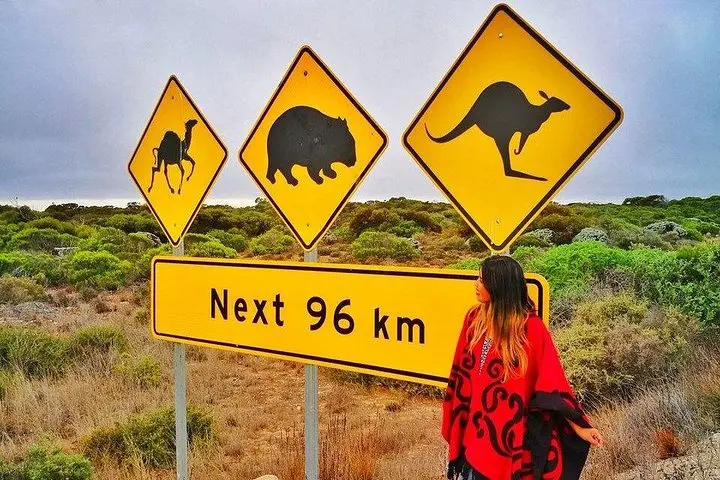
The bus pulls away from Adelaide at dawn and the horizon stretches—red ranges, flat saltbush plain, an endless coastal edge. Over ten days you'll cross nearly 4,000 km of Australia: the sculpted ridges of the Flinders Ranges, the whale-washed sand of the Eyre Peninsula, the silent expanse of the Nullarbor, and the wild surf of Esperance and Margaret River. The landscape alternates between wind-scoured limestone cliffs and eucalypt bush that seems to lean into the road.
The bus pulls away from Adelaide at dawn and the horizon stretches—red ranges, flat saltbush plain, an endless coastal edge. Over ten days you'll cross nearly 4,000 km of Australia: the sculpted ridges of the Flinders Ranges, the whale-washed sand of the Eyre Peninsula, the silent expanse of the Nullarbor, and the wild surf of Esperance and Margaret River. The landscape alternates between wind-scoured limestone cliffs and eucalypt bush that seems to lean into the road.
This route threads colonial pastoral history with millennia of Indigenous connection. Ancient rock formations in the Flinders tell a 600-million-year-old geological story; coastal bluffs reveal the grinding action of the Southern Ocean. Local communities prize Surf lifesaving club culture and small coastal fisheries; several stops offer guided introductions to Noongar and other Aboriginal practices and conservation work.
Expect active days: beach swims with wild sea lions and dolphins, surf lessons, sandboarding down large dunes, and a hands-on conservation activity that typically involves dune restoration or wildlife monitoring. Nights are under canvas and star fields that push back against light pollution, each sleep punctuated by campfire briefings.
Practical edge: pack layered clothing for big daytime swings, bring a reliable daypack and reef-capable footwear for shoreline access, and keep a waterproof shell for Atlantic-style gales. Hydrate through long drives and carry snacks for remote stretches across the Nullarbor. Respect cultural sites—follow guides’ instructions—and be prepared for basic camp amenities rather than boutique lodging. This is overland adventure travel: raw, mobile, and designed for travelers who want to move through country rather than just view it.