THE ADVENTURE COLLECTIVE® · Independent discovery and booking for outdoor travel

A 10-day, village-to-summit-style trek from Pokhara to Annapurna Base Camp that combines classic sunrise views from Poon Hill with high-alpine scenery at ABC. Expect long days, cultural villages, and required permits—ideal for experienced hikers who prioritize acclimatization and steady pacing.
A 10-day, village-to-summit-style trek from Pokhara to Annapurna Base Camp that combines classic sunrise views from Poon Hill with high-alpine scenery at ABC. Expect long days, cultural villages, and required permits—ideal for experienced hikers who prioritize acclimatization and steady pacing.
You step off the jeep near Nayapul with Pokhara already shrinking behind you, the Modi River daring you downstream while a rope of suspension bridges threads the valley ahead.
Verified experiences and guided adventures in the surrounding area.
Operated by Couch Adventure Nepal (CAN) · Pokhara, Gandaki Province
You step off the jeep near Nayapul with Pokhara already shrinking behind you, the Modi River daring you downstream while a rope of suspension bridges threads the valley ahead.
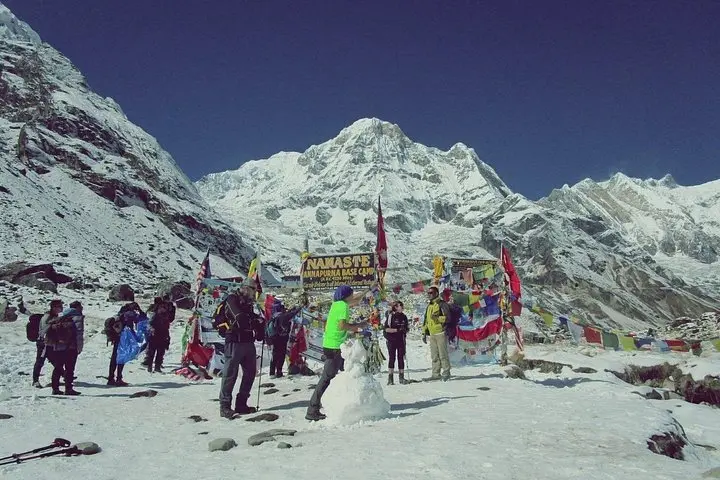
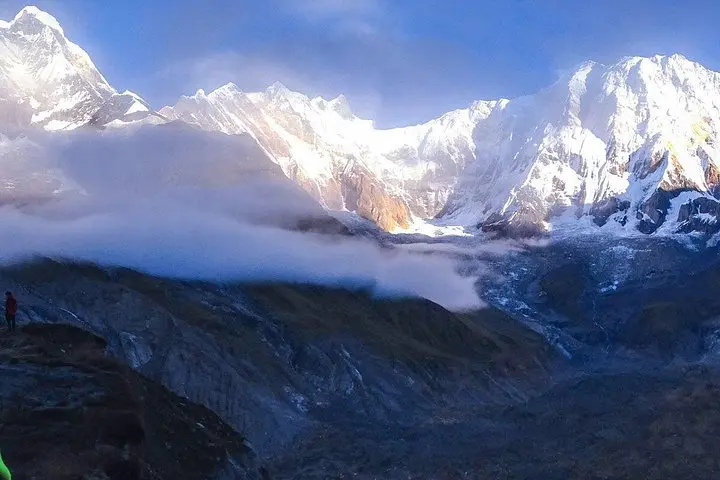
Over ten days the trail climbs from subtropical terraces through rhododendron forests and switchbacks of stone staircases to the high bowl of Annapurna Base Camp (4,130 m). Expect long days—typically 5–7 hours of walking—through villages like Ulleri and Ghorepani, where Gurung hospitality and yak-stacked guesthouses punctuate the ascent. Poon Hill (3,210 m) delivers an iconic sunrise over Annapurna and Dhaulagiri; later days carry you through alpine meadows and rocky moraines as the air sharpens and peaks loom.
Geology here is active: steep, fractured slopes shaped by monsoon erosion and glacial action at higher elevations. Culturally, the trail passes Gurung and Magar villages where traditional stone houses and prayer flags mark community life.
Practical guidance: allow at least one proper acclimatization day, carry water treatment and layers for cold nights, and budget extra time for weather delays. Terrain alternates packed dirt, steep stone steps and occasional scree above Deurali; good ankle-supporting boots and trekking poles are essential. Permits (TIMS and Annapurna Conservation Area permit) are required and guides are strongly recommended for navigation and altitude safety. The classic windows for clear skies are mid-September to November and March to May; monsoon months are wetter and trail conditions can be slippery.
This trek rewards steady pacing and respect for altitude: move deliberately, hydrate, and let the mountains reveal themselves on their schedule.
Yes—TIMS and an Annapurna Conservation Area Permit (ACAP) are required; your operator typically arranges them before departure.
It’s challenging due to sustained elevation gain and multiple long walking days; good fitness and some prior multi-day trekking experience are recommended.
Guides are not legally mandatory for independent trekkers but are strongly recommended for navigation, cultural access, and altitude safety—this tour includes a licensed English-speaking guide.
Peak windows are mid-September to November and March to May for stable weather and clear mountain views; monsoon season (June–August) is wetter and trail conditions become slippery.
Couch Adventure Nepal (CAN) operates guided outdoor trips and adventures with an emphasis on safety, stewardship, and memorable experiences.
You step off the jeep near Nayapul with Pokhara already shrinking behind you, the Modi River daring you downstream while a rope of suspension bridges threads the valley ahead.
You step off the jeep near Nayapul with Pokhara already shrinking behind you, the Modi River daring you downstream while a rope of suspension bridges threads the valley ahead.
Over ten days the trail climbs from subtropical terraces through rhododendron forests and switchbacks of stone staircases to the high bowl of Annapurna Base Camp (4,130 m). Expect long days—typically 5–7 hours of walking—through villages like Ulleri and Ghorepani, where Gurung hospitality and yak-stacked guesthouses punctuate the ascent. Poon Hill (3,210 m) delivers an iconic sunrise over Annapurna and Dhaulagiri; later days carry you through alpine meadows and rocky moraines as the air sharpens and peaks loom.
Geology here is active: steep, fractured slopes shaped by monsoon erosion and glacial action at higher elevations. Culturally, the trail passes Gurung and Magar villages where traditional stone houses and prayer flags mark community life.
Practical guidance: allow at least one proper acclimatization day, carry water treatment and layers for cold nights, and budget extra time for weather delays. Terrain alternates packed dirt, steep stone steps and occasional scree above Deurali; good ankle-supporting boots and trekking poles are essential. Permits (TIMS and Annapurna Conservation Area permit) are required and guides are strongly recommended for navigation and altitude safety. The classic windows for clear skies are mid-September to November and March to May; monsoon months are wetter and trail conditions can be slippery.
This trek rewards steady pacing and respect for altitude: move deliberately, hydrate, and let the mountains reveal themselves on their schedule.