THE ADVENTURE COLLECTIVE® · Independent discovery and booking for outdoor travel

Covering Angkor’s temple city, Battambang’s countryside, Phnom Penh’s history and Koh Rong’s beaches, this 10-day overland tour stitches Cambodia’s highlights into a single route. Expect long drives, varied terrain and an itinerary that balances cultural depth with downtime on the coast.
Covering Angkor’s temple city, Battambang’s countryside, Phnom Penh’s history and Koh Rong’s beaches, this 10-day overland tour stitches Cambodia’s highlights into a single route. Expect long drives, varied terrain and an itinerary that balances cultural depth with downtime on the coast.
Morning light slices through temple doorways at Angkor; stone faces watch as your group moves from mossed galleries to sunlit causeways. The air smells of rice fields and diesel on the drive out of Siem Reap, and by evening you’re listening for bats at Phnom Sampeau while the Gulf of Thailand pulls silver across the horizon on Koh Rong.
Verified experiences and guided adventures in the surrounding area.
Operated by Indochina Tour · Siem Reap, Siem Reap Province
Morning light slices through temple doorways at Angkor; stone faces watch as your group moves from mossed galleries to sunlit causeways. The air smells of rice fields and diesel on the drive out of Siem Reap, and by evening you’re listening for bats at Phnom Sampeau while the Gulf of Thailand pulls silver across the horizon on Koh Rong.
This overland route threads Cambodia’s major eras: Angkor’s 9th–15th century Khmer builders at Angkor Wat and Bayon, colonial and rural life in Battambang, the tragic imprint of the Khmer Rouge visible in Phnom Penh, and finally the marine sands and mangroves of Sihanoukville and Koh Rong. Geologically the plains are low-lying alluvium shaped by the Mekong and Tonle Sap’s seasonal pulse; culturally you’ll see living crafts like Kampong Chhnang pottery and floating villages that adapt to the lake’s rise.
Practical edge: the tour is vehicle-led with hotel stays each night, so stamina is about sustained travel days rather than steep climbs. Expect long drives (3–5 hours between stops), heat, and sudden rain in the wet season. Carry a travel-sized first aid kit, photocopies of your passport, and cash for small vendors and temple fees. Footwear should handle dusty roads and temple steps—closed-toe shoes with good grip are useful. Pace your photography at Angkor; the complex is vast and walking surfaces vary from compacted earth to ancient stone. For Koh Rong, plan for limited services and bring reef-safe sunscreen. Arrive with a flexible attitude—Cambodia’s rhythms are not strictly scheduled, and the reward is a country that reveals itself slowly, through temples, markets, and shorelines.
The itinerary notes admission included for key Angkor sites on scheduled days, but verify whether multi-day Angkor Passes are issued with your booking.
Days 8 and 9 are free on Koh Rong for beach time or optional activities; boat schedules can determine exact arrival and departure times.
Yes—overland transfer segments are listed as air-conditioned vehicle travel.
Hotels are 3–4 star properties on a twin-share basis as noted in the inclusions; expect basic Western amenities in most hotels.
Indochina Tour operates guided outdoor trips and adventures with an emphasis on safety, stewardship, and memorable experiences.
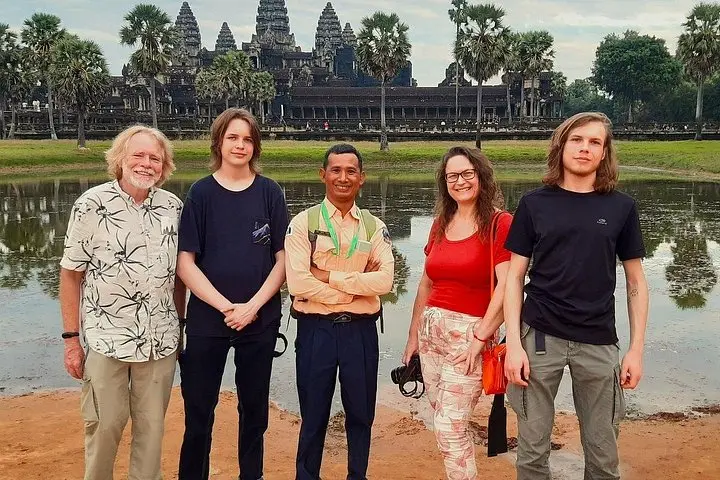
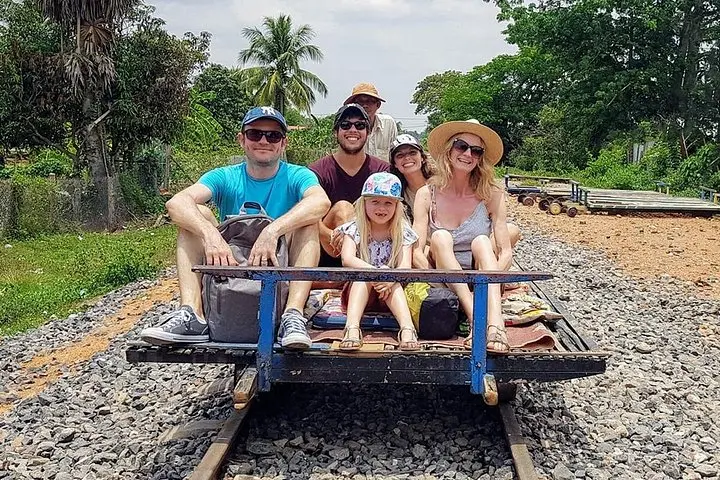
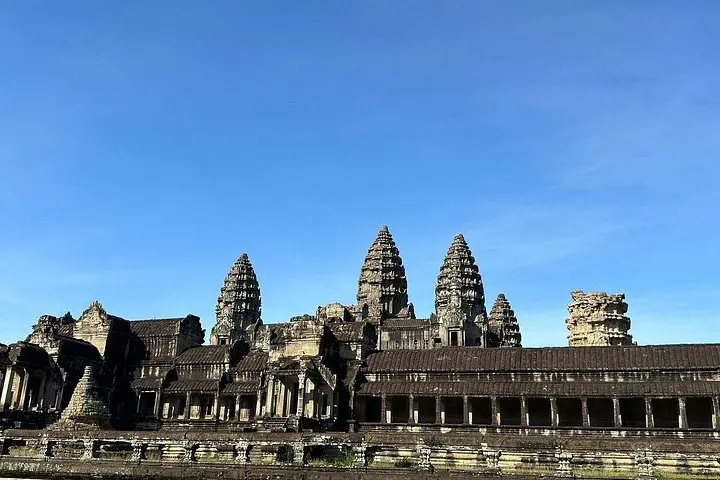
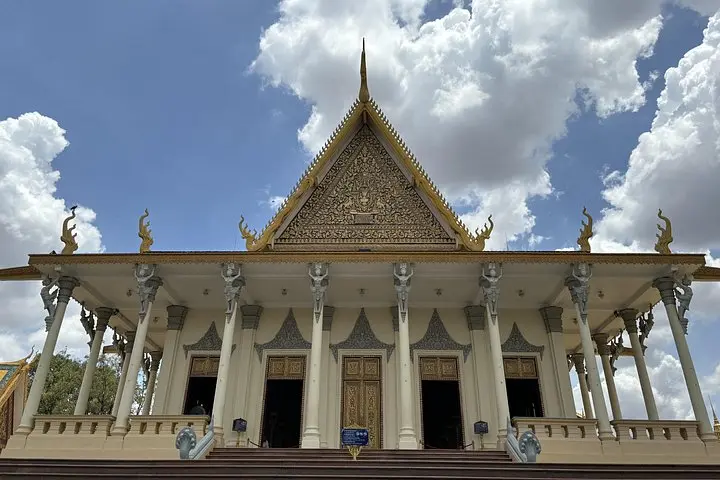
Morning light slices through temple doorways at Angkor; stone faces watch as your group moves from mossed galleries to sunlit causeways. The air smells of rice fields and diesel on the drive out of Siem Reap, and by evening you’re listening for bats at Phnom Sampeau while the Gulf of Thailand pulls silver across the horizon on Koh Rong.
Morning light slices through temple doorways at Angkor; stone faces watch as your group moves from mossed galleries to sunlit causeways. The air smells of rice fields and diesel on the drive out of Siem Reap, and by evening you’re listening for bats at Phnom Sampeau while the Gulf of Thailand pulls silver across the horizon on Koh Rong.
This overland route threads Cambodia’s major eras: Angkor’s 9th–15th century Khmer builders at Angkor Wat and Bayon, colonial and rural life in Battambang, the tragic imprint of the Khmer Rouge visible in Phnom Penh, and finally the marine sands and mangroves of Sihanoukville and Koh Rong. Geologically the plains are low-lying alluvium shaped by the Mekong and Tonle Sap’s seasonal pulse; culturally you’ll see living crafts like Kampong Chhnang pottery and floating villages that adapt to the lake’s rise.
Practical edge: the tour is vehicle-led with hotel stays each night, so stamina is about sustained travel days rather than steep climbs. Expect long drives (3–5 hours between stops), heat, and sudden rain in the wet season. Carry a travel-sized first aid kit, photocopies of your passport, and cash for small vendors and temple fees. Footwear should handle dusty roads and temple steps—closed-toe shoes with good grip are useful. Pace your photography at Angkor; the complex is vast and walking surfaces vary from compacted earth to ancient stone. For Koh Rong, plan for limited services and bring reef-safe sunscreen. Arrive with a flexible attitude—Cambodia’s rhythms are not strictly scheduled, and the reward is a country that reveals itself slowly, through temples, markets, and shorelines.