THE ADVENTURE COLLECTIVE® · Independent discovery and booking for outdoor travel

Covering Beijing’s imperial icons, Xi’an’s Terracotta Army, Chengdu’s pandas and Shanghai’s Bund, this 10-day private tour connects China’s history and modern pulse with efficient transport and neighborhood immersion. Expect morning starts, two high-speed trains and a mix of museums and street life.
Covering Beijing’s imperial icons, Xi’an’s Terracotta Army, Chengdu’s pandas and Shanghai’s Bund, this 10-day private tour connects China’s history and modern pulse with efficient transport and neighborhood immersion. Expect morning starts, two high-speed trains and a mix of museums and street life.
Morning light slips over the ramparts of the Forbidden City as the group steps from a Beijing hotel into a city where imperial orders still seem to linger in stone courtyards. Over ten days the tour stitches together monuments and neighborhoods — from the crenellated folds of the Great Wall at Mutianyu to the silent rows of the Terracotta Army, from pandas feeding at dawn to the neon sweep of Shanghai’s Bund at night.
Verified experiences and guided adventures in the surrounding area.
Operated by Travel China Guide · Beijing, Beijing
Morning light slips over the ramparts of the Forbidden City as the group steps from a Beijing hotel into a city where imperial orders still seem to linger in stone courtyards. Over ten days the tour stitches together monuments and neighborhoods — from the crenellated folds of the Great Wall at Mutianyu to the silent rows of the Terracotta Army, from pandas feeding at dawn to the neon sweep of Shanghai’s Bund at night.
This route traces millennia: imperial palaces of the Ming and Qing dynasties, Xi’an’s ancient city wall and the Qin dynasty warriors buried to guard an emperor’s afterlife, and Shanghai’s 19th–20th century international concessions. Geologically the landscape changes too — the loess-protected plains around Xi’an give way to Sichuan’s basin where bamboo-fed pandas evolved their specialized diet, then east to the Huangpu’s tidal flows shaping Shanghai’s waterfront trade.
Culturally the trip balances curated museum time with neighborhood immersion — Hutong alleys and Xi’an’s Muslim Quarter offer street-level contact with everyday China. Travelers should expect a steady pace: several museum admissions, two high-speed train rides, a domestic flight and moderate walking each day.
Practical guidance: carry a compact daypack, comfortable walking shoes and layered clothing for regional weather shifts; keep passport and digital copies accessible for ticketing; plan early-morning starts for best panda viewing and midday for walking tours in cities. The tour is private and largely inclusive of hotels, select lunches and intercity transport, but allow cash for snacks and small market purchases. This itinerary delivers a layered, efficiently paced overview of China’s history, wildlife and urban contrasts.
The itinerary includes admission to listed attractions and several a la carte lunches and breakfasts as noted; incidental meals and some local snacks are at your expense.
Most nationalities require a Chinese visa; check current entry requirements and ensure your passport is valid for at least six months.
Expect moderate walking each day — museum visits, historic sites and short urban walks; comfortable shoes are recommended.
This is a private tour with a guide and driver; specific requests can often be accommodated but require advance notice.
Travel China Guide operates guided outdoor trips and adventures with an emphasis on safety, stewardship, and memorable experiences.

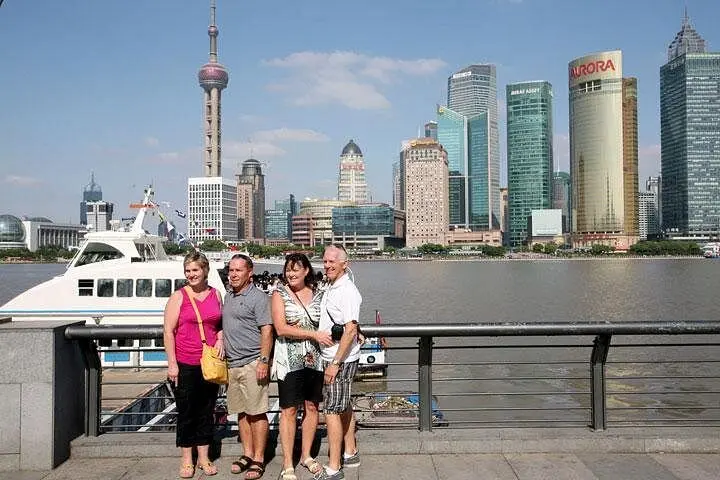
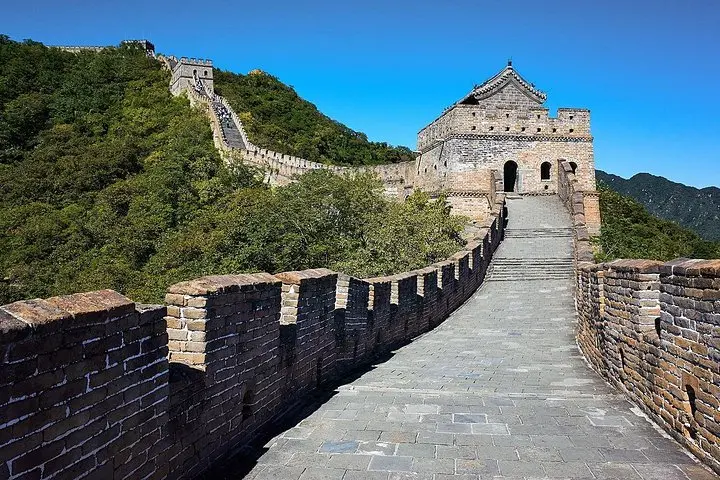
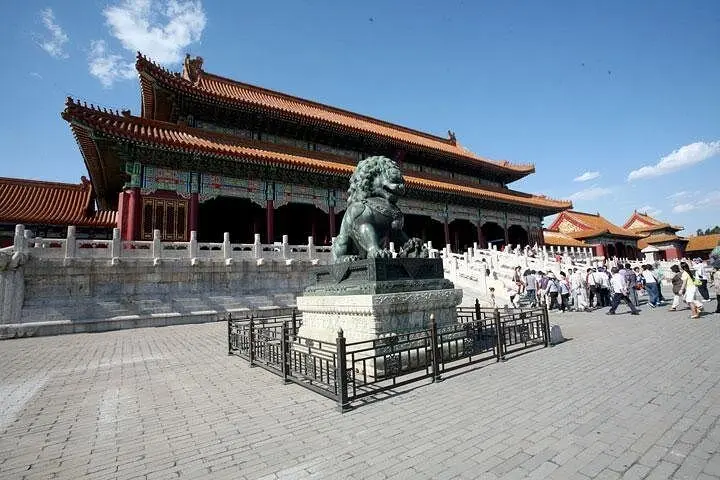
Morning light slips over the ramparts of the Forbidden City as the group steps from a Beijing hotel into a city where imperial orders still seem to linger in stone courtyards. Over ten days the tour stitches together monuments and neighborhoods — from the crenellated folds of the Great Wall at Mutianyu to the silent rows of the Terracotta Army, from pandas feeding at dawn to the neon sweep of Shanghai’s Bund at night.
Morning light slips over the ramparts of the Forbidden City as the group steps from a Beijing hotel into a city where imperial orders still seem to linger in stone courtyards. Over ten days the tour stitches together monuments and neighborhoods — from the crenellated folds of the Great Wall at Mutianyu to the silent rows of the Terracotta Army, from pandas feeding at dawn to the neon sweep of Shanghai’s Bund at night.
This route traces millennia: imperial palaces of the Ming and Qing dynasties, Xi’an’s ancient city wall and the Qin dynasty warriors buried to guard an emperor’s afterlife, and Shanghai’s 19th–20th century international concessions. Geologically the landscape changes too — the loess-protected plains around Xi’an give way to Sichuan’s basin where bamboo-fed pandas evolved their specialized diet, then east to the Huangpu’s tidal flows shaping Shanghai’s waterfront trade.
Culturally the trip balances curated museum time with neighborhood immersion — Hutong alleys and Xi’an’s Muslim Quarter offer street-level contact with everyday China. Travelers should expect a steady pace: several museum admissions, two high-speed train rides, a domestic flight and moderate walking each day.
Practical guidance: carry a compact daypack, comfortable walking shoes and layered clothing for regional weather shifts; keep passport and digital copies accessible for ticketing; plan early-morning starts for best panda viewing and midday for walking tours in cities. The tour is private and largely inclusive of hotels, select lunches and intercity transport, but allow cash for snacks and small market purchases. This itinerary delivers a layered, efficiently paced overview of China’s history, wildlife and urban contrasts.