THE ADVENTURE COLLECTIVE® · Independent discovery and booking for outdoor travel

A compact 10-day circuit through China’s signature sites: imperial Beijing, the Terracotta Warriors of Xi’an, Guilin’s karst-scapes by Li River, and Shanghai’s skyline. Expect cultural depth, varied terrain, and a well-paced mix of guided highlights and free time.
A compact 10-day circuit through China’s signature sites: imperial Beijing, the Terracotta Warriors of Xi’an, Guilin’s karst-scapes by Li River, and Shanghai’s skyline. Expect cultural depth, varied terrain, and a well-paced mix of guided highlights and free time.
You step off the train into early-morning Beijing and the city greets you with a mix of soot-streaked rooftops and the precise geometry of imperial gates. Over the next ten days you move from stone battlements and terracotta ranks to karst peaks mirrored in a slow river, finishing beneath Shanghai’s glass spires — a clear corridor through China’s layered past and present.
Verified experiences and guided adventures in the surrounding area.
Operated by Wtrip · Beijing, Beijing
You step off the train into early-morning Beijing and the city greets you with a mix of soot-streaked rooftops and the precise geometry of imperial gates. Over the next ten days you move from stone battlements and terracotta ranks to karst peaks mirrored in a slow river, finishing beneath Shanghai’s glass spires — a clear corridor through China’s layered past and present.
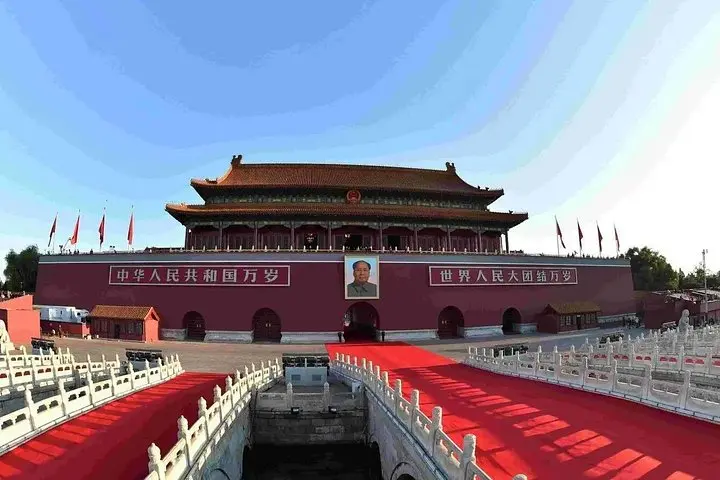
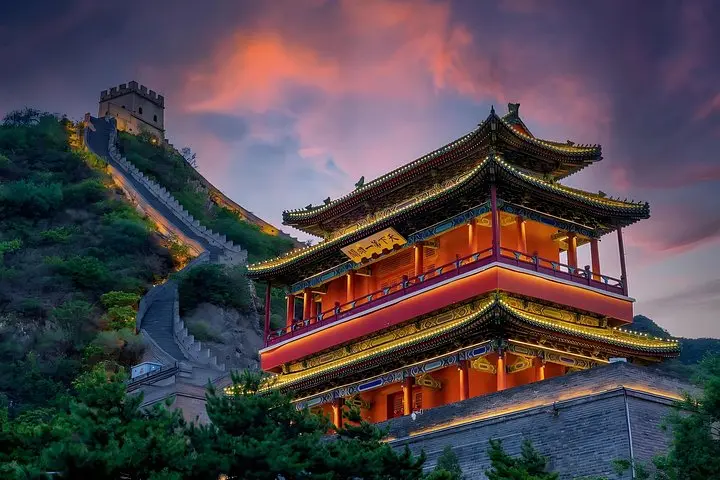
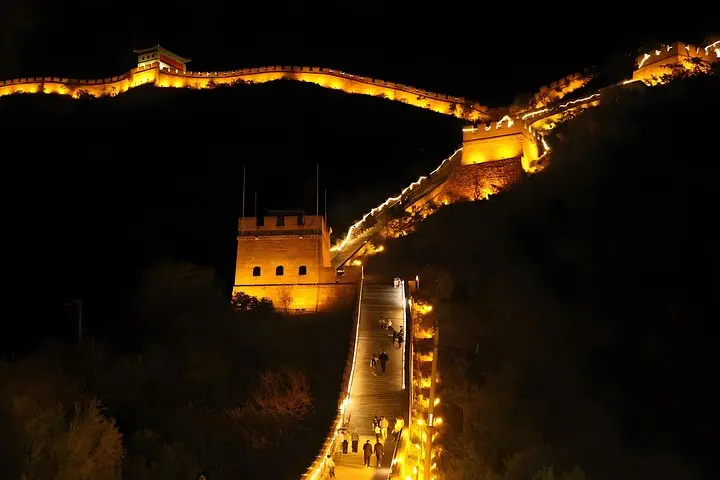
Begin with Beijing’s imperial heart: Tiananmen Square, the Forbidden City and the Temple of Heaven, places where Ming and Qing court ritual shaped political order. At Badaling the Great Wall rides the ridge like weathered armor, carved from the same gray granite that crowns northern ranges. Xi’an shifts the mood: the Terracotta Army preserves Qin-era military form, and the Ancient City Wall circles a living, food-forward neighborhood where Silk Road echoes remain in Xi’an’s aromas and bazaars.
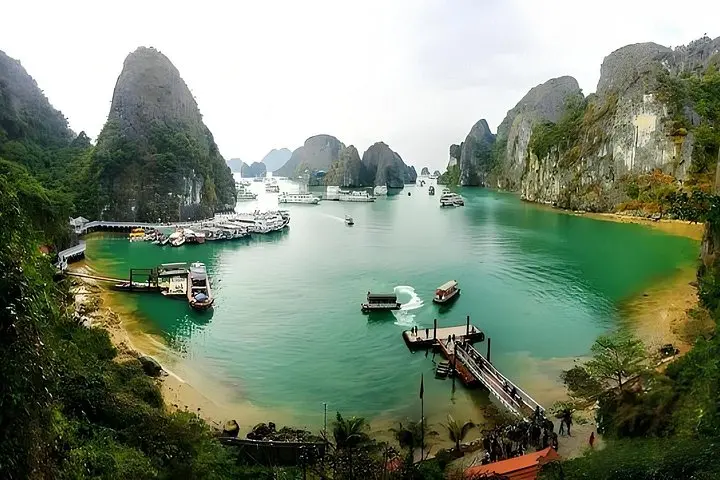
Guilin introduces a different geology — limestone karst towers that rise abruptly from rice paddies and the Li River, a landscape molded by dissolution rather than uplift; small sampans thread this geometry and bamboo groves lean toward the water. Shanghai closes the trip with an urban contrast: classical gardens, layered lanes of Tianzifang, and skyline observation decks that frame modern China’s economic ascent.
Practical guidance: pack layered clothing for variable microclimates, comfortable walking shoes for cobbles and uneven palace steps, and a compact daypack for city walks and river excursions. Book tickets and high-speed trains early; carry photocopies of travel documents and a portable charger. Expect moderate daily walking, early starts for key sites, and plenty of photographic moments.
Most travelers to China require a visa; check your nationality-specific requirements and apply well before departure.
The trip description lists admission tickets and high-speed train segments as included in the itinerary; confirm specifics with the operator before booking.
Plan for moderate walking most days — several hours on city tours, wall sections, and the Terracotta site — with time to rest between activities.
Local guides can usually arrange alternative meals for dietary needs if notified in advance during booking.
Wtrip operates guided outdoor trips and adventures with an emphasis on safety, stewardship, and memorable experiences.
You step off the train into early-morning Beijing and the city greets you with a mix of soot-streaked rooftops and the precise geometry of imperial gates. Over the next ten days you move from stone battlements and terracotta ranks to karst peaks mirrored in a slow river, finishing beneath Shanghai’s glass spires — a clear corridor through China’s layered past and present.
You step off the train into early-morning Beijing and the city greets you with a mix of soot-streaked rooftops and the precise geometry of imperial gates. Over the next ten days you move from stone battlements and terracotta ranks to karst peaks mirrored in a slow river, finishing beneath Shanghai’s glass spires — a clear corridor through China’s layered past and present.
Begin with Beijing’s imperial heart: Tiananmen Square, the Forbidden City and the Temple of Heaven, places where Ming and Qing court ritual shaped political order. At Badaling the Great Wall rides the ridge like weathered armor, carved from the same gray granite that crowns northern ranges. Xi’an shifts the mood: the Terracotta Army preserves Qin-era military form, and the Ancient City Wall circles a living, food-forward neighborhood where Silk Road echoes remain in Xi’an’s aromas and bazaars.
Guilin introduces a different geology — limestone karst towers that rise abruptly from rice paddies and the Li River, a landscape molded by dissolution rather than uplift; small sampans thread this geometry and bamboo groves lean toward the water. Shanghai closes the trip with an urban contrast: classical gardens, layered lanes of Tianzifang, and skyline observation decks that frame modern China’s economic ascent.
Practical guidance: pack layered clothing for variable microclimates, comfortable walking shoes for cobbles and uneven palace steps, and a compact daypack for city walks and river excursions. Book tickets and high-speed trains early; carry photocopies of travel documents and a portable charger. Expect moderate daily walking, early starts for key sites, and plenty of photographic moments.