THE ADVENTURE COLLECTIVE® · Independent discovery and booking for outdoor travel

A compact 10‑day circuit through Delhi, Jodhpur, Agra and Varanasi that pairs Mughal monuments with living river rituals. Ideal for travelers who want sunrise Taj visits, desert forts and the intensity of the Ganges all in one trip.
A compact 10‑day circuit through Delhi, Jodhpur, Agra and Varanasi that pairs Mughal monuments with living river rituals. Ideal for travelers who want sunrise Taj visits, desert forts and the intensity of the Ganges all in one trip.
You step out into a Delhi morning where traffic and chai sellers meet Mughal stone — the city already moving as you collect your luggage. Days later you climb the ramps of Mehrangarh, where the sandstone holds the desert sun; on the Yamuna and then the Ganges the rivers demand a quieter pace, their currents shaping rituals and routines that have run for centuries.
Verified experiences and guided adventures in the surrounding area.
Operated by Jee Tours · New Delhi, Delhi
You step out into a Delhi morning where traffic and chai sellers meet Mughal stone — the city already moving as you collect your luggage. Days later you climb the ramps of Mehrangarh, where the sandstone holds the desert sun; on the Yamuna and then the Ganges the rivers demand a quieter pace, their currents shaping rituals and routines that have run for centuries.
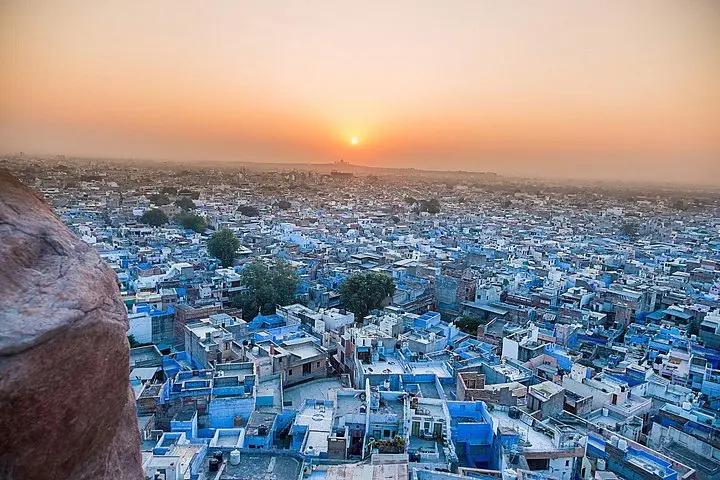
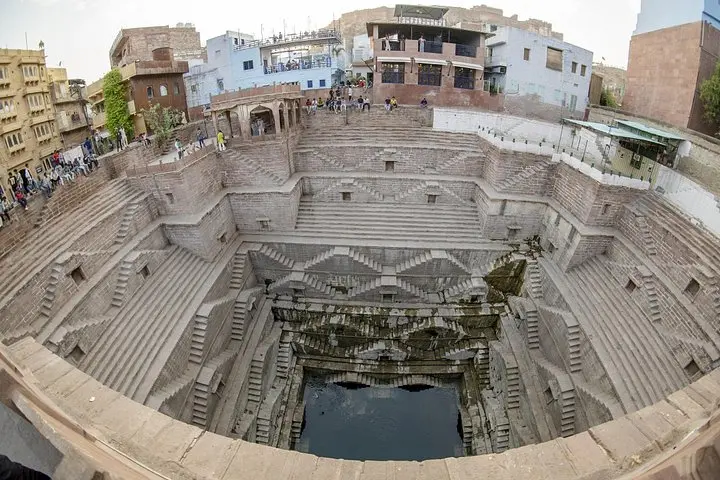
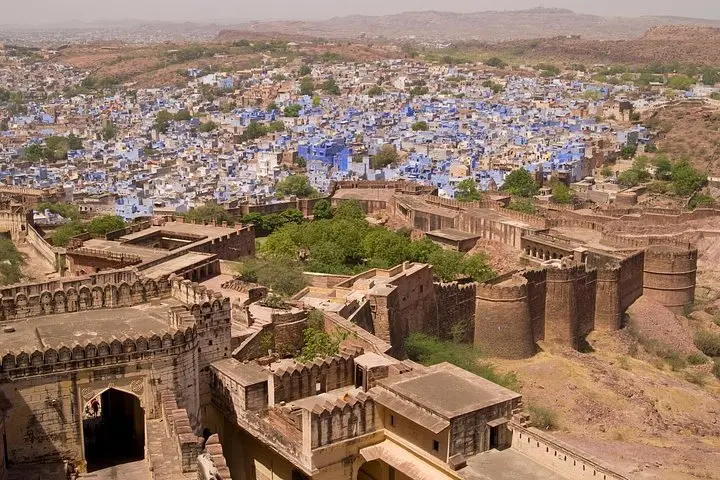
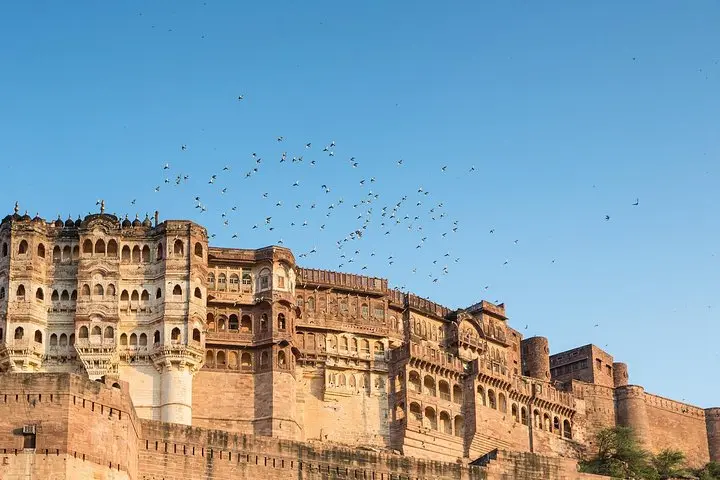
This 10-day route threads Mughal red-sandstone architecture, Rajput palaces and the sacred ghats of Varanasi. The Taj Mahal’s inlaid marble and the vertical rhythm of Qutub Minar map imperial ambition; Mehrangarh’s ramparts tell of desert geology and military strategy, while Varanasi’s ghats reveal a living cultural practice centered on the Ganges.
Expect a mix of urban walking, market navigation and short rural drives — overnight trains stitch long distances (Jodhpur–Agra, Agra–Varanasi) into the schedule. Local guides interpret funerary rites at Manikarnika Ghat, palace collections at Umaid Bhawan and the quieter side streets around the Clock Tower market. Timing matters: sunrises at the Taj and on the Ganges cut the crowd and color.
Practical edge: pack light but cover shoulders and knees for temples, bring sturdy walking shoes for uneven fort ramps, carry re-usable water and hand sanitizer, and allow flexibility around train timetables. Keep photocopies of travel documents and exchange some rupees before late-night arrivals. With basic planning, the trip balances cultural depth with manageable logistics — a traveler's loop through India's most photographed and most intimate places, paced to absorb both monuments and moments.
The Taj Mahal is closed on Fridays for prayer; plan your Agra day accordingly and book sunrise slots early.
Indian overnight trains are a practical way to cover long distances; choose reserved sleeper classes, keep valuables close and use trusted porter services at stations.
Most foreign visitors need an Indian tourist visa obtained before arrival — check current eVisa rules for your nationality and print confirmations.
The evening Ganga Aarti in Varanasi is typically optional; many tours arrange a guided visit or recommend arriving early for a riverfront spot.
Jee Tours operates guided outdoor trips and adventures with an emphasis on safety, stewardship, and memorable experiences.
You step out into a Delhi morning where traffic and chai sellers meet Mughal stone — the city already moving as you collect your luggage. Days later you climb the ramps of Mehrangarh, where the sandstone holds the desert sun; on the Yamuna and then the Ganges the rivers demand a quieter pace, their currents shaping rituals and routines that have run for centuries.
You step out into a Delhi morning where traffic and chai sellers meet Mughal stone — the city already moving as you collect your luggage. Days later you climb the ramps of Mehrangarh, where the sandstone holds the desert sun; on the Yamuna and then the Ganges the rivers demand a quieter pace, their currents shaping rituals and routines that have run for centuries.
This 10-day route threads Mughal red-sandstone architecture, Rajput palaces and the sacred ghats of Varanasi. The Taj Mahal’s inlaid marble and the vertical rhythm of Qutub Minar map imperial ambition; Mehrangarh’s ramparts tell of desert geology and military strategy, while Varanasi’s ghats reveal a living cultural practice centered on the Ganges.
Expect a mix of urban walking, market navigation and short rural drives — overnight trains stitch long distances (Jodhpur–Agra, Agra–Varanasi) into the schedule. Local guides interpret funerary rites at Manikarnika Ghat, palace collections at Umaid Bhawan and the quieter side streets around the Clock Tower market. Timing matters: sunrises at the Taj and on the Ganges cut the crowd and color.
Practical edge: pack light but cover shoulders and knees for temples, bring sturdy walking shoes for uneven fort ramps, carry re-usable water and hand sanitizer, and allow flexibility around train timetables. Keep photocopies of travel documents and exchange some rupees before late-night arrivals. With basic planning, the trip balances cultural depth with manageable logistics — a traveler's loop through India's most photographed and most intimate places, paced to absorb both monuments and moments.