THE ADVENTURE COLLECTIVE® · Independent discovery and booking for outdoor travel

Traverse Côte d'Ivoire from Yamoussoukro’s monumental basilica to Korhogo’s granite summits and the mangroves of the southeast. This 10-day cultural circuit combines folkloric performances, artisan workshops and river excursions with hands-on immersion in local life.
Traverse Côte d'Ivoire from Yamoussoukro’s monumental basilica to Korhogo’s granite summits and the mangroves of the southeast. This 10-day cultural circuit combines folkloric performances, artisan workshops and river excursions with hands-on immersion in local life.
Dust from the highway settles on the bus as it peels away from Abidjan and the landscape opens — red earth giving way to granite outcrops and wide, grassy savannahs. Over ten days the route threads through Yamoussoukro’s monumental basilica, the carved villages of the Senufo, the neo-Sudanese mosque at Kong and finally the mangroves and surf of the southeastern coast.
Verified experiences and guided adventures in the surrounding area.
Operated by The Ivory Tours · Abidjan, Lagunes
Dust from the highway settles on the bus as it peels away from Abidjan and the landscape opens — red earth giving way to granite outcrops and wide, grassy savannahs. Over ten days the route threads through Yamoussoukro’s monumental basilica, the carved villages of the Senufo, the neo-Sudanese mosque at Kong and finally the mangroves and surf of the southeastern coast.
This circuit maps political history and older human stories: Yamoussoukro’s basilica and memorials recall Félix Houphouët-Boigny’s era; Grand-Bassam preserves late‑19th century colonial architecture; Ahouakro’s archaeological park hints at deep prehistoric occupation. Geologically the north is granite and inselbergs—Mount Korhogo rises to ~560 m—while the south is alluvial plain, braided rivers and coastal lagoons where the Bandama dares you to follow it to the sea.
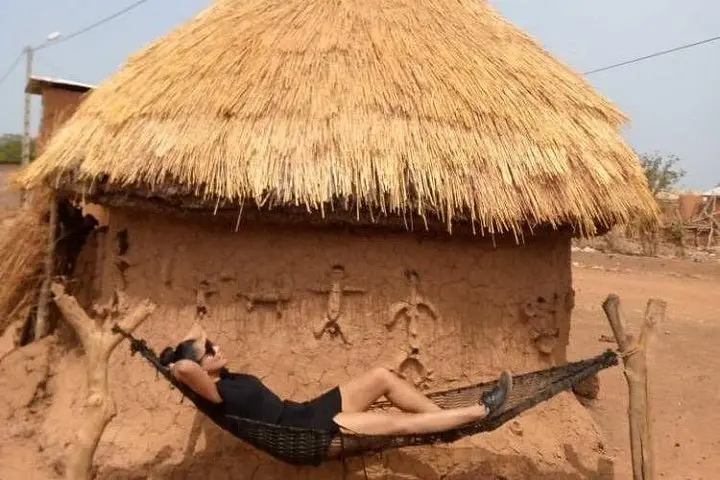
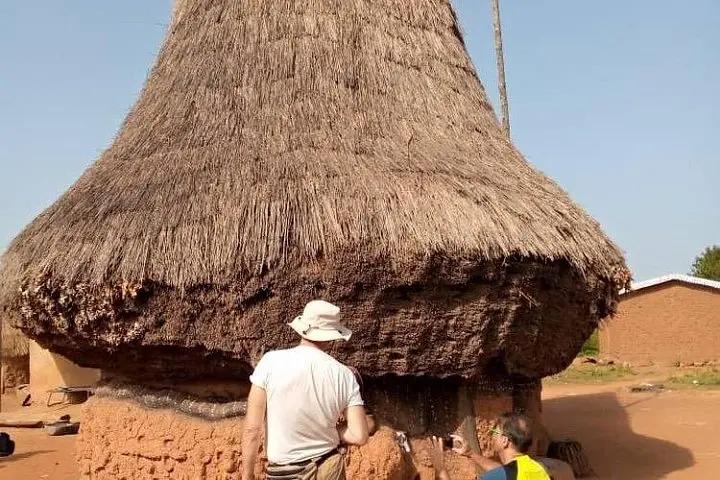
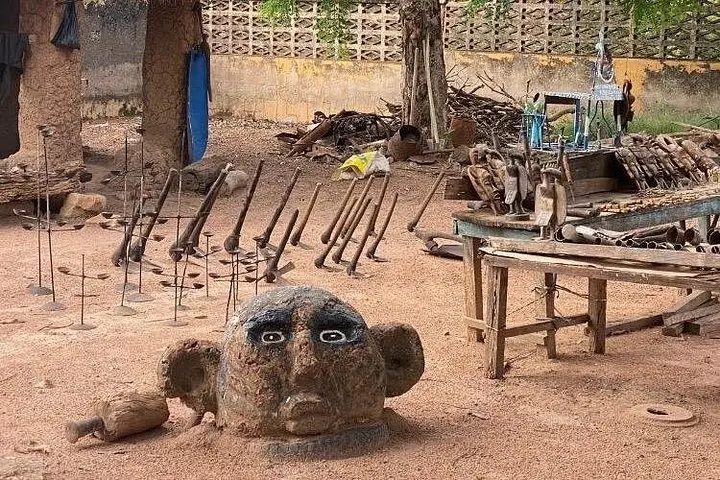
The cultural program emphasizes living traditions: baoulé weavers and potters, Senufo balafon music and masked dances, shea cooperatives and woodcarvers. Local guides balance storytelling with hands-on workshops so visitors learn techniques and lend direct economic support to artisans.
Practical essentials: expect roughly 1,700 km of road transfers across varied surfaces, light hikes up small peaks (250–560 m), several canoe or boat excursions on the Bandama and opportunities for swimming and surfing on the coast. Bring sturdy walking shoes, sun protection, and modest clothing for sacred sites. Hydrate frequently and plan arrival days in Abidjan to acclimatize — the itinerary is immersive and paced, but active.
Most visitors need a visa for Côte d'Ivoire and routine vaccinations; yellow fever vaccination is commonly required—check current embassy and health advisories well before travel.
Guides maintain strict distances on river excursions; hippos are observed from canoes or riverbanks and swimming near hippo zones is avoided for safety.
The tour is rated suitable for varying fitness levels but includes short hikes and some uneven terrain; basic mobility and stamina are recommended.
French is the primary language; local CFA franc is used—carry cash for markets and artisanal purchases, though cards may work in larger hotels.
The Ivory Tours operates guided outdoor trips and adventures with an emphasis on safety, stewardship, and memorable experiences.
Dust from the highway settles on the bus as it peels away from Abidjan and the landscape opens — red earth giving way to granite outcrops and wide, grassy savannahs. Over ten days the route threads through Yamoussoukro’s monumental basilica, the carved villages of the Senufo, the neo-Sudanese mosque at Kong and finally the mangroves and surf of the southeastern coast.
Dust from the highway settles on the bus as it peels away from Abidjan and the landscape opens — red earth giving way to granite outcrops and wide, grassy savannahs. Over ten days the route threads through Yamoussoukro’s monumental basilica, the carved villages of the Senufo, the neo-Sudanese mosque at Kong and finally the mangroves and surf of the southeastern coast.
This circuit maps political history and older human stories: Yamoussoukro’s basilica and memorials recall Félix Houphouët-Boigny’s era; Grand-Bassam preserves late‑19th century colonial architecture; Ahouakro’s archaeological park hints at deep prehistoric occupation. Geologically the north is granite and inselbergs—Mount Korhogo rises to ~560 m—while the south is alluvial plain, braided rivers and coastal lagoons where the Bandama dares you to follow it to the sea.
The cultural program emphasizes living traditions: baoulé weavers and potters, Senufo balafon music and masked dances, shea cooperatives and woodcarvers. Local guides balance storytelling with hands-on workshops so visitors learn techniques and lend direct economic support to artisans.
Practical essentials: expect roughly 1,700 km of road transfers across varied surfaces, light hikes up small peaks (250–560 m), several canoe or boat excursions on the Bandama and opportunities for swimming and surfing on the coast. Bring sturdy walking shoes, sun protection, and modest clothing for sacred sites. Hydrate frequently and plan arrival days in Abidjan to acclimatize — the itinerary is immersive and paced, but active.