THE ADVENTURE COLLECTIVE® · Independent discovery and booking for outdoor travel

Ten days connecting Beijing, Xi’an, Luoyang, Nanjing, and Shanghai to trace China’s imperial, religious, and modern threads. Expect high-speed trains, guided urban walks, UNESCO sites, and hands-on cultural workshops.
Ten days connecting Beijing, Xi’an, Luoyang, Nanjing, and Shanghai to trace China’s imperial, religious, and modern threads. Expect high-speed trains, guided urban walks, UNESCO sites, and hands-on cultural workshops.
You step out of Beijing Capital Airport into a cold wash of air and a city that has carried emperors and engineers in equal measure. On day one the guide eases you into the rhythm of the trip; within days you’ll be walking the stone steps of Badaling, tracing palace corridors in the Forbidden City, and watching Huangpu’s lights reflect off the river in Shanghai.
Verified experiences and guided adventures in the surrounding area.
Operated by Wtrip · Beijing, Beijing
You step out of Beijing Capital Airport into a cold wash of air and a city that has carried emperors and engineers in equal measure. On day one the guide eases you into the rhythm of the trip; within days you’ll be walking the stone steps of Badaling, tracing palace corridors in the Forbidden City, and watching Huangpu’s lights reflect off the river in Shanghai.
This itinerary threads five cities that map China’s imperial and modern arcs: Beijing’s Ming and Qing institutions; Xi’an’s Terracotta Army and circular city wall; Luoyang’s Buddhist grottoes; Nanjing’s riverfront and Confucian legacy; and Shanghai’s colonial Bund and contemporary skyline. Geology shapes the experience too — the Yellow River basin and limestone grottoes at Longmen record millennia of erosion and human carving, while the engineered terraces of city walls show centuries of urban defense.
Culturally the trip balances museums, temple rituals, and hands-on workshops — from crafting a miniature warrior in Xi’an to a dim sum lesson in Shanghai — giving texture to dynastic stories and local craft traditions.
Practical guidance: expect daily walking of 2–6 miles in urban sites, routine luggage transfers, and four high-speed train rides (one leg ~4.5 hours). Hotels are 4-star with included breakfasts; bring comfortable, broken-in walking shoes, a layered jacket for variable weather, a daypack, and a compact power adapter. Keep a photocopy of your passport and allow time for immigration and train-station checks. With modest pace and planning, this tour delivers concentrated cultural depth across China’s most iconic cities.
High-speed train segments and private transfers within destinations are included as described in the itinerary.
Plan on 2–6 miles of walking per day over mostly paved or stone surfaces; some sites include stairs and uneven terrain.
Yes; the tour is labeled easy and accessible, with stroller and wheelchair access noted for many sites, though some historic areas may have steps.
Most visitors to China require a valid visa; confirm requirements for your nationality and ensure passport validity meets entry rules before travel.
Wtrip operates guided outdoor trips and adventures with an emphasis on safety, stewardship, and memorable experiences.
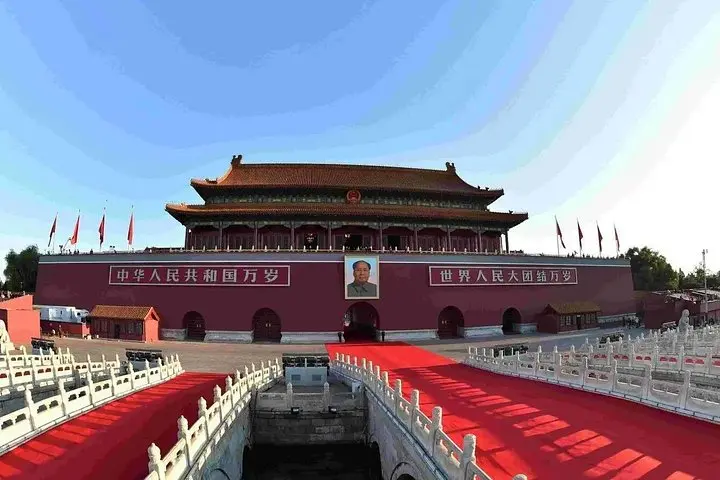

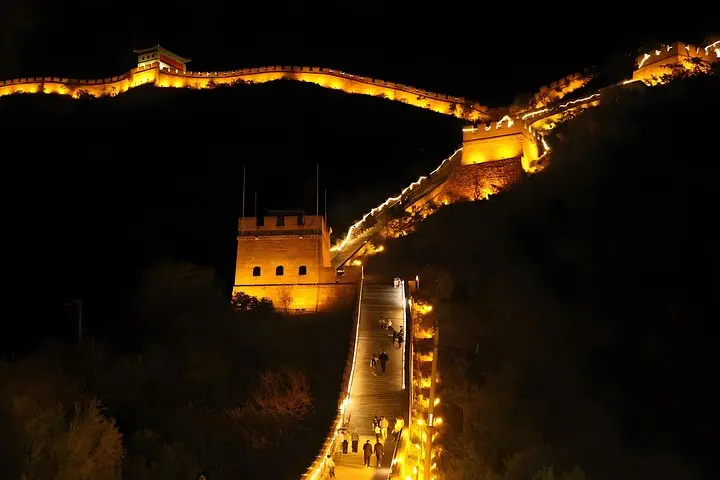
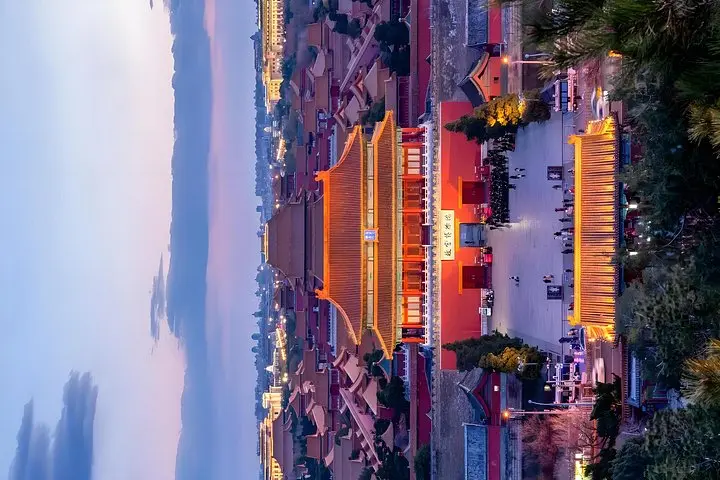
You step out of Beijing Capital Airport into a cold wash of air and a city that has carried emperors and engineers in equal measure. On day one the guide eases you into the rhythm of the trip; within days you’ll be walking the stone steps of Badaling, tracing palace corridors in the Forbidden City, and watching Huangpu’s lights reflect off the river in Shanghai.
You step out of Beijing Capital Airport into a cold wash of air and a city that has carried emperors and engineers in equal measure. On day one the guide eases you into the rhythm of the trip; within days you’ll be walking the stone steps of Badaling, tracing palace corridors in the Forbidden City, and watching Huangpu’s lights reflect off the river in Shanghai.
This itinerary threads five cities that map China’s imperial and modern arcs: Beijing’s Ming and Qing institutions; Xi’an’s Terracotta Army and circular city wall; Luoyang’s Buddhist grottoes; Nanjing’s riverfront and Confucian legacy; and Shanghai’s colonial Bund and contemporary skyline. Geology shapes the experience too — the Yellow River basin and limestone grottoes at Longmen record millennia of erosion and human carving, while the engineered terraces of city walls show centuries of urban defense.
Culturally the trip balances museums, temple rituals, and hands-on workshops — from crafting a miniature warrior in Xi’an to a dim sum lesson in Shanghai — giving texture to dynastic stories and local craft traditions.
Practical guidance: expect daily walking of 2–6 miles in urban sites, routine luggage transfers, and four high-speed train rides (one leg ~4.5 hours). Hotels are 4-star with included breakfasts; bring comfortable, broken-in walking shoes, a layered jacket for variable weather, a daypack, and a compact power adapter. Keep a photocopy of your passport and allow time for immigration and train-station checks. With modest pace and planning, this tour delivers concentrated cultural depth across China’s most iconic cities.