THE ADVENTURE COLLECTIVE® · Independent discovery and booking for outdoor travel

From the Great Pyramids to a Nile felucca and a night beneath White Desert stars, this 10-day route stitches Egypt’s must-see antiquities with river and desert experiences. Practical tips help you plan for heat, walking, and snorkeling.
From the Great Pyramids to a Nile felucca and a night beneath White Desert stars, this 10-day route stitches Egypt’s must-see antiquities with river and desert experiences. Practical tips help you plan for heat, walking, and snorkeling.
You step out of Cairo’s morning haze and the city unfolds: minarets puncture the skyline, traffic hums, and the Nile slips by with patient momentum. Over ten days this itinerary trades urban pulse for river calm and starlit desert—one day you’re under the shadows of Giza’s pyramids, the next you’re circling Philae by felucca as the river breezes dare you to slow down.
Verified experiences and guided adventures in the surrounding area.
Operated by Marsa Alam Tours · Cairo, Cairo Governorate
You step out of Cairo’s morning haze and the city unfolds: minarets puncture the skyline, traffic hums, and the Nile slips by with patient momentum. Over ten days this itinerary trades urban pulse for river calm and starlit desert—one day you’re under the shadows of Giza’s pyramids, the next you’re circling Philae by felucca as the river breezes dare you to slow down.
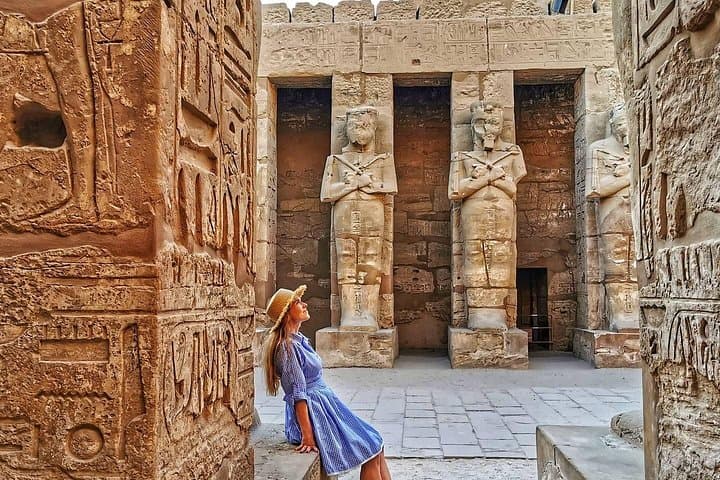
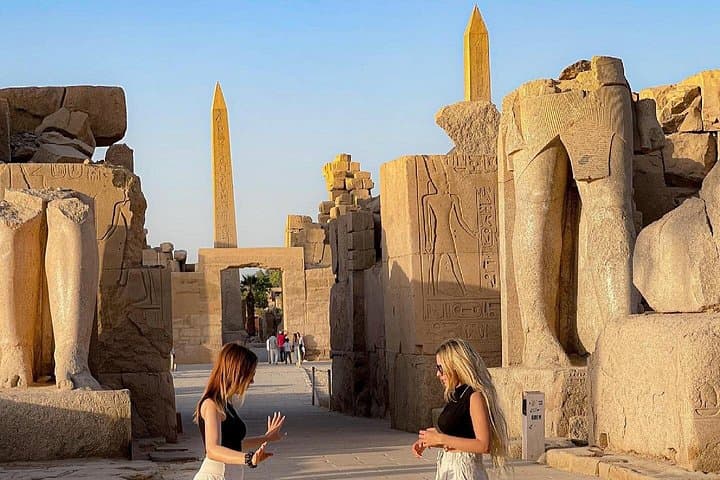
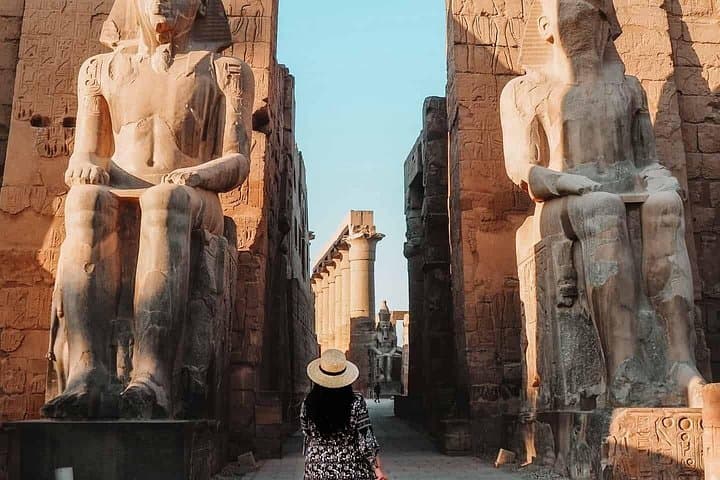
Egypt’s layered history is on constant display: Pharaonic stonework at Karnak and the Valley of the Kings, Ptolemaic and Roman ruins in Alexandria, and modern museum galleries in Cairo. Geology explains the White Desert’s alien chalk formations—wind-sculpted limestone left after an inland sea retreated millions of years ago—while the Nile’s floodplain built the agricultural ribbon that sustained ancient kingdoms.
Culturally the trip stitches together urban markets, Bedouin desert nights, and island reefs; local guides and Egyptologists translate inscriptions and social practices into context, giving each site measurable meaning.
Practical guidance: expect long travel days with brief walking tours—stairs and uneven temple passages are common. Pack layered clothing for cool desert nights and hot days, bring a good hat and sunscreen for the Red Sea and White Desert, and carry basic medications for travel fatigue and sun exposure. For snorkeling, basic swimming skills and reef-safe sunscreen protect both you and marine life. Timing matters—visit the White Desert at sunset for the clearest textures, and schedule major monuments early morning to avoid crowds and midday heat.
This is a trip of contrasts: stone and wind, river and reef, history so close you can touch it.
Many nationalities require a visa for Egypt—check your embassy or the official e-visa portal and confirm entry requirements well before travel.
This tour includes admissions to several key sites like Abu Simbel and some Luxor temples, but verify your itinerary specifics and carry cash for optional entrances or tips.
Camping is basic but managed by staff; expect simple desert beds, communal meals, and cold nights—bring a warm layer and any personal comfort items.
You should be comfortable swimming short distances and treading water; guides provide basic gear but consider bringing a mask you trust.
Marsa Alam Tours operates guided outdoor trips and adventures with an emphasis on safety, stewardship, and memorable experiences.

You step out of Cairo’s morning haze and the city unfolds: minarets puncture the skyline, traffic hums, and the Nile slips by with patient momentum. Over ten days this itinerary trades urban pulse for river calm and starlit desert—one day you’re under the shadows of Giza’s pyramids, the next you’re circling Philae by felucca as the river breezes dare you to slow down.
You step out of Cairo’s morning haze and the city unfolds: minarets puncture the skyline, traffic hums, and the Nile slips by with patient momentum. Over ten days this itinerary trades urban pulse for river calm and starlit desert—one day you’re under the shadows of Giza’s pyramids, the next you’re circling Philae by felucca as the river breezes dare you to slow down.
Egypt’s layered history is on constant display: Pharaonic stonework at Karnak and the Valley of the Kings, Ptolemaic and Roman ruins in Alexandria, and modern museum galleries in Cairo. Geology explains the White Desert’s alien chalk formations—wind-sculpted limestone left after an inland sea retreated millions of years ago—while the Nile’s floodplain built the agricultural ribbon that sustained ancient kingdoms.
Culturally the trip stitches together urban markets, Bedouin desert nights, and island reefs; local guides and Egyptologists translate inscriptions and social practices into context, giving each site measurable meaning.
Practical guidance: expect long travel days with brief walking tours—stairs and uneven temple passages are common. Pack layered clothing for cool desert nights and hot days, bring a good hat and sunscreen for the Red Sea and White Desert, and carry basic medications for travel fatigue and sun exposure. For snorkeling, basic swimming skills and reef-safe sunscreen protect both you and marine life. Timing matters—visit the White Desert at sunset for the clearest textures, and schedule major monuments early morning to avoid crowds and midday heat.
This is a trip of contrasts: stone and wind, river and reef, history so close you can touch it.