THE ADVENTURE COLLECTIVE® · Independent discovery and booking for outdoor travel

Travel from Cairo’s pyramids to a slow Nile cruise and end camping among surreal limestone sculptures in the White Desert. This 10-day loop combines pharaonic tombs, felucca rides, and desert nights with practical, on-the-ground logistics.
Travel from Cairo’s pyramids to a slow Nile cruise and end camping among surreal limestone sculptures in the White Desert. This 10-day loop combines pharaonic tombs, felucca rides, and desert nights with practical, on-the-ground logistics.
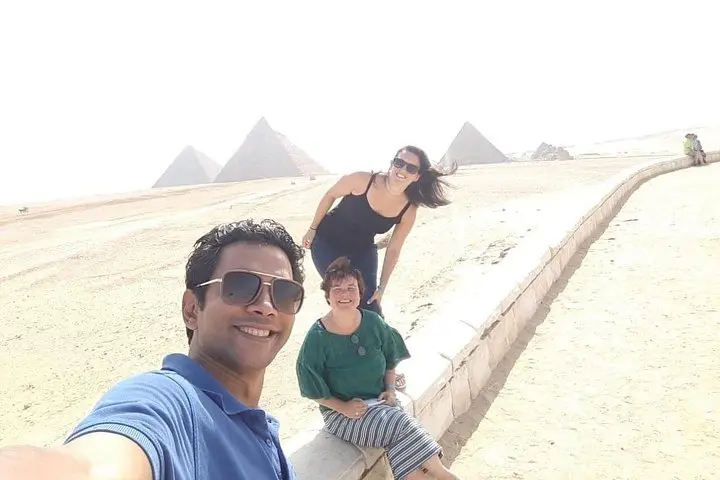
The day begins under Cairo's wide, noisy sky: tuk-tuks thread through dust and the Pyramids sit like deliberate punctuation on the western horizon. Travelers board short internal flights, step into shaded museum halls, and then trade city grit for the slow, steady motion of a Nile cruise; later, the chalk spires of the White Desert loom white as bone against a cobalt night.
Verified experiences and guided adventures in the surrounding area.
Operated by Excursies Egypte-Day Tours · Cairo, Cairo Governorate
The day begins under Cairo's wide, noisy sky: tuk-tuks thread through dust and the Pyramids sit like deliberate punctuation on the western horizon. Travelers board short internal flights, step into shaded museum halls, and then trade city grit for the slow, steady motion of a Nile cruise; later, the chalk spires of the White Desert loom white as bone against a cobalt night.
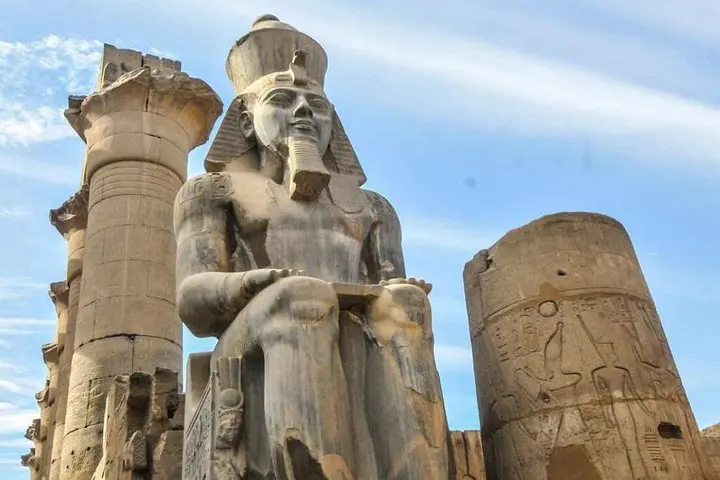
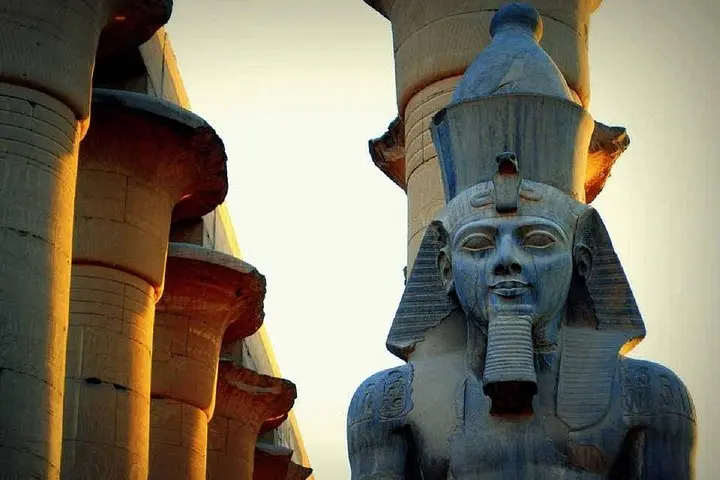
This route stitches together Egypt’s layers: Pharaonic tombs in Luxor and the Valley of the Kings, Greco-Roman reliefs at Edfu and Kom Ombo, and the modern engineering of the Aswan High Dam. Abu Simbel’s relocated colossi tell a recent story of conservation, while Bahariya’s black and white deserts speak to ancient marine geology — limestone and chalk sculpted by wind and salt over millennia. Cultural threads run through bazaars, Nubian villages and mosque courtyards: expect guided explanations of rituals, local crafts and regional cuisine.
Practically, the trip alternates long travel days and low-impact walking: temple platforms, narrow tomb corridors, and short desert treks. Mornings are best for exposed sites; afternoons favor the cool interior of museums or a felucca ride. Pack sun protection, a headlamp for camping, and a reusable water bottle. Cash in small denominations helps at markets; modest dress is required at religious sites. Nights on the Nile or under desert stars are quiet but can be chilly — bring a light layer. With basic preparation this itinerary delivers concentrated history, dramatic landscapes, and a direct sense of how the Nile still shapes life in Egypt.
Most nationalities require a tourist visa; many can obtain one on arrival or apply online—check current embassy guidance before travel.
The tour is mostly low-impact walking with occasional stairs in tombs and temples; a basic level of mobility is required for embarking the cruise and brief desert walks.
Yes—internal flights between Cairo, Aswan and Luxor and all private transfers listed in the itinerary are included.
Camping is rustic with tents provided by local staff, shared facilities and a simple cooked meal; nights can be very cold and facilities are basic compared to hotels.
Excursies Egypte-Day Tours operates guided outdoor trips and adventures with an emphasis on safety, stewardship, and memorable experiences.
The day begins under Cairo's wide, noisy sky: tuk-tuks thread through dust and the Pyramids sit like deliberate punctuation on the western horizon. Travelers board short internal flights, step into shaded museum halls, and then trade city grit for the slow, steady motion of a Nile cruise; later, the chalk spires of the White Desert loom white as bone against a cobalt night.
The day begins under Cairo's wide, noisy sky: tuk-tuks thread through dust and the Pyramids sit like deliberate punctuation on the western horizon. Travelers board short internal flights, step into shaded museum halls, and then trade city grit for the slow, steady motion of a Nile cruise; later, the chalk spires of the White Desert loom white as bone against a cobalt night.
This route stitches together Egypt’s layers: Pharaonic tombs in Luxor and the Valley of the Kings, Greco-Roman reliefs at Edfu and Kom Ombo, and the modern engineering of the Aswan High Dam. Abu Simbel’s relocated colossi tell a recent story of conservation, while Bahariya’s black and white deserts speak to ancient marine geology — limestone and chalk sculpted by wind and salt over millennia. Cultural threads run through bazaars, Nubian villages and mosque courtyards: expect guided explanations of rituals, local crafts and regional cuisine.
Practically, the trip alternates long travel days and low-impact walking: temple platforms, narrow tomb corridors, and short desert treks. Mornings are best for exposed sites; afternoons favor the cool interior of museums or a felucca ride. Pack sun protection, a headlamp for camping, and a reusable water bottle. Cash in small denominations helps at markets; modest dress is required at religious sites. Nights on the Nile or under desert stars are quiet but can be chilly — bring a light layer. With basic preparation this itinerary delivers concentrated history, dramatic landscapes, and a direct sense of how the Nile still shapes life in Egypt.