THE ADVENTURE COLLECTIVE® · Independent discovery and booking for outdoor travel

A ten-day private circuit that threads Sri Lanka’s ancient capitals, tea-clad highlands, and Yala’s wildlife country. Expect curated local stories, comfortable transport, and long vistas broken by temple steps and tea terraces.
A ten-day private circuit that threads Sri Lanka’s ancient capitals, tea-clad highlands, and Yala’s wildlife country. Expect curated local stories, comfortable transport, and long vistas broken by temple steps and tea terraces.
Morning light breaks on the tarmac at Bandaranaike International and the van hums to life — that low, patient engine sound that will become the backdrop for the next ten days. Travelers step into an itinerary that moves like a slow river through Sri Lanka’s layered past: ancient stupas, a fortress that still smells faintly of salt and gunpowder, the green, worked hillsides of tea estates, and the raw scrub where leopards patrol at dusk.
Verified experiences and guided adventures in the surrounding area.
Operated by Awesome Lanka Travels · Colombo, Western Province
Morning light breaks on the tarmac at Bandaranaike International and the van hums to life — that low, patient engine sound that will become the backdrop for the next ten days. Travelers step into an itinerary that moves like a slow river through Sri Lanka’s layered past: ancient stupas, a fortress that still smells faintly of salt and gunpowder, the green, worked hillsides of tea estates, and the raw scrub where leopards patrol at dusk.
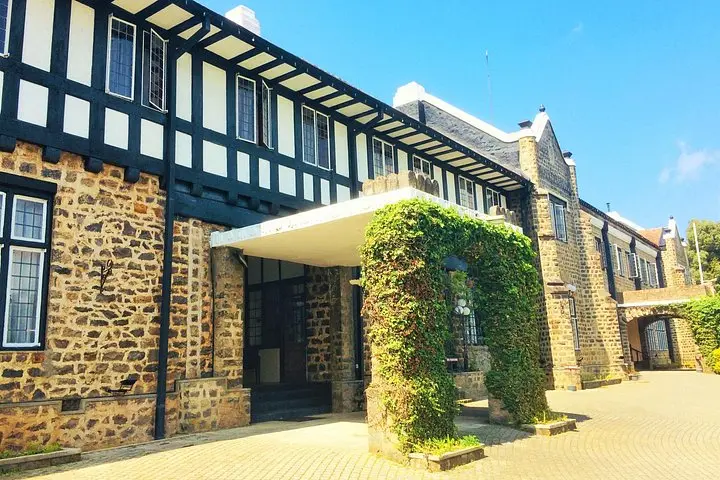
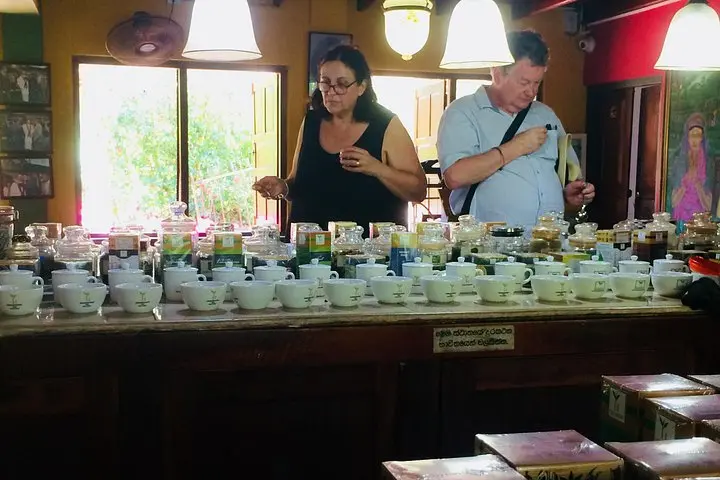
The route stitches together the island’s major chapters. In Anuradhapura and Polonnaruwa you find the island’s early Buddhist capitals where brick and stone map out an agricultural revolution and devotional life from the first centuries BCE. Sigiriya’s rock rises abruptly from flat plains — a royal plaza and water gardens stacked on an outcrop, its frescoes and hydraulic engineering revealing a sophisticated early urbanism. Kandy offers a living continuity: the Temple of the Tooth is less an exhibit than a ritual center, and tea country beyond it is the product of British colonial reworking of the highlands.
Geology matters here: the central massif splits rain patterns, feeding mist on the slopes and seasonally bone-dry plains near Yala. Those differences shape culture — rice in lowland tanks, tea on steep terraces — and wildlife, where wet-zone forests and arid scrub shelter different species.
Local guides on this private tour are framed as storytellers and logisticians: they read admission lines, recommend the best outlook at sunset, and point out where cinnamon is still harvested by hand. Expect practical comforts — air-conditioned transport, onboard Wi-Fi and bottled water — but also places that require good shoes and patience for stairs and heat.
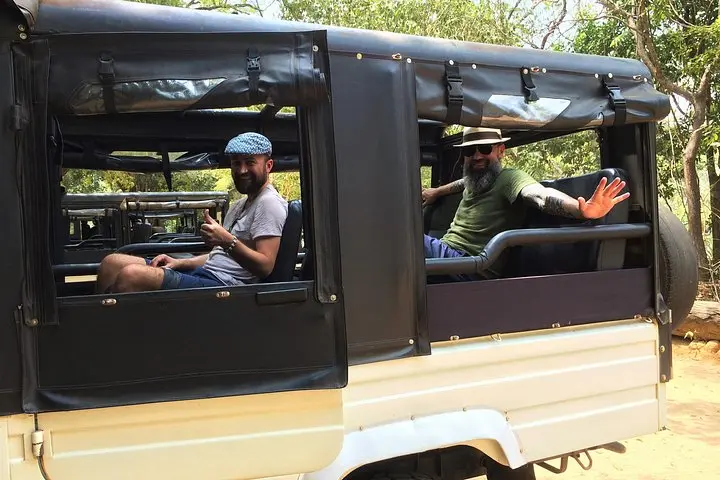
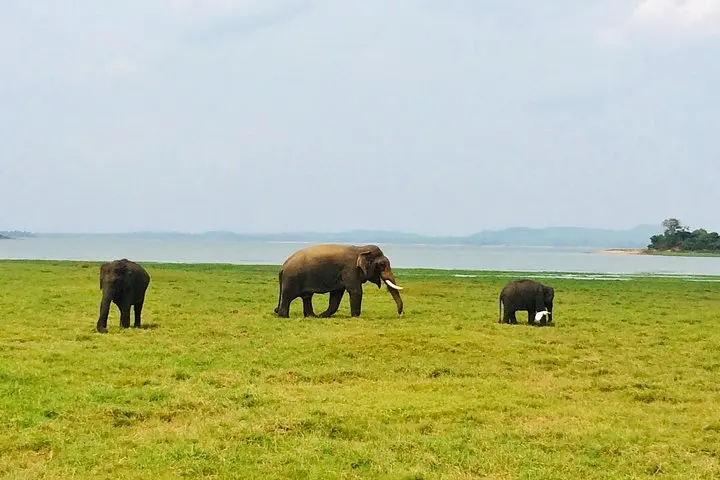
Practical guidance: pack for variation. Lightweight, quick-dry layers will answer humid coastal mornings and cool evenings in Nuwara Eliya. Bring a daypack for temple visits (modest dress required), sturdy shoes for Sigiriya’s ascent, and binoculars for Yala safaris. Plan your camera battery swaps for sunrise at Little Adam’s Peak and the train ride from Nuwara Eliya to Ella — one of the world’s most scenic rail runs.
Timing matters: mornings and late afternoons are best for wildlife and for avoiding the heat at lowland archaeological sites. Be ready for monsoon shifts; drivers may alter the day order to keep you moving in dry windows. Finally, travel with respect: many of the places visited are living religious sites; follow local norms, ask before photographing people, and leave no trace in protected areas.
This is not a race through flags on a map. It’s a paced circuit that rewards attention: the call of temple bells, the whisper of tea leaves on a slope, the sudden, silent presence of a leopard on a track. Each day layers local knowledge onto landscape, and by day ten travelers leave with both photographs and a clearer sense of how Sri Lanka’s human and natural histories fold together.
This listing emphasizes private transport and guided itinerary; confirm with the operator whether hotels and meals are included when booking.
Most visitors require an Electronic Travel Authorization (ETA) before arrival — check current government requirements and apply in advance.
No; sightings depend on season, luck, and animal movement — drivers and guides increase chances but cannot guarantee sightings.
The tour description lists transport and amenities but not all admissions; verify which archaeological site or park fees are covered before travel.
Full refund is available if canceled at least 24 hours prior; cancellations within 24 hours are non-refundable per the standard policy.
Some transport and surfaces are wheelchair accessible, but many historic sites involve stairs and uneven ground; check individual stop accessibility with the operator.
Awesome Lanka Travels operates guided outdoor trips and adventures with an emphasis on safety, stewardship, and memorable experiences.
Morning light breaks on the tarmac at Bandaranaike International and the van hums to life — that low, patient engine sound that will become the backdrop for the next ten days. Travelers step into an itinerary that moves like a slow river through Sri Lanka’s layered past: ancient stupas, a fortress that still smells faintly of salt and gunpowder, the green, worked hillsides of tea estates, and the raw scrub where leopards patrol at dusk.
Morning light breaks on the tarmac at Bandaranaike International and the van hums to life — that low, patient engine sound that will become the backdrop for the next ten days. Travelers step into an itinerary that moves like a slow river through Sri Lanka’s layered past: ancient stupas, a fortress that still smells faintly of salt and gunpowder, the green, worked hillsides of tea estates, and the raw scrub where leopards patrol at dusk.
The route stitches together the island’s major chapters. In Anuradhapura and Polonnaruwa you find the island’s early Buddhist capitals where brick and stone map out an agricultural revolution and devotional life from the first centuries BCE. Sigiriya’s rock rises abruptly from flat plains — a royal plaza and water gardens stacked on an outcrop, its frescoes and hydraulic engineering revealing a sophisticated early urbanism. Kandy offers a living continuity: the Temple of the Tooth is less an exhibit than a ritual center, and tea country beyond it is the product of British colonial reworking of the highlands.
Geology matters here: the central massif splits rain patterns, feeding mist on the slopes and seasonally bone-dry plains near Yala. Those differences shape culture — rice in lowland tanks, tea on steep terraces — and wildlife, where wet-zone forests and arid scrub shelter different species.
Local guides on this private tour are framed as storytellers and logisticians: they read admission lines, recommend the best outlook at sunset, and point out where cinnamon is still harvested by hand. Expect practical comforts — air-conditioned transport, onboard Wi-Fi and bottled water — but also places that require good shoes and patience for stairs and heat.
Practical guidance: pack for variation. Lightweight, quick-dry layers will answer humid coastal mornings and cool evenings in Nuwara Eliya. Bring a daypack for temple visits (modest dress required), sturdy shoes for Sigiriya’s ascent, and binoculars for Yala safaris. Plan your camera battery swaps for sunrise at Little Adam’s Peak and the train ride from Nuwara Eliya to Ella — one of the world’s most scenic rail runs.
Timing matters: mornings and late afternoons are best for wildlife and for avoiding the heat at lowland archaeological sites. Be ready for monsoon shifts; drivers may alter the day order to keep you moving in dry windows. Finally, travel with respect: many of the places visited are living religious sites; follow local norms, ask before photographing people, and leave no trace in protected areas.
This is not a race through flags on a map. It’s a paced circuit that rewards attention: the call of temple bells, the whisper of tea leaves on a slope, the sudden, silent presence of a leopard on a track. Each day layers local knowledge onto landscape, and by day ten travelers leave with both photographs and a clearer sense of how Sri Lanka’s human and natural histories fold together.