THE ADVENTURE COLLECTIVE® · Independent discovery and booking for outdoor travel

A 10-day guided loop across Togo, Benin and Ghana that pairs coastal forts and royal palaces with forest canopies, mountain villages and lake crossings. Expect cultural depth, varied terrain, and practical border logistics.
A 10-day guided loop across Togo, Benin and Ghana that pairs coastal forts and royal palaces with forest canopies, mountain villages and lake crossings. Expect cultural depth, varied terrain, and practical border logistics.
You step off the plane into Lomé’s humid air and the city greets you with the scent of ocean salt and frying plantain. A driver in an air-conditioned vehicle leads the way past colonial façades, busy markets and the palm-lined shore — the opening scene of a cross-border itinerary that moves from coastal forts to forest canopies and mountain hamlets.
Verified experiences and guided adventures in the surrounding area.
Operated by Miabétour · Lomé, Maritime
You step off the plane into Lomé’s humid air and the city greets you with the scent of ocean salt and frying plantain. A driver in an air-conditioned vehicle leads the way past colonial façades, busy markets and the palm-lined shore — the opening scene of a cross-border itinerary that moves from coastal forts to forest canopies and mountain hamlets.
This route follows coastline and interior routes threaded by shared West African history: Portuguese and Dutch forts at Elmina and Cape Coast, the royal palaces of Abomey, and the slave routes that shaped the modern diaspora. Geologically the trip shifts quickly — the low coastal plain gives way to the Guinean forest block and later the higher, granitic outcrops of Mount Agou and the Volta uplands. Cultural life is immediate: vodou convents and fetish markets in Togo and Benin, stilted life in Ganvié, and the pan-African legacy at the W.E.B. Du Bois Centre in Accra.
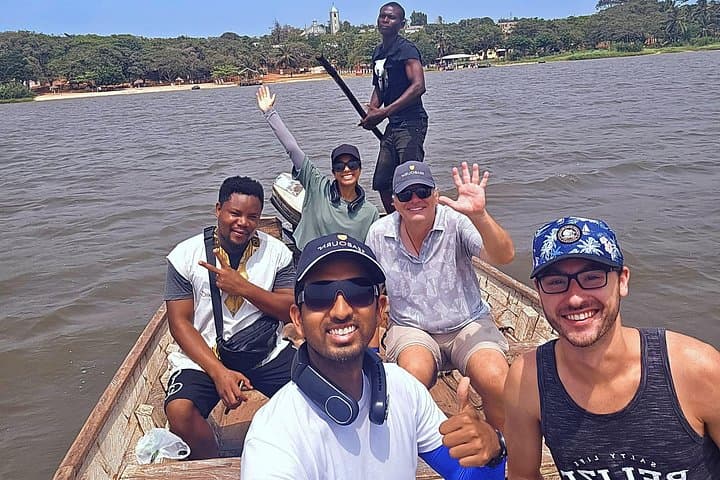
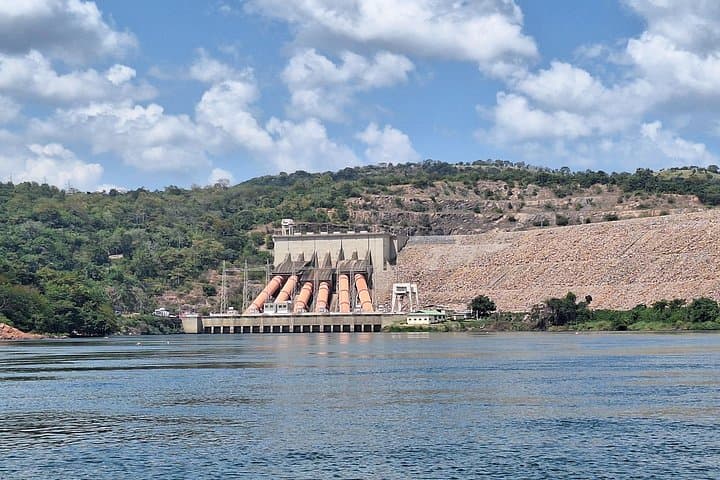
Expect active but accessible days: short hikes (Pic d’Agou, Wli Falls approaches), a 30–40m-high Kakum canopy walkway, boat crossings on Lake Togo and Lake Volta, and walking tours through historic forts and markets. Practicalities matter — cross-border stamps, different currencies (West African CFA franc in Togo/Benin, Ghanaian cedi in Ghana), basic vaccination and malaria precautions, and comfortable footwear for muddy trails. Travel windows favor the dry season (November–March) for clearer roads and safer river crossings. The tour is immersive, historically weighty and varied in terrain — and it asks for curiosity, a moderate level of fitness, and respect for sacred local practices.
Visa rules vary by nationality; travelers should check consular requirements before departure and ensure passports are valid for at least six months. The tour operator assists with border logistics but does not guarantee visa issuance.
The itinerary is active but non-technical: expect walking tours, short hikes to viewpoints and waterfall approaches; a moderate level of fitness is recommended.
Routine vaccinations and yellow fever vaccination (often required) are commonly recommended; malaria prophylaxis and up-to-date immunizations should be discussed with a travel clinic.
Markets and cultural sites are popular with visitors; follow local guide instructions, ask before photographing people or rituals, and watch personal belongings in crowded areas.
Miabétour operates guided outdoor trips and adventures with an emphasis on safety, stewardship, and memorable experiences.


You step off the plane into Lomé’s humid air and the city greets you with the scent of ocean salt and frying plantain. A driver in an air-conditioned vehicle leads the way past colonial façades, busy markets and the palm-lined shore — the opening scene of a cross-border itinerary that moves from coastal forts to forest canopies and mountain hamlets.
You step off the plane into Lomé’s humid air and the city greets you with the scent of ocean salt and frying plantain. A driver in an air-conditioned vehicle leads the way past colonial façades, busy markets and the palm-lined shore — the opening scene of a cross-border itinerary that moves from coastal forts to forest canopies and mountain hamlets.
This route follows coastline and interior routes threaded by shared West African history: Portuguese and Dutch forts at Elmina and Cape Coast, the royal palaces of Abomey, and the slave routes that shaped the modern diaspora. Geologically the trip shifts quickly — the low coastal plain gives way to the Guinean forest block and later the higher, granitic outcrops of Mount Agou and the Volta uplands. Cultural life is immediate: vodou convents and fetish markets in Togo and Benin, stilted life in Ganvié, and the pan-African legacy at the W.E.B. Du Bois Centre in Accra.
Expect active but accessible days: short hikes (Pic d’Agou, Wli Falls approaches), a 30–40m-high Kakum canopy walkway, boat crossings on Lake Togo and Lake Volta, and walking tours through historic forts and markets. Practicalities matter — cross-border stamps, different currencies (West African CFA franc in Togo/Benin, Ghanaian cedi in Ghana), basic vaccination and malaria precautions, and comfortable footwear for muddy trails. Travel windows favor the dry season (November–March) for clearer roads and safer river crossings. The tour is immersive, historically weighty and varied in terrain — and it asks for curiosity, a moderate level of fitness, and respect for sacred local practices.