THE ADVENTURE COLLECTIVE® · Independent discovery and booking for outdoor travel

A compact, 10‑day circuit through Ethiopia’s highlands, lake monasteries, Danakil Depression and Omo Valley tribes — this tour pairs awe‑inspiring natural phenomena with deep cultural encounters. Expect long drives, short hikes, desert camping and immersive local experiences.
A compact, 10‑day circuit through Ethiopia’s highlands, lake monasteries, Danakil Depression and Omo Valley tribes — this tour pairs awe‑inspiring natural phenomena with deep cultural encounters. Expect long drives, short hikes, desert camping and immersive local experiences.
You stand at Bole International, jet-lagged and alert, as Addis Ababa’s warm air and honking taxis pull you into a country where geology and ancient faith shape every horizon.
Verified experiences and guided adventures in the surrounding area.
Operated by Ethio Wildlife Tours · Addis Ababa, Addis Ababa
You stand at Bole International, jet-lagged and alert, as Addis Ababa’s warm air and honking taxis pull you into a country where geology and ancient faith shape every horizon.
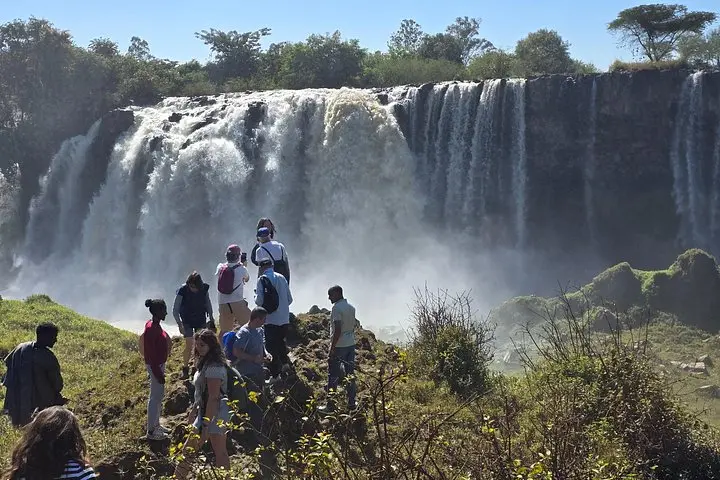
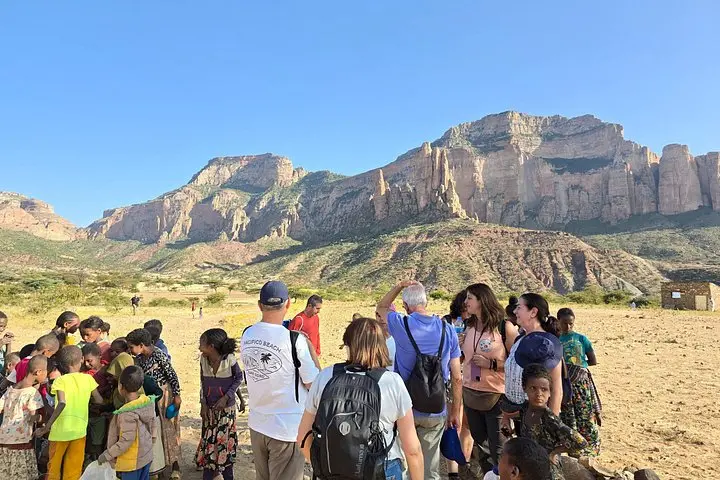
Over ten days you cross highland plains and salt flats: morning flights thread the map between Addis, Bahir Dar and Lalibela; long overland drives push into the Danakil Depression where neon sulfur springs and a salt-smudged horizon confront you with raw earth. At Lalibela the rock‑hewn churches sit low and carved, their stone interiors cool against the highland sun. Lake Tana’s monasteries float like small, studded worlds reached by boat. In the Omo Valley, tribal gatherings and bull‑jumping ceremonies put traditional social structures center stage, while the lava lake of Erta Ale glows, a slow, molten heartbeat in the night.
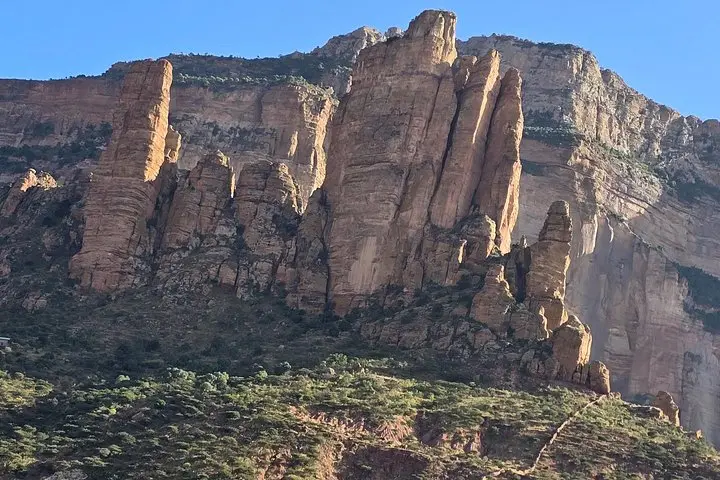
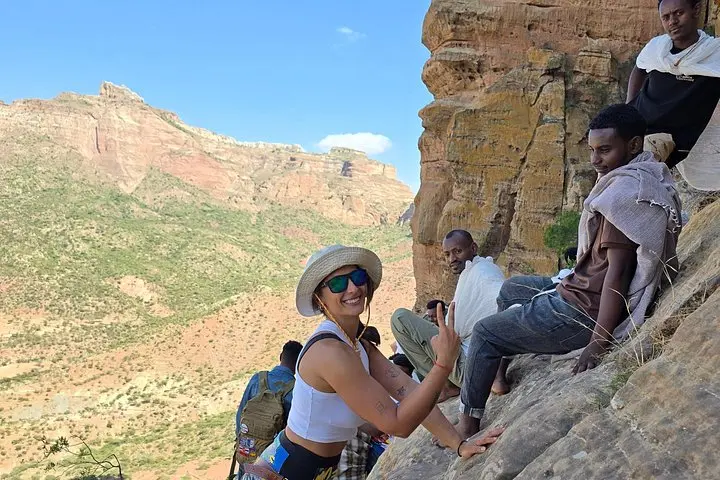
Geology and culture are inseparable here: volcanic rifts, hypersaline lakes and millennia of Ethiopian Orthodox practice. Expect uneven volcanic trails, steep cliff scrambles to reach cliff churches, dusty jeep roads, and a mix of tent camping and modest hotels. Distances are long—several hours between points—and conditions swing from cool highlands (2,000–2,500 m) to the Danakil’s below-sea-level heat.
Practical guidance: travel with sturdy boots and layered clothes, carry ample water and electrolyte replacements, and plan for early starts to avoid midday heat. Respect local customs in the Omo Valley, hire local guides for remote hikes, and allow time to acclimatize before highland excursions. With preparation, this is a compact, intense survey of Ethiopia’s landscapes, faiths, and living traditions—designed for travelers ready to trade comfort for unforgettable encounters.
Yes when booked through reputable operators and with local guides — follow safety briefings, stay with the group, and avoid wandering alone in remote areas.
Entry to remote Danakil areas typically requires local permits and a licensed guide; these are usually arranged by the tour operator.
Moderate fitness: expect short steep scrambles to reach cliff churches and several hours of hiking on loose volcanic surfaces for Erta Ale.
Carry Ethiopian birr for local markets and tipping; ATMs are available in major towns but remote areas require cash — bring some USD as backup.
Ethio Wildlife Tours operates guided outdoor trips and adventures with an emphasis on safety, stewardship, and memorable experiences.
You stand at Bole International, jet-lagged and alert, as Addis Ababa’s warm air and honking taxis pull you into a country where geology and ancient faith shape every horizon.
You stand at Bole International, jet-lagged and alert, as Addis Ababa’s warm air and honking taxis pull you into a country where geology and ancient faith shape every horizon.
Over ten days you cross highland plains and salt flats: morning flights thread the map between Addis, Bahir Dar and Lalibela; long overland drives push into the Danakil Depression where neon sulfur springs and a salt-smudged horizon confront you with raw earth. At Lalibela the rock‑hewn churches sit low and carved, their stone interiors cool against the highland sun. Lake Tana’s monasteries float like small, studded worlds reached by boat. In the Omo Valley, tribal gatherings and bull‑jumping ceremonies put traditional social structures center stage, while the lava lake of Erta Ale glows, a slow, molten heartbeat in the night.
Geology and culture are inseparable here: volcanic rifts, hypersaline lakes and millennia of Ethiopian Orthodox practice. Expect uneven volcanic trails, steep cliff scrambles to reach cliff churches, dusty jeep roads, and a mix of tent camping and modest hotels. Distances are long—several hours between points—and conditions swing from cool highlands (2,000–2,500 m) to the Danakil’s below-sea-level heat.
Practical guidance: travel with sturdy boots and layered clothes, carry ample water and electrolyte replacements, and plan for early starts to avoid midday heat. Respect local customs in the Omo Valley, hire local guides for remote hikes, and allow time to acclimatize before highland excursions. With preparation, this is a compact, intense survey of Ethiopia’s landscapes, faiths, and living traditions—designed for travelers ready to trade comfort for unforgettable encounters.