THE ADVENTURE COLLECTIVE® · Independent discovery and booking for outdoor travel

A compact 10-day loop through Kyrgyzstan that combines Silk Road history, alpine lakes at 3,000 m, nomad culture, and yurt camp nights. Expect drives between dramatic passes, short hikes, horse rides and immersive village experiences.
A compact 10-day loop through Kyrgyzstan that combines Silk Road history, alpine lakes at 3,000 m, nomad culture, and yurt camp nights. Expect drives between dramatic passes, short hikes, horse rides and immersive village experiences.
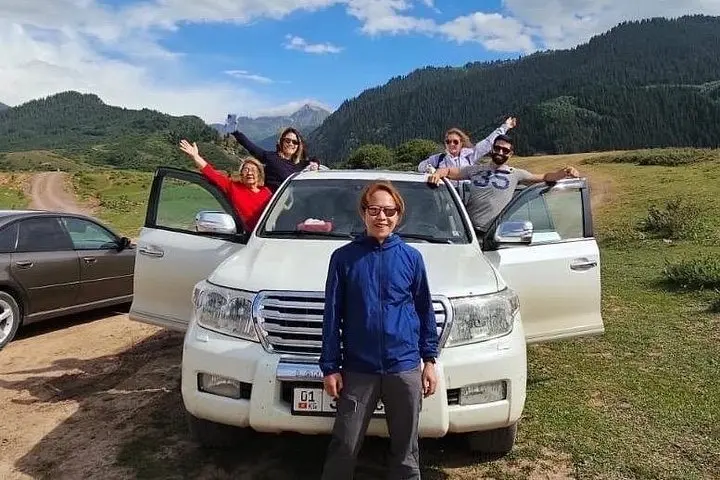
A wind off the high Tien Shan pushes across the steppe as your minivan climbs toward a pass; the road tightens, rocks lean in like curious spectators and the horizon opens to Son Kol’s blue mirror at 3,000 m. From Bishkek’s tree-lined avenues to yurt camps under wide sky, this 10-day circuit turns the country’s contrasts—glacial gorges, red canyons, and high alpine lakes—into a single, coherent route.
Verified experiences and guided adventures in the surrounding area.
Operated by Atlas.kg · Bishkek, Chuy Region
A wind off the high Tien Shan pushes across the steppe as your minivan climbs toward a pass; the road tightens, rocks lean in like curious spectators and the horizon opens to Son Kol’s blue mirror at 3,000 m. From Bishkek’s tree-lined avenues to yurt camps under wide sky, this 10-day circuit turns the country’s contrasts—glacial gorges, red canyons, and high alpine lakes—into a single, coherent route.
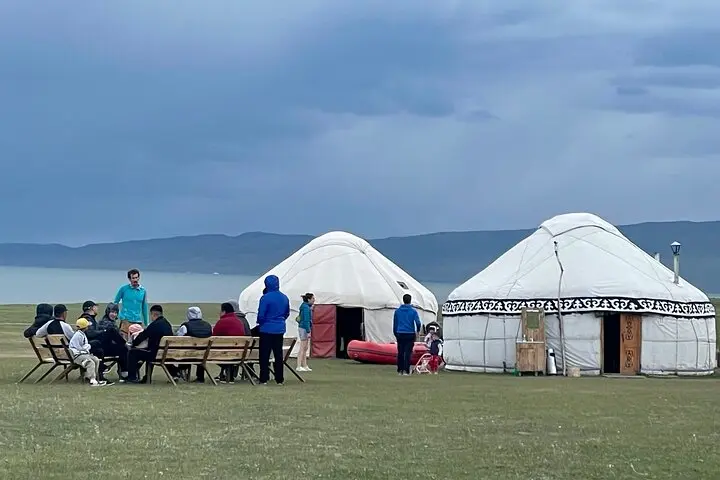
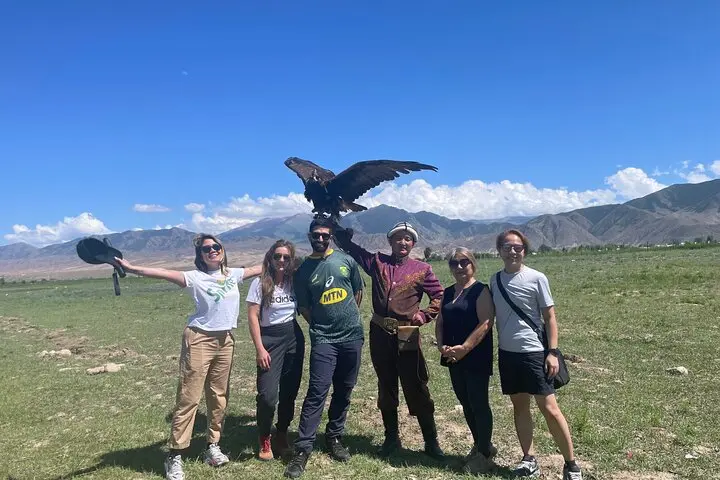
The tour threads through a layered history: Burana’s 11th-century minaret and the stone caravanserai of Tash Rabat recall the Silk Road’s caravan rhythms. Geologically, the Tien Shan range is young and sharp—folded limestone and granite produce serrated ridgelines and deep river-cut canyons. Culturally the trip centers on nomad life: yurt assembly demonstrations, felt workshops, eagle falconry and horse-riding that reveal practical traditions still lived today.
Expect daily drives with multiple short hikes or optional horseback rides (2–3 hours common), village homestays and nights in yurt camps. Trails vary from gentle alpine meadows to rocky passes above 3,000 m—altitude and weather are the real challenges; the landscape demands layered clothing and steady footing.
Practical notes: carry water and snacks on long drives, allow a day to acclimatize, and bring cash for village markets and tips. Respect grazing lands, ask before photographing people, and budget extra time for photo stops: every valley offers a different light and reason to pause.
Most hikes are short to moderate (1–3 hours) on uneven terrain; there are no technical climbs, but altitude and rocky surfaces require sure footing.
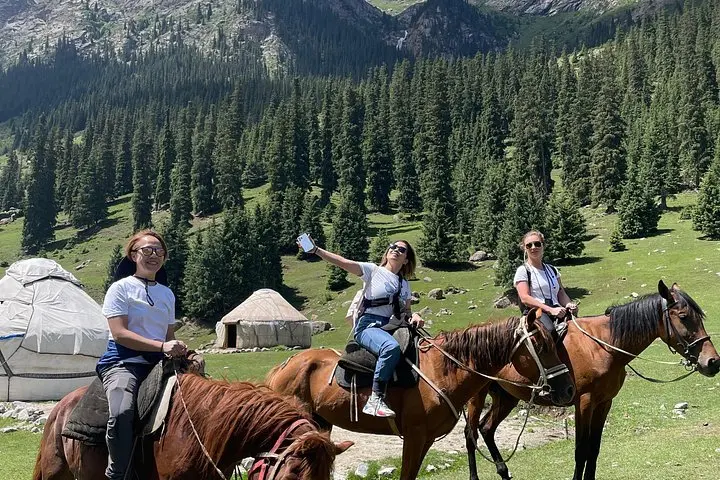
Horse riding is optional on several days (Son Kol, Jyrgalan); basic riding ability is useful but guides provide local horses and short instruction.
Some stops exceed 3,000 m—symptoms can include headache and fatigue; drink water, avoid heavy exertion on arrival and notify guides if you feel unwell.
The itinerary notes it’s suitable for most fitness levels, but long drives, high passes and limited medical access mean it’s not recommended for very young children or pregnant travelers.
Atlas.kg operates guided outdoor trips and adventures with an emphasis on safety, stewardship, and memorable experiences.
A wind off the high Tien Shan pushes across the steppe as your minivan climbs toward a pass; the road tightens, rocks lean in like curious spectators and the horizon opens to Son Kol’s blue mirror at 3,000 m. From Bishkek’s tree-lined avenues to yurt camps under wide sky, this 10-day circuit turns the country’s contrasts—glacial gorges, red canyons, and high alpine lakes—into a single, coherent route.
A wind off the high Tien Shan pushes across the steppe as your minivan climbs toward a pass; the road tightens, rocks lean in like curious spectators and the horizon opens to Son Kol’s blue mirror at 3,000 m. From Bishkek’s tree-lined avenues to yurt camps under wide sky, this 10-day circuit turns the country’s contrasts—glacial gorges, red canyons, and high alpine lakes—into a single, coherent route.
The tour threads through a layered history: Burana’s 11th-century minaret and the stone caravanserai of Tash Rabat recall the Silk Road’s caravan rhythms. Geologically, the Tien Shan range is young and sharp—folded limestone and granite produce serrated ridgelines and deep river-cut canyons. Culturally the trip centers on nomad life: yurt assembly demonstrations, felt workshops, eagle falconry and horse-riding that reveal practical traditions still lived today.
Expect daily drives with multiple short hikes or optional horseback rides (2–3 hours common), village homestays and nights in yurt camps. Trails vary from gentle alpine meadows to rocky passes above 3,000 m—altitude and weather are the real challenges; the landscape demands layered clothing and steady footing.
Practical notes: carry water and snacks on long drives, allow a day to acclimatize, and bring cash for village markets and tips. Respect grazing lands, ask before photographing people, and budget extra time for photo stops: every valley offers a different light and reason to pause.