THE ADVENTURE COLLECTIVE® · Independent discovery and booking for outdoor travel

A manageable 10-day trek that climbs from Syabrubesi into Langtang National Park, finishing at Kyanjin Gompa beneath the sweep of Langtang Lirung. Expect teahouse nights, close mountain views, and culturally rich Tamang villages.
A manageable 10-day trek that climbs from Syabrubesi into Langtang National Park, finishing at Kyanjin Gompa beneath the sweep of Langtang Lirung. Expect teahouse nights, close mountain views, and culturally rich Tamang villages.
You step off the jeep at Syabrubesi and the road noise drops behind you like a closed door.
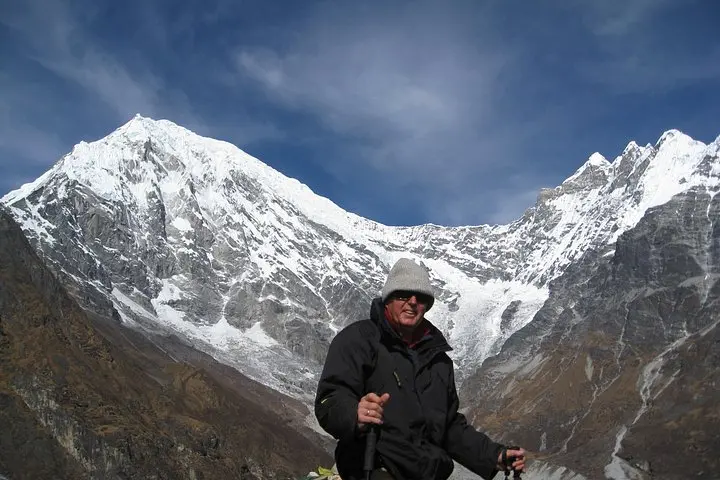
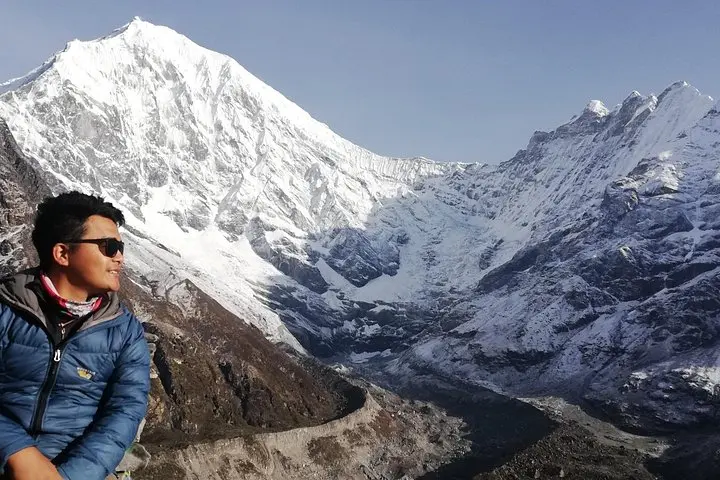
The path climbs through river-cut terraces, rhododendron groves, and stone-built Tamang villages; each bend in the trail offers a new frame for Langtang Lirung’s massive face.
Verified experiences and guided adventures in the surrounding area.
Operated by Annapurna Foothills Treks Expedition Pvt. Ltd. · Syabrubesi, Bagmati Province
You step off the jeep at Syabrubesi and the road noise drops behind you like a closed door.
The path climbs through river-cut terraces, rhododendron groves, and stone-built Tamang villages; each bend in the trail offers a new frame for Langtang Lirung’s massive face.
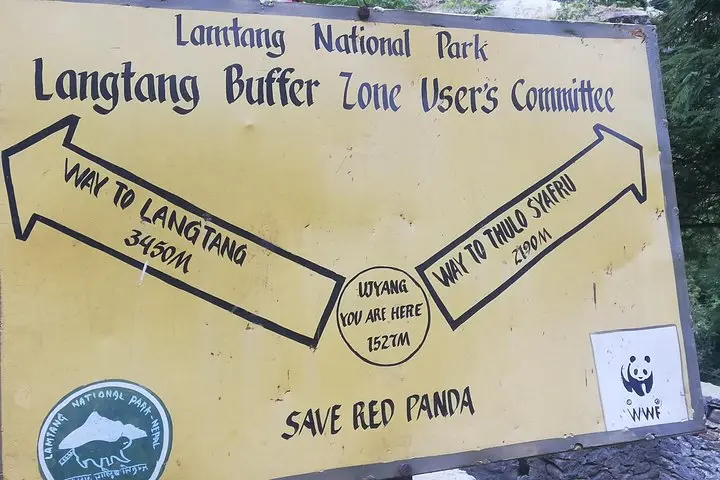
This ten-day trek moves steadily from humid foothills into the dry, open bowl around Langtang (3,430 m) and finally to Kyanjin Gompa (3,870 m), where a small 600-year-old monastery anchors local life.
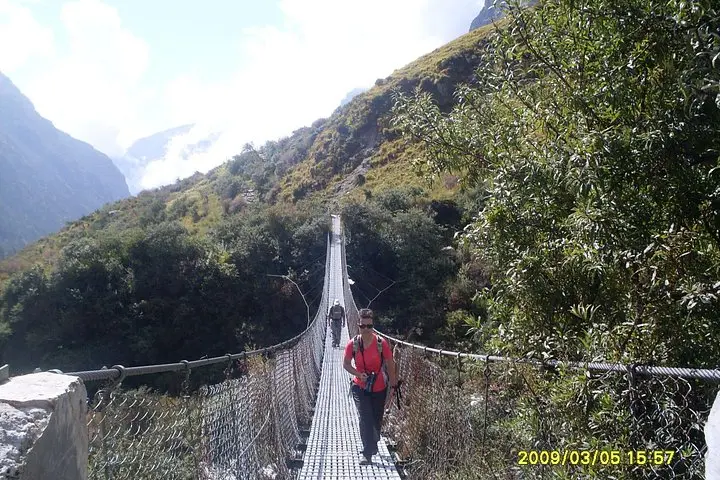
Geologically the valley is carved by glaciers and fed by steep moraines; the lower trails weave beside tributaries and cross wooden suspension bridges, while higher ground opens to moraine fields and rocky ridgelines. Culturally the route is dominated by Buddhist Tamang and Sherpa communities — prayer wheels, mani stones and small gumbas mark the trail and remind trekkers to pass respectfully.
Expect teahouse accommodation, simple hot meals, and walking days of 4–6 hours that prioritize acclimatization over speed. A rest day at Kyanjin allows short excursions: climb Kyanjin Ri or a scramble toward Tserko Ri for 270-degree panoramas of glaciers and neighboring 5,000–7,200 m peaks.
Practical guidance: bring layered clothing for large temperature swings, a water purification method, and sturdy midweight boots for mixed dirt, rock, and occasional snow. Move deliberately at altitude, drink frequently, and follow your guide’s pacing.
The Langtang Valley is intimate rather than crowded — expect direct encounters with local families, close-up mountain faces, and a trek that balances challenge with deep-on-the-trail rewards.
No technical prior experience is required, but previous multi-day hikes and good cardiovascular fitness make acclimatization easier.
Teahouse/guesthouse twin-share rooms with basic beds and communal dining — expect simple but hygienic meals included during the trek.
October–mid-December and March–May offer the most stable weather and visibility, though winter months are quieter if you can handle cold temperatures.
Yes — Langtang National Park fees and TIMS permits are typically included in organized package itineraries.
Annapurna Foothills Treks Expedition Pvt. Ltd. operates guided outdoor trips and adventures with an emphasis on safety, stewardship, and memorable experiences.
You step off the jeep at Syabrubesi and the road noise drops behind you like a closed door.
The path climbs through river-cut terraces, rhododendron groves, and stone-built Tamang villages; each bend in the trail offers a new frame for Langtang Lirung’s massive face.
You step off the jeep at Syabrubesi and the road noise drops behind you like a closed door.
The path climbs through river-cut terraces, rhododendron groves, and stone-built Tamang villages; each bend in the trail offers a new frame for Langtang Lirung’s massive face.
This ten-day trek moves steadily from humid foothills into the dry, open bowl around Langtang (3,430 m) and finally to Kyanjin Gompa (3,870 m), where a small 600-year-old monastery anchors local life.
Geologically the valley is carved by glaciers and fed by steep moraines; the lower trails weave beside tributaries and cross wooden suspension bridges, while higher ground opens to moraine fields and rocky ridgelines. Culturally the route is dominated by Buddhist Tamang and Sherpa communities — prayer wheels, mani stones and small gumbas mark the trail and remind trekkers to pass respectfully.
Expect teahouse accommodation, simple hot meals, and walking days of 4–6 hours that prioritize acclimatization over speed. A rest day at Kyanjin allows short excursions: climb Kyanjin Ri or a scramble toward Tserko Ri for 270-degree panoramas of glaciers and neighboring 5,000–7,200 m peaks.
Practical guidance: bring layered clothing for large temperature swings, a water purification method, and sturdy midweight boots for mixed dirt, rock, and occasional snow. Move deliberately at altitude, drink frequently, and follow your guide’s pacing.
The Langtang Valley is intimate rather than crowded — expect direct encounters with local families, close-up mountain faces, and a trek that balances challenge with deep-on-the-trail rewards.