THE ADVENTURE COLLECTIVE® · Independent discovery and booking for outdoor travel

A 10-day circuit from Lima’s colonial streets to high-Andean peaks, this trip blends cultural sites, desert thrills and iconic Machu Picchu access. Expect early mornings, altitude hikes and a mix of trains, buses and guided walks.
A 10-day circuit from Lima’s colonial streets to high-Andean peaks, this trip blends cultural sites, desert thrills and iconic Machu Picchu access. Expect early mornings, altitude hikes and a mix of trains, buses and guided walks.
You step off the bus and the air feels different — thinner, mineral-laced, carrying the rush of river canyons and city bustle. Over ten days this itinerary moves quickly: the colonial plazas of Lima, the wind-swept dunes at Huacachina, the Nazca overflight, then up into the high Andes where Cusco becomes your base for Humantay Lagoon, Rainbow Mountain, the Sacred Valley and Machu Picchu.
Verified experiences and guided adventures in the surrounding area.
Operated by Chullos Travel Peru · Cusco, Cusco
You step off the bus and the air feels different — thinner, mineral-laced, carrying the rush of river canyons and city bustle. Over ten days this itinerary moves quickly: the colonial plazas of Lima, the wind-swept dunes at Huacachina, the Nazca overflight, then up into the high Andes where Cusco becomes your base for Humantay Lagoon, Rainbow Mountain, the Sacred Valley and Machu Picchu.
Geology here reads like a layered book: coastal deserts sculpted by Pacific winds, then uplifted volcanic and sedimentary rocks folded into the Andes. Inca stonework and terraces are an engineering footnote to that terrain — agriculture adapted to microclimates at Moray and salt pans at Maras. Centuries of Quechua culture remain visible in markets, textiles and rituals around water and earth.
Expect early mornings, long drives, and short high-altitude hikes: Humantay’s trail (roughly 2 hours ascent) and the Rainbow Mountain hike (2–3 hours) demand steady breathing. Machu Picchu includes a 2–3 hour guided circuit plus free time; ticket circuits are assigned by the Ministry of Culture and control visitor flow.
Practical edge: acclimatize in Cusco, hydrate more than usual, carry layers for intense sun and sudden mountain cold, and budget time for transfers — trains and buses have set schedules. Bring cash for small purchases in markets and salt mines. If Machu Picchu tickets are unavailable for certain circuits, operators must refund accordingly; confirm ticket type well before departure.
This is a trip of contrasts — desert to high peaks — paced for travelers who want cultural depth alongside physically engaging days.
No — tickets are controlled by Peru’s Ministry of Culture and operators buy available circuits; if tickets for selected circuits aren’t available you should receive a full refund for that portion.
Many sites are above 3,000 m; symptoms range from mild headache to nausea. Allow acclimatization time in Cusco, hydrate, avoid alcohol, and consider acetazolamide if advised by a physician.
Trains allow a standard piece of luggage and a small daypack; larger items may be limited — pack valuables and immediate necessities in your daypack.
The dry season (May–September) has the most stable weather in the highlands and clearer views for Machu Picchu and Rainbow Mountain.
Chullos Travel Peru operates guided outdoor trips and adventures with an emphasis on safety, stewardship, and memorable experiences.
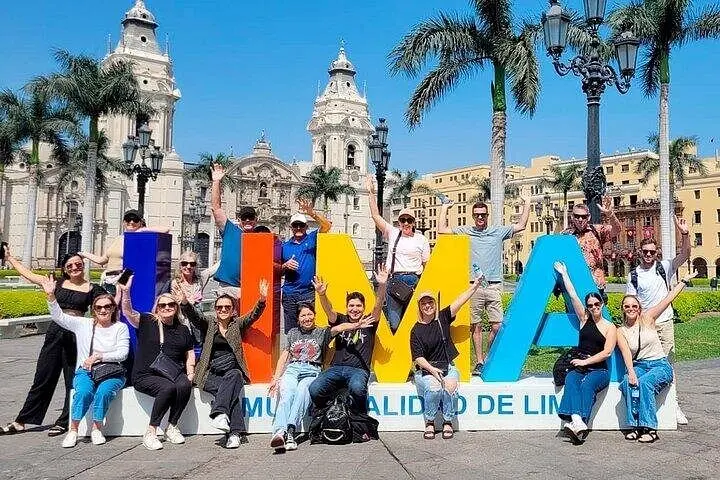
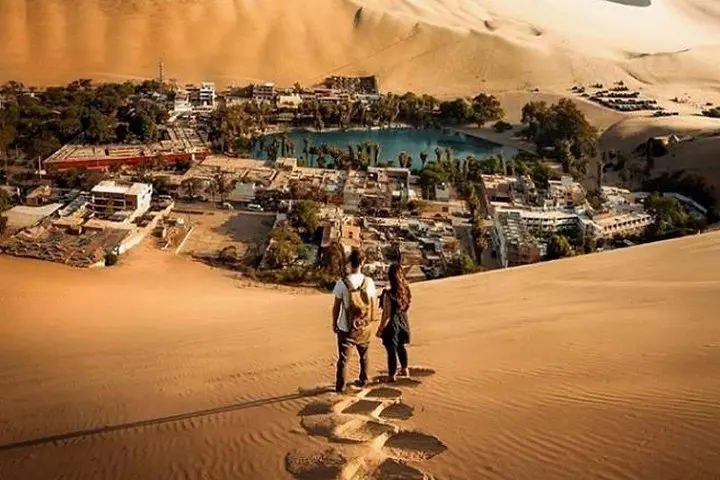
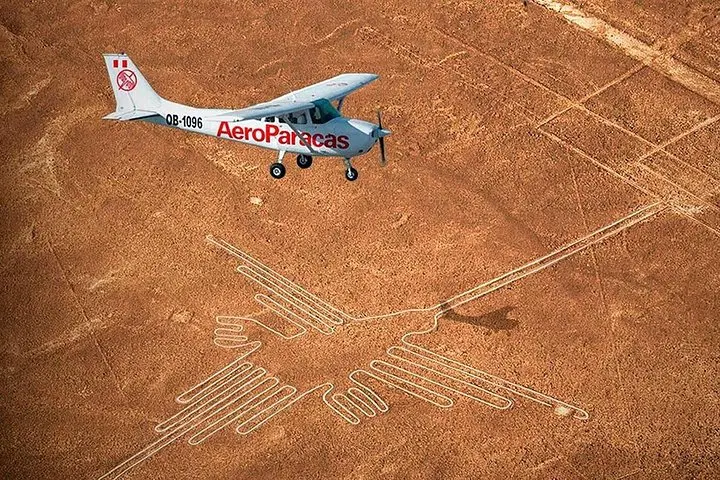
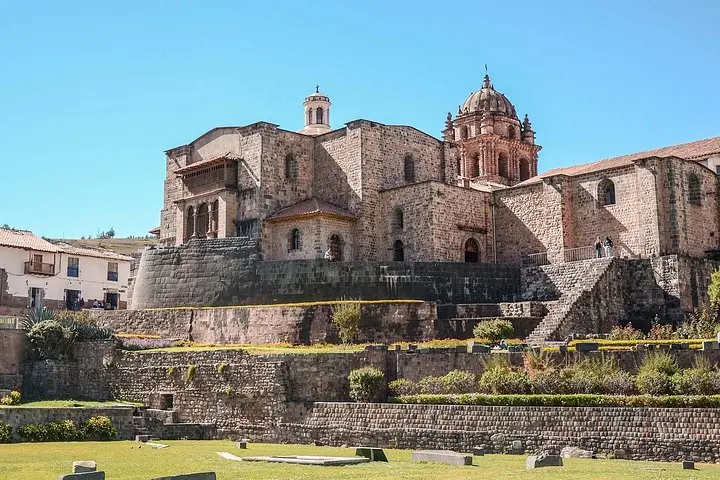
You step off the bus and the air feels different — thinner, mineral-laced, carrying the rush of river canyons and city bustle. Over ten days this itinerary moves quickly: the colonial plazas of Lima, the wind-swept dunes at Huacachina, the Nazca overflight, then up into the high Andes where Cusco becomes your base for Humantay Lagoon, Rainbow Mountain, the Sacred Valley and Machu Picchu.
You step off the bus and the air feels different — thinner, mineral-laced, carrying the rush of river canyons and city bustle. Over ten days this itinerary moves quickly: the colonial plazas of Lima, the wind-swept dunes at Huacachina, the Nazca overflight, then up into the high Andes where Cusco becomes your base for Humantay Lagoon, Rainbow Mountain, the Sacred Valley and Machu Picchu.
Geology here reads like a layered book: coastal deserts sculpted by Pacific winds, then uplifted volcanic and sedimentary rocks folded into the Andes. Inca stonework and terraces are an engineering footnote to that terrain — agriculture adapted to microclimates at Moray and salt pans at Maras. Centuries of Quechua culture remain visible in markets, textiles and rituals around water and earth.
Expect early mornings, long drives, and short high-altitude hikes: Humantay’s trail (roughly 2 hours ascent) and the Rainbow Mountain hike (2–3 hours) demand steady breathing. Machu Picchu includes a 2–3 hour guided circuit plus free time; ticket circuits are assigned by the Ministry of Culture and control visitor flow.
Practical edge: acclimatize in Cusco, hydrate more than usual, carry layers for intense sun and sudden mountain cold, and budget time for transfers — trains and buses have set schedules. Bring cash for small purchases in markets and salt mines. If Machu Picchu tickets are unavailable for certain circuits, operators must refund accordingly; confirm ticket type well before departure.
This is a trip of contrasts — desert to high peaks — paced for travelers who want cultural depth alongside physically engaging days.