THE ADVENTURE COLLECTIVE® · Independent discovery and booking for outdoor travel

A ten-day private route that stitches Switzerland, France, Germany and Italy into one seamless luxury drive: mountain viewpoints, medieval villages, vineyard terraces and lakeside promenades. Expect curated cultural stops, private transport in a Mercedes, and the flexibility to customize every day.
A ten-day private route that stitches Switzerland, France, Germany and Italy into one seamless luxury drive: mountain viewpoints, medieval villages, vineyard terraces and lakeside promenades. Expect curated cultural stops, private transport in a Mercedes, and the flexibility to customize every day.
The Mercedes slides out of Zurich’s hotel porte-cochère as the city exhales under a pale Alpine sun. You push your weathered carry-on into the trunk and glance at the Limmat, which pulls the city’s rooftops toward the distant ridgeline like a steady current daring you to cross. Over the next ten days a private driver, a curated route, and a string of small towns will redraw the map of what a European road trip can feel like: deliberate, comfortable, and threaded with unexpected panoramas.
Verified experiences and guided adventures in the surrounding area.
Operated by Sierra Luxury Services · Zurich, Zurich
The Mercedes slides out of Zurich’s hotel porte-cochère as the city exhales under a pale Alpine sun. You push your weathered carry-on into the trunk and glance at the Limmat, which pulls the city’s rooftops toward the distant ridgeline like a steady current daring you to cross. Over the next ten days a private driver, a curated route, and a string of small towns will redraw the map of what a European road trip can feel like: deliberate, comfortable, and threaded with unexpected panoramas.
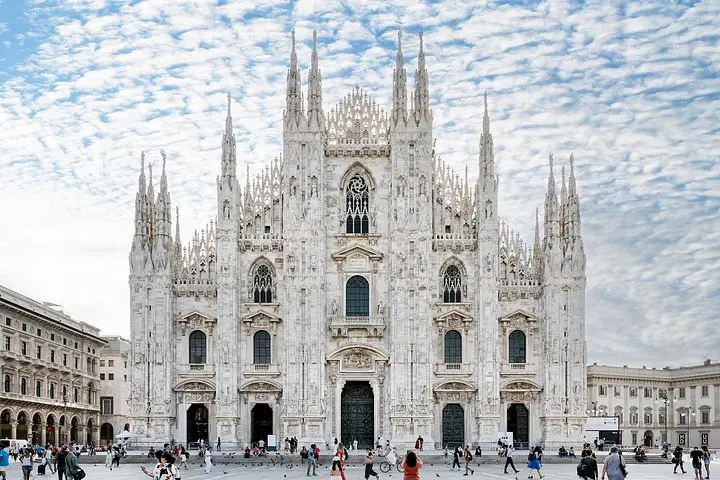
Start in Zurich’s medieval core — Münsterbrücke frames Grossmünster and Fraumünster like two chapters of the city’s Reformation-era history — then climb by cable car to Felsenegg (≈800 m) for a top-down view of the lake and the Alps. The itinerary reads like a postcard collection: Triberg’s waterfalls in the Black Forest (total drop ~163 m), the half-timbered villages of Alsace (Eguisheim and Colmar), the cheese caves and castle of Gruyères, the terraced vineyards of Lavaux above Lake Geneva, and the glittering promenades of Lake Como and Milan.
Geology and culture run side by side here. The Alps are an active actor: glacially carved basins hold Lake Geneva and Lake Como; ancient moraines and limestone outcrops shape village alleys and vineyard rows. Alsace’s vineyards are planted on gentle, heat-retaining slopes left by sedimentary terraces, which in autumn ripen the grapes that made this region famous. Centuries of trade and border shifts—Roman roads, medieval dukedoms, modern nation-states—have left a patchwork of architectural styles and culinary hybrids: Swiss fondue and Gruyère, French Alsatian wines, German cuckoo-clock craft, and Italian lakeside espresso.
Practical side: daily drives vary from short transfers (Zurich to Felsenegg 30–45 minutes plus cable car) to longer country crossings (Montreux–Milan 3–4 hours with stops). Expect cobbled streets and steps in medieval villages—sturdy walking shoes are non-negotiable. Book the Last Supper in Milan well in advance; the tour notes this as a timed-entry highlight. Mobility: the service lists wheelchair-accessible options and hotel lobby pickups, but historic sites often have uneven surfaces.
Timing matters. Early mornings in Lavaux and late afternoons on Lake Como give the most flattering light and thinner crowds. Bring layers: alpine mornings are crisp even in summer, and ferry decks get breezy. Hydrate between tastings—Swiss and French waters are excellent, but altitude and travel length can sneak up on you.
This is a tour built for slow looking: savor a cheese-making demo in Gruyères, walk a vineyard terrace, watch the lake reflect a mountain’s shadow as the day folds into a quiet dinner. It’s luxury travel that still asks you to move—on foot, on ferry, on a short cable car ride—and rewards you with the sort of details a postcard can’t carry.
The vehicle and many hotels are wheelchair accessible, but historic sites often have uneven surfaces—notify the operator of mobility needs so they can tailor stops.
Yes—this is a private tour and the operator allows adjustments, extra nights, or alternate stops upon request.
Standard inclusions focus on transport and concierge service; meals are generally at your own expense unless a specific tasting or lunch is noted.
Visa requirements depend on your nationality; Schengen rules cover these countries—check your status well before travel.
Switzerland uses Swiss francs (CHF); France and Germany and Italy use euros (EUR). Cards work widely but carry small notes for remote shops.
For Leonardo’s Last Supper and other limited-entry sites, book several weeks to months ahead—peak season fills quickly.
Sierra Luxury Services operates guided outdoor trips and adventures with an emphasis on safety, stewardship, and memorable experiences.
The Mercedes slides out of Zurich’s hotel porte-cochère as the city exhales under a pale Alpine sun. You push your weathered carry-on into the trunk and glance at the Limmat, which pulls the city’s rooftops toward the distant ridgeline like a steady current daring you to cross. Over the next ten days a private driver, a curated route, and a string of small towns will redraw the map of what a European road trip can feel like: deliberate, comfortable, and threaded with unexpected panoramas.
The Mercedes slides out of Zurich’s hotel porte-cochère as the city exhales under a pale Alpine sun. You push your weathered carry-on into the trunk and glance at the Limmat, which pulls the city’s rooftops toward the distant ridgeline like a steady current daring you to cross. Over the next ten days a private driver, a curated route, and a string of small towns will redraw the map of what a European road trip can feel like: deliberate, comfortable, and threaded with unexpected panoramas.
Start in Zurich’s medieval core — Münsterbrücke frames Grossmünster and Fraumünster like two chapters of the city’s Reformation-era history — then climb by cable car to Felsenegg (≈800 m) for a top-down view of the lake and the Alps. The itinerary reads like a postcard collection: Triberg’s waterfalls in the Black Forest (total drop ~163 m), the half-timbered villages of Alsace (Eguisheim and Colmar), the cheese caves and castle of Gruyères, the terraced vineyards of Lavaux above Lake Geneva, and the glittering promenades of Lake Como and Milan.
Geology and culture run side by side here. The Alps are an active actor: glacially carved basins hold Lake Geneva and Lake Como; ancient moraines and limestone outcrops shape village alleys and vineyard rows. Alsace’s vineyards are planted on gentle, heat-retaining slopes left by sedimentary terraces, which in autumn ripen the grapes that made this region famous. Centuries of trade and border shifts—Roman roads, medieval dukedoms, modern nation-states—have left a patchwork of architectural styles and culinary hybrids: Swiss fondue and Gruyère, French Alsatian wines, German cuckoo-clock craft, and Italian lakeside espresso.
Practical side: daily drives vary from short transfers (Zurich to Felsenegg 30–45 minutes plus cable car) to longer country crossings (Montreux–Milan 3–4 hours with stops). Expect cobbled streets and steps in medieval villages—sturdy walking shoes are non-negotiable. Book the Last Supper in Milan well in advance; the tour notes this as a timed-entry highlight. Mobility: the service lists wheelchair-accessible options and hotel lobby pickups, but historic sites often have uneven surfaces.
Timing matters. Early mornings in Lavaux and late afternoons on Lake Como give the most flattering light and thinner crowds. Bring layers: alpine mornings are crisp even in summer, and ferry decks get breezy. Hydrate between tastings—Swiss and French waters are excellent, but altitude and travel length can sneak up on you.
This is a tour built for slow looking: savor a cheese-making demo in Gruyères, walk a vineyard terrace, watch the lake reflect a mountain’s shadow as the day folds into a quiet dinner. It’s luxury travel that still asks you to move—on foot, on ferry, on a short cable car ride—and rewards you with the sort of details a postcard can’t carry.