THE ADVENTURE COLLECTIVE® · Independent discovery and booking for outdoor travel

Cross medieval medinas, ride camels over towering Erg Chebbi dunes, and drive alpine passes between ancient kasbahs on this private 10-day Morocco loop. Expect long scenic drives, cultural deep dives in Fez and Marrakech, and a true desert night under the stars.
Cross medieval medinas, ride camels over towering Erg Chebbi dunes, and drive alpine passes between ancient kasbahs on this private 10-day Morocco loop. Expect long scenic drives, cultural deep dives in Fez and Marrakech, and a true desert night under the stars.
You step out of the van at dusk and the Sahara greets you with a curved horizon of gold—dunes that seem to breathe as the wind redraws their faces. That first night, a nomad camp offers coffee, a Berber drum, and a sky so thick with stars the city lights of Casablanca feel a world away. Over ten days you move between contrasts: ocean-facing modernity, labyrinthe medinas, cedar forests of the Middle Atlas, and the raw, geological theater of the High Atlas and Erg Chebbi dunes.
Verified experiences and guided adventures in the surrounding area.
Operated by Luxury Travel Desert · Casablanca, Casablanca-Settat
You step out of the van at dusk and the Sahara greets you with a curved horizon of gold—dunes that seem to breathe as the wind redraws their faces. That first night, a nomad camp offers coffee, a Berber drum, and a sky so thick with stars the city lights of Casablanca feel a world away. Over ten days you move between contrasts: ocean-facing modernity, labyrinthe medinas, cedar forests of the Middle Atlas, and the raw, geological theater of the High Atlas and Erg Chebbi dunes.
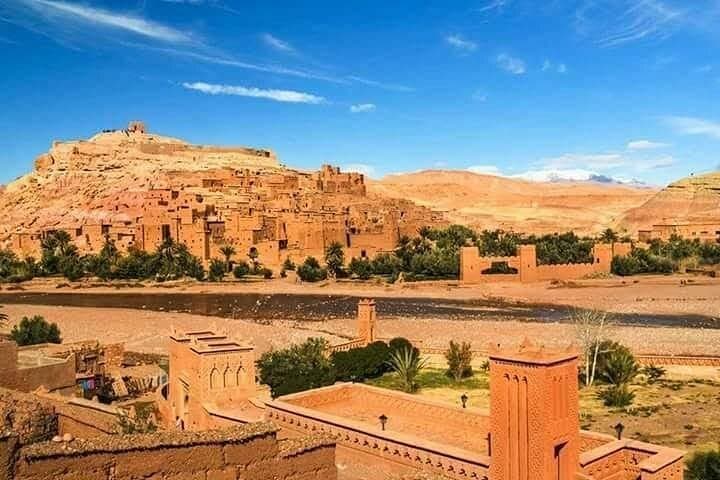
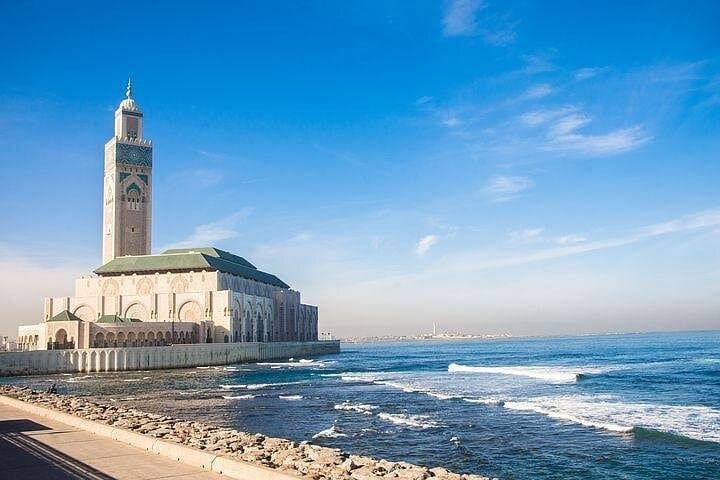
The route threads Morocco's story. Casablanca and Rabat show French colonial planning and 20th-century Art Deco beside Hassan II mosque's ocean-edge sweep. Meknes and Fez are living chapters of the medieval sultanates; their fortified walls, royal gates, and medrassas recall the Almohad and Marinid eras. The mud-brick kasbahs of Ait Benhaddou are earthen architecture—clay and straw that shift color with the sun—while Todgha Gorge exposes limestone walls carved by ancient rivers. Geologically the trip is a primer: sedimentary plates high-creased into the Atlas, alluvial plains, and wind-built sand seas where dunes crest as tall as 150 meters in Erg Chabbi.
Culture arrives close: walking the tanneries of Fez, barter in Marrakech's Jamaa el Fna, or sharing tagine with a family after a cooking class. In the Rif Mountains, Akchour's waterfalls push cool air down the ravines; in Berber villages, rose-growing valleys hum with seasonal distillation. Guides are not just drivers—they're translators between environments and customs, flagging appropriate etiquette in souks and explaining mosque access rules.
Practically, expect long drives and varied terrain. Several days include 5–8 hour transfers over highways and mountain passes (Tizi n'Tichka reaches about 2,260 m). Desert travel includes off-road tracks and a camel or 4x4 crossing to the camp; plan for sand, sun, and cold nights. Pack for big temperature swings: lightweight layers for daytime sightseeing and warm insulation after sunset. Good walking shoes are essential for medina cobbles and short hikes to waterfalls and gorges.
Timing matters: dawn on the dunes and sunset at Ait Benhaddou are the moments that repay an early alarm. Hydration, sunscreen, and a small daypack make every photographic stop easier; leave room in your schedule for spontaneous souk discoveries and the slow pace of remote villages. For modern comforts, this private, adjustable itinerary includes riad and hotel nights and a luxury desert camp with private facilities—so you get both the roughness of the landscape and the practical comforts travelers rely on.
Carry small denominations of Moroccan dirhams for markets, tips, and remote stops; many hotels and restaurants accept cards but remote villages and vendors often do not.
The tour is moderate: you should be comfortable with short hikes, walking on uneven surfaces, and getting on and off a camel for short rides.
Accommodation includes riads and hotels for nine nights plus an overnight in a luxury desert camp with private restroom and hot shower options.
Camel treks to the camp are short to moderate—typically an hour or two; an alternative 4x4 transfer is available for those who prefer not to ride.
Breakfast is included most days, plus select dinners including the desert camp meal; check the itinerary for exact inclusions and any special dietary requests.
Yes, this private tour can be tailored to departure point, travel pace, and special interests—discuss changes with your operator before booking.
Luxury Travel Desert operates guided outdoor trips and adventures with an emphasis on safety, stewardship, and memorable experiences.
You step out of the van at dusk and the Sahara greets you with a curved horizon of gold—dunes that seem to breathe as the wind redraws their faces. That first night, a nomad camp offers coffee, a Berber drum, and a sky so thick with stars the city lights of Casablanca feel a world away. Over ten days you move between contrasts: ocean-facing modernity, labyrinthe medinas, cedar forests of the Middle Atlas, and the raw, geological theater of the High Atlas and Erg Chebbi dunes.
You step out of the van at dusk and the Sahara greets you with a curved horizon of gold—dunes that seem to breathe as the wind redraws their faces. That first night, a nomad camp offers coffee, a Berber drum, and a sky so thick with stars the city lights of Casablanca feel a world away. Over ten days you move between contrasts: ocean-facing modernity, labyrinthe medinas, cedar forests of the Middle Atlas, and the raw, geological theater of the High Atlas and Erg Chebbi dunes.
The route threads Morocco's story. Casablanca and Rabat show French colonial planning and 20th-century Art Deco beside Hassan II mosque's ocean-edge sweep. Meknes and Fez are living chapters of the medieval sultanates; their fortified walls, royal gates, and medrassas recall the Almohad and Marinid eras. The mud-brick kasbahs of Ait Benhaddou are earthen architecture—clay and straw that shift color with the sun—while Todgha Gorge exposes limestone walls carved by ancient rivers. Geologically the trip is a primer: sedimentary plates high-creased into the Atlas, alluvial plains, and wind-built sand seas where dunes crest as tall as 150 meters in Erg Chabbi.
Culture arrives close: walking the tanneries of Fez, barter in Marrakech's Jamaa el Fna, or sharing tagine with a family after a cooking class. In the Rif Mountains, Akchour's waterfalls push cool air down the ravines; in Berber villages, rose-growing valleys hum with seasonal distillation. Guides are not just drivers—they're translators between environments and customs, flagging appropriate etiquette in souks and explaining mosque access rules.
Practically, expect long drives and varied terrain. Several days include 5–8 hour transfers over highways and mountain passes (Tizi n'Tichka reaches about 2,260 m). Desert travel includes off-road tracks and a camel or 4x4 crossing to the camp; plan for sand, sun, and cold nights. Pack for big temperature swings: lightweight layers for daytime sightseeing and warm insulation after sunset. Good walking shoes are essential for medina cobbles and short hikes to waterfalls and gorges.
Timing matters: dawn on the dunes and sunset at Ait Benhaddou are the moments that repay an early alarm. Hydration, sunscreen, and a small daypack make every photographic stop easier; leave room in your schedule for spontaneous souk discoveries and the slow pace of remote villages. For modern comforts, this private, adjustable itinerary includes riad and hotel nights and a luxury desert camp with private facilities—so you get both the roughness of the landscape and the practical comforts travelers rely on.