THE ADVENTURE COLLECTIVE® · Independent discovery and booking for outdoor travel

Trace Morocco’s dramatic transitions from Atlantic port to cedar forests, oases and the Sahara on a 10-day private loop from Casablanca. Expect imperial medinas, Aït Benhaddou’s mud‑brick citadel, camel treks at Erg Chebbi and nights under vast desert skies.
Trace Morocco’s dramatic transitions from Atlantic port to cedar forests, oases and the Sahara on a 10-day private loop from Casablanca. Expect imperial medinas, Aït Benhaddou’s mud‑brick citadel, camel treks at Erg Chebbi and nights under vast desert skies.
A pale dawn over Casablanca dissolves into a ribbon of highway as the tour departs the Atlantic coast and pushes inland toward the Atlas Mountains. Windows frame terracotta towns, cedar forests, and then—like a different planet—dunes that rise and fall with the wind's will; the Sahara dares the traveler to climb its lips for sunset.
Verified experiences and guided adventures in the surrounding area.
Operated by Chez Ali Marrakech · Casablanca, Grand Casablanca
A pale dawn over Casablanca dissolves into a ribbon of highway as the tour departs the Atlantic coast and pushes inland toward the Atlas Mountains. Windows frame terracotta towns, cedar forests, and then—like a different planet—dunes that rise and fall with the wind's will; the Sahara dares the traveler to climb its lips for sunset.
The route threads Morocco's layered history: Roman mosaics at Volubilis, imperial façades in Meknes and Fes, and ksar architecture at Aït Benhaddou where mud-brick walls read like geological pages. In the Middle Atlas, cedar groves host Barbary macaques and mark a climatic break; further south, the Ziz Valley's palm oases reveal ancient irrigation and caravan-era trade routes that fed trans-Saharan commerce.
Culture arrives in markets and riads — souks where craftspeople shape leather and brass, and Khamlia villages where Gnawa music keeps ancestral rhythms alive. Nights vary: riads in medinas, a nomad-style camp under broad Saharan skies, and a hotel with valley views.
Practical guidance: pack layers for wide temperature swings, and expect long drives with frequent stops for photos and local visits. Camel rides cross soft sand; the camp experience is basic but authentic. Respect local customs in holy sites and the medina — modest dress and asking before photographs go far.
This loop is a traveler's primer on Morocco: geological contrast, living history, and hands-on cultural encounters, sewn together by steady road hours and unforgettable light on the dunes.
The tour notes wheelchair accessibility for some transfers, but terrain in medinas, dunes, and gorges can be uneven; discuss specific needs with the operator before booking.
Visa requirements depend on nationality—many countries have visa‑free entry for short stays, but a valid passport is always required; check with your consulate before travel.
Camel rides are gentle but can be uncomfortable for those with back problems; the trek is not technical and the camp involves basic facilities and walking on sand.
The tour includes breakfasts and nine dinners; restaurants and local meals on excursions may be arranged by the guide as noted in the itinerary.
Chez Ali Marrakech operates guided outdoor trips and adventures with an emphasis on safety, stewardship, and memorable experiences.
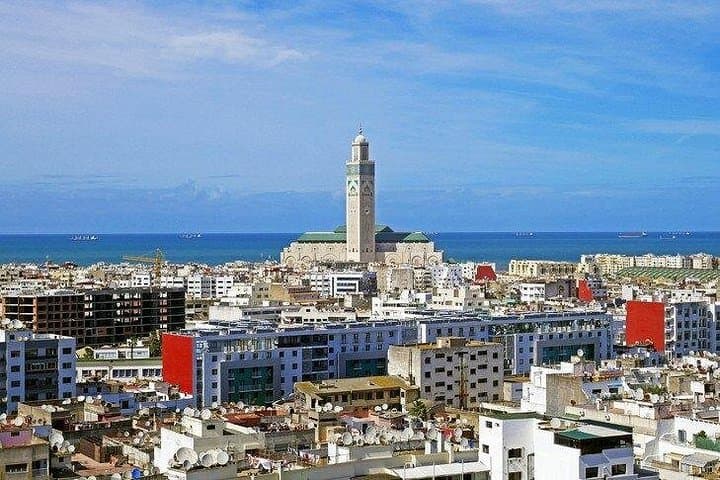

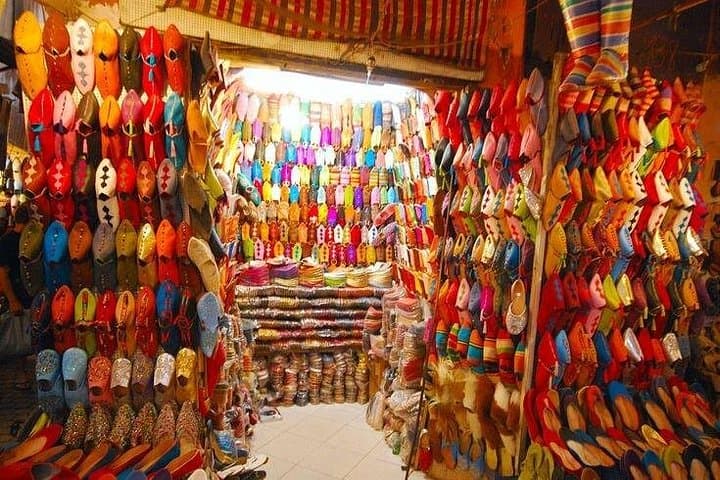

A pale dawn over Casablanca dissolves into a ribbon of highway as the tour departs the Atlantic coast and pushes inland toward the Atlas Mountains. Windows frame terracotta towns, cedar forests, and then—like a different planet—dunes that rise and fall with the wind's will; the Sahara dares the traveler to climb its lips for sunset.
A pale dawn over Casablanca dissolves into a ribbon of highway as the tour departs the Atlantic coast and pushes inland toward the Atlas Mountains. Windows frame terracotta towns, cedar forests, and then—like a different planet—dunes that rise and fall with the wind's will; the Sahara dares the traveler to climb its lips for sunset.
The route threads Morocco's layered history: Roman mosaics at Volubilis, imperial façades in Meknes and Fes, and ksar architecture at Aït Benhaddou where mud-brick walls read like geological pages. In the Middle Atlas, cedar groves host Barbary macaques and mark a climatic break; further south, the Ziz Valley's palm oases reveal ancient irrigation and caravan-era trade routes that fed trans-Saharan commerce.
Culture arrives in markets and riads — souks where craftspeople shape leather and brass, and Khamlia villages where Gnawa music keeps ancestral rhythms alive. Nights vary: riads in medinas, a nomad-style camp under broad Saharan skies, and a hotel with valley views.
Practical guidance: pack layers for wide temperature swings, and expect long drives with frequent stops for photos and local visits. Camel rides cross soft sand; the camp experience is basic but authentic. Respect local customs in holy sites and the medina — modest dress and asking before photographs go far.
This loop is a traveler's primer on Morocco: geological contrast, living history, and hands-on cultural encounters, sewn together by steady road hours and unforgettable light on the dunes.