THE ADVENTURE COLLECTIVE® · Independent discovery and booking for outdoor travel

Cross the High Atlas, sleep in a Berber desert camp, and walk ancient medinas on this 10-day Morocco circuit. From Marrakech’s souks to Fes’ medieval alleys, expect cinematic scenery and practical travel rhythms.
Cross the High Atlas, sleep in a Berber desert camp, and walk ancient medinas on this 10-day Morocco circuit. From Marrakech’s souks to Fes’ medieval alleys, expect cinematic scenery and practical travel rhythms.
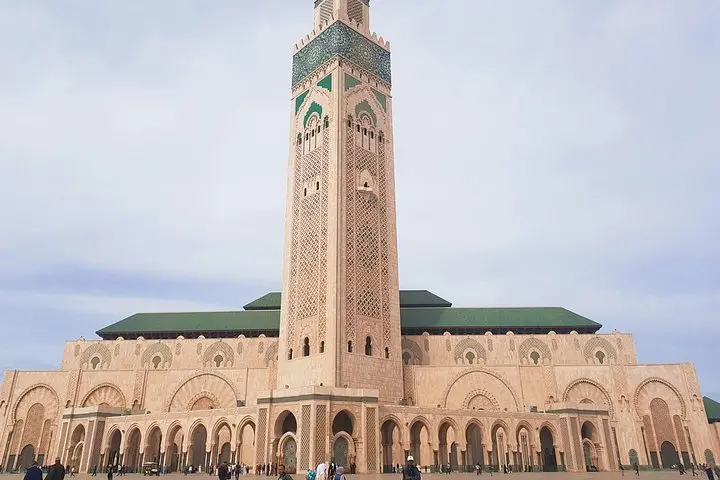
You crest the pass and the Atlas drops away: ochre kasbahs, a ribbon of road, and dunes that change color with the angle of the sun. The journey begins in Marrakech’s frenetic Jemaa el-Fnaa, then moves through a series of landscapes—rocky gorges, cedar forests, salt-streaked plateaus—until the Sahara opens like a living map.
Verified experiences and guided adventures in the surrounding area.
Operated by Best Tours Morocco · Marrakech, Marrakech-Safi
You crest the pass and the Atlas drops away: ochre kasbahs, a ribbon of road, and dunes that change color with the angle of the sun. The journey begins in Marrakech’s frenetic Jemaa el-Fnaa, then moves through a series of landscapes—rocky gorges, cedar forests, salt-streaked plateaus—until the Sahara opens like a living map.
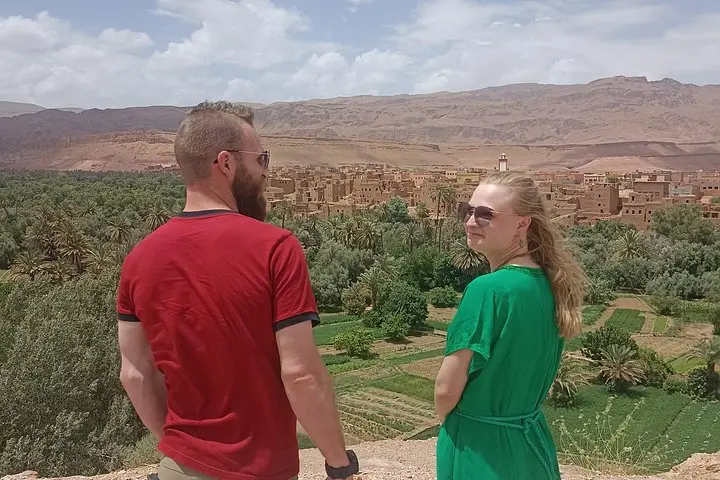
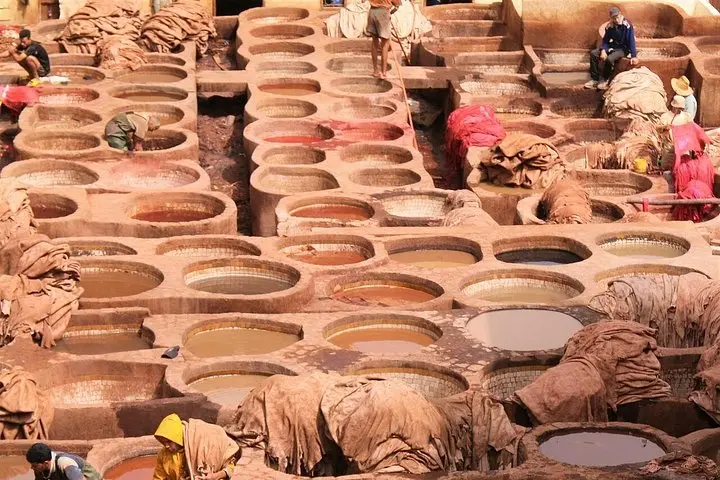
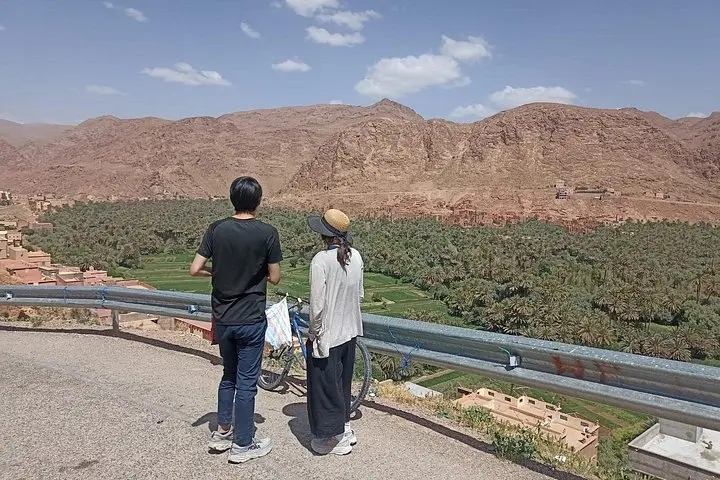
This route follows ancient caravan corridors and modern film routes. Ait Ben Haddou’s mudbrick ksar, used as a backdrop in international cinema, sits on older trade-line foundations; the Dades and Todra gorges cut into Jurassic-era limestone and reveal layered geology shaped by tectonic uplift. In Midelt and the Atlas foothills, Amazigh (Berber) culture remains audible—market calls, rug-making skills, and mountain agriculture—while Fes preserves a medieval medina where crafts and scholarship have endured for centuries.
Expect a mix of paced city walking, long scenic drives, and short active segments: camel treks into Merzouga’s dunes, short hikes in gorges, and market strolls in medinas. Nights alternate between riads, mountain hotels, and a desert camp under wide stars. Practicalities matter: be prepared for temperature swings between hot days and cool nights, dusty roads, and variable Wi‑Fi. Hydrate, protect skin, and carry local cash for souks. Choose comfortable shoes for cobbled alleys and a light layer for desert evenings.
This is a trip of contrasts—urban color, cinematic landscapes, and desert silence—designed for travelers who want cultural depth alongside straightforward adventure and reliable logistics.
Camels travel slowly and the ride is short—typically 1–3 hours—so basic balance and no severe mobility issues are required.
Yes; the itinerary includes riads, hotels, and a night in a desert camp or berber tent as listed in the trip details.
The tour is family-friendly and rated as physically easy to moderate, but long vehicle transfers and desert conditions may be tiring for very young children or travelers with serious health issues.
Guides commonly speak English and French; local vendors and some guides may use Arabic or Tamazight (Berber dialects).
Best Tours Morocco operates guided outdoor trips and adventures with an emphasis on safety, stewardship, and memorable experiences.
You crest the pass and the Atlas drops away: ochre kasbahs, a ribbon of road, and dunes that change color with the angle of the sun. The journey begins in Marrakech’s frenetic Jemaa el-Fnaa, then moves through a series of landscapes—rocky gorges, cedar forests, salt-streaked plateaus—until the Sahara opens like a living map.
You crest the pass and the Atlas drops away: ochre kasbahs, a ribbon of road, and dunes that change color with the angle of the sun. The journey begins in Marrakech’s frenetic Jemaa el-Fnaa, then moves through a series of landscapes—rocky gorges, cedar forests, salt-streaked plateaus—until the Sahara opens like a living map.
This route follows ancient caravan corridors and modern film routes. Ait Ben Haddou’s mudbrick ksar, used as a backdrop in international cinema, sits on older trade-line foundations; the Dades and Todra gorges cut into Jurassic-era limestone and reveal layered geology shaped by tectonic uplift. In Midelt and the Atlas foothills, Amazigh (Berber) culture remains audible—market calls, rug-making skills, and mountain agriculture—while Fes preserves a medieval medina where crafts and scholarship have endured for centuries.
Expect a mix of paced city walking, long scenic drives, and short active segments: camel treks into Merzouga’s dunes, short hikes in gorges, and market strolls in medinas. Nights alternate between riads, mountain hotels, and a desert camp under wide stars. Practicalities matter: be prepared for temperature swings between hot days and cool nights, dusty roads, and variable Wi‑Fi. Hydrate, protect skin, and carry local cash for souks. Choose comfortable shoes for cobbled alleys and a light layer for desert evenings.
This is a trip of contrasts—urban color, cinematic landscapes, and desert silence—designed for travelers who want cultural depth alongside straightforward adventure and reliable logistics.