THE ADVENTURE COLLECTIVE® · Independent discovery and booking for outdoor travel

A comprehensive 10-day loop from Windhoek to Sossusvlei, Swakopmund, Damaraland and Etosha that pairs dune-hikes, coastal birding and two days of game drives. Perfect for travelers who want a broad, lodge-based introduction to Namibia’s landscapes and cultures.
A comprehensive 10-day loop from Windhoek to Sossusvlei, Swakopmund, Damaraland and Etosha that pairs dune-hikes, coastal birding and two days of game drives. Perfect for travelers who want a broad, lodge-based introduction to Namibia’s landscapes and cultures.
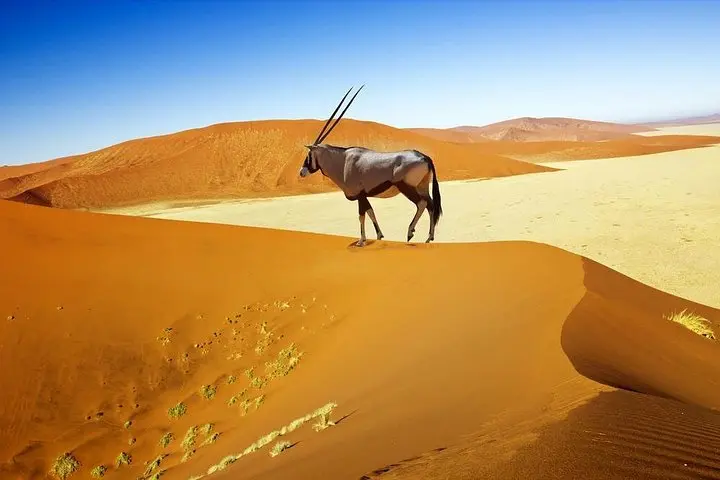
You step out of the Land Cruiser as dawn pulls color across the Namib dunes — sand sliding like slow fire under your boots. The cold of pre-dawn gives way to a dry warmth that the desert seems to offer deliberately, as if testing your attention to light and wind.
Verified experiences and guided adventures in the surrounding area.
Operated by Discovery Transfer and Tours Namibia · Windhoek, Khomas
You step out of the Land Cruiser as dawn pulls color across the Namib dunes — sand sliding like slow fire under your boots. The cold of pre-dawn gives way to a dry warmth that the desert seems to offer deliberately, as if testing your attention to light and wind.
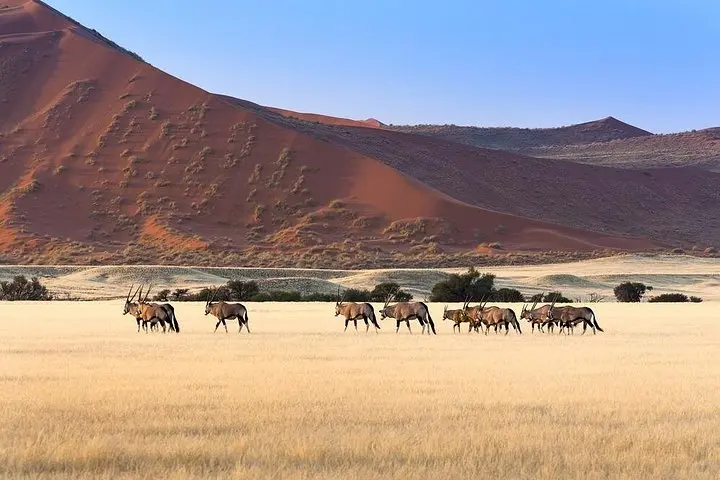
This 10-day route moves from Windhoek to Sossusvlei’s towering dunes and Dead Vlei, down to the cool Atlantic breeze at Walvis Bay and Swakopmund, across the fossil-marked plains of Damaraland and the ancient engravings at Twyfelfontein, finishing with game-focused drives in Etosha National Park.
Namibia’s landscape is geological reading: the Namib is one of the world’s oldest deserts, its orange dunes formed by millennia of wind and coastal sediments. Human history here ranges from San rock art at Twyfelfontein to the living traditions of the Himba and Damara peoples encountered along the route. Coastal bays host vast birdlife and Cape Cross’s seal colony marks the ocean’s stubborn claim.
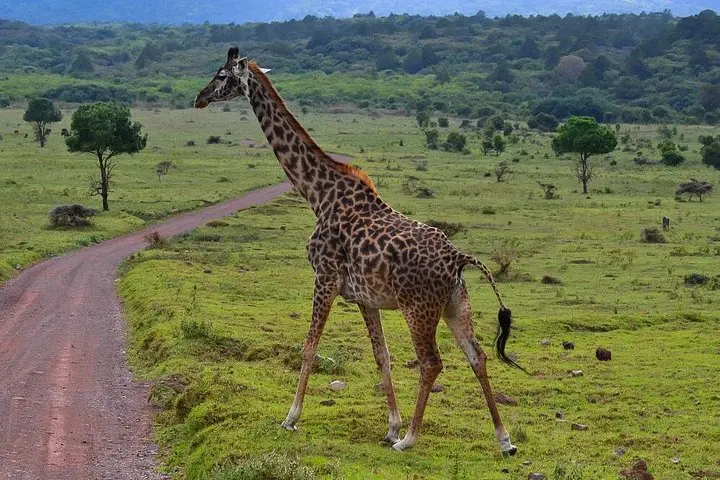
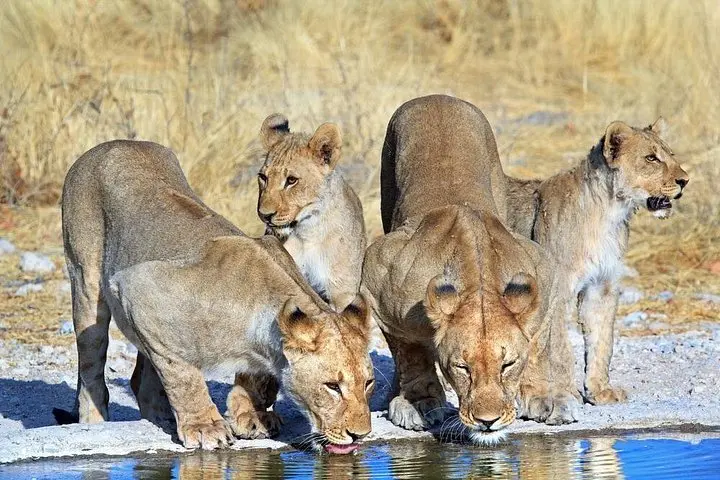
Expect long driving days broken by guided walks and focused wildlife viewing at Etosha’s waterholes. Guides balance cultural visits with respect for communities; photography etiquette and modest dress are requested in villages.
Practical guidance: travel light layers for strong diurnal swings, carry at least 3 liters of water daily, and keep skin protection handy — the sun is unrelenting. Early morning and late afternoon are the most productive wildlife windows; plan for dusty roads and modest lodge comforts rather than luxury remote services. Bring binoculars and patience: Namibia rewards observant travelers who move with the rhythm of its light and wildlife.
Many nationalities require a visa; check Namibia’s current entry requirements and ensure your passport has at least six months’ validity from arrival.
Yes — family-friendly, but long drives and early starts can be tiring; confirm age policies with the operator and plan rest days (Swakopmund offers flexibility).
Routine vaccinations are advised; consult a travel clinic for malaria prophylaxis in some regions and ensure tetanus and typhoid are up to date.
Tipping is customary: roughly $5–10 per person per day for the guide and modest amounts for lodge staff, adjusted by service quality.
Discovery Transfer and Tours Namibia operates guided outdoor trips and adventures with an emphasis on safety, stewardship, and memorable experiences.
You step out of the Land Cruiser as dawn pulls color across the Namib dunes — sand sliding like slow fire under your boots. The cold of pre-dawn gives way to a dry warmth that the desert seems to offer deliberately, as if testing your attention to light and wind.
You step out of the Land Cruiser as dawn pulls color across the Namib dunes — sand sliding like slow fire under your boots. The cold of pre-dawn gives way to a dry warmth that the desert seems to offer deliberately, as if testing your attention to light and wind.
This 10-day route moves from Windhoek to Sossusvlei’s towering dunes and Dead Vlei, down to the cool Atlantic breeze at Walvis Bay and Swakopmund, across the fossil-marked plains of Damaraland and the ancient engravings at Twyfelfontein, finishing with game-focused drives in Etosha National Park.
Namibia’s landscape is geological reading: the Namib is one of the world’s oldest deserts, its orange dunes formed by millennia of wind and coastal sediments. Human history here ranges from San rock art at Twyfelfontein to the living traditions of the Himba and Damara peoples encountered along the route. Coastal bays host vast birdlife and Cape Cross’s seal colony marks the ocean’s stubborn claim.
Expect long driving days broken by guided walks and focused wildlife viewing at Etosha’s waterholes. Guides balance cultural visits with respect for communities; photography etiquette and modest dress are requested in villages.
Practical guidance: travel light layers for strong diurnal swings, carry at least 3 liters of water daily, and keep skin protection handy — the sun is unrelenting. Early morning and late afternoon are the most productive wildlife windows; plan for dusty roads and modest lodge comforts rather than luxury remote services. Bring binoculars and patience: Namibia rewards observant travelers who move with the rhythm of its light and wildlife.