THE ADVENTURE COLLECTIVE® · Independent discovery and booking for outdoor travel

Ten days across Namibia’s greatest hits: climb the world’s tallest dunes at Sossusvlei, explore Twyfelfontein’s ancient engravings, and track wildlife at Etosha—all starting from Windhoek. This guided tour balances long drives with lodge comfort and expertly timed game drives.
Ten days across Namibia’s greatest hits: climb the world’s tallest dunes at Sossusvlei, explore Twyfelfontein’s ancient engravings, and track wildlife at Etosha—all starting from Windhoek. This guided tour balances long drives with lodge comfort and expertly timed game drives.
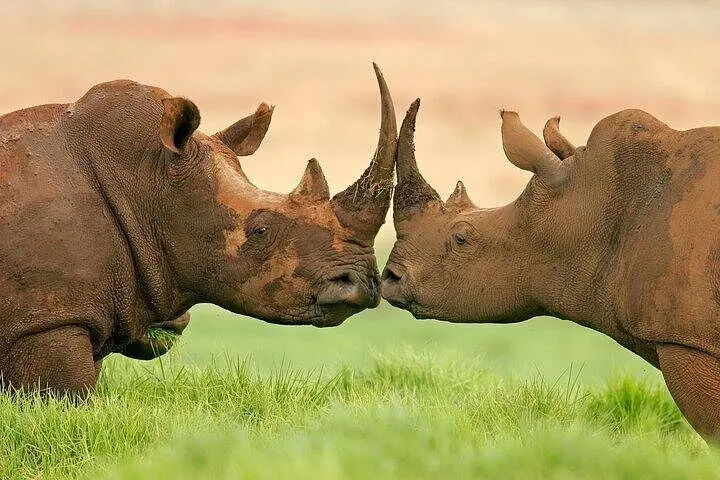
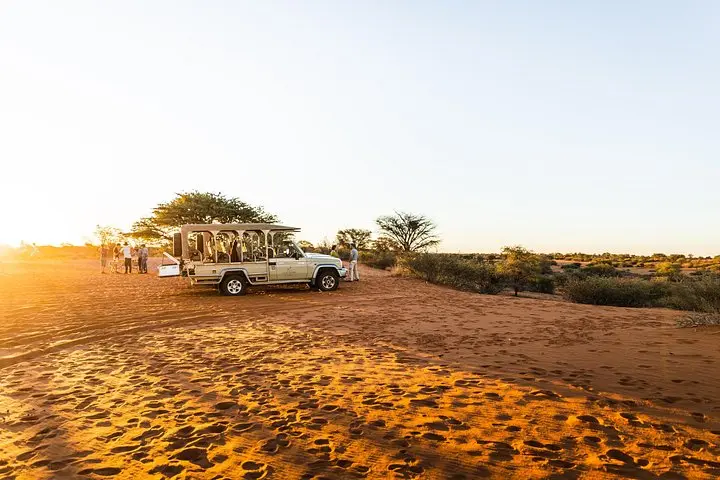
Dawn clarifies the world in compressed, desert light as you gather at Windhoek’s truck port—mugs of instant coffee steaming in your hands, the Go2 Traveller vehicle idling like a promise. The road unspools through red Kalahari scrub and fossilized dunes, and by midday the air has that thin, dry feel that seems to sharpen color and sound. This is a tour that trades slow hours for enormous scenes: salt pans white as bone, dunes that rise like geological fists, and waterholes where elephants and springbok meet in the business of survival.
Verified experiences and guided adventures in the surrounding area.
Operated by Beyond Africa Safaris (Pty)Ltd · Windhoek, Khomas
Dawn clarifies the world in compressed, desert light as you gather at Windhoek’s truck port—mugs of instant coffee steaming in your hands, the Go2 Traveller vehicle idling like a promise. The road unspools through red Kalahari scrub and fossilized dunes, and by midday the air has that thin, dry feel that seems to sharpen color and sound. This is a tour that trades slow hours for enormous scenes: salt pans white as bone, dunes that rise like geological fists, and waterholes where elephants and springbok meet in the business of survival.
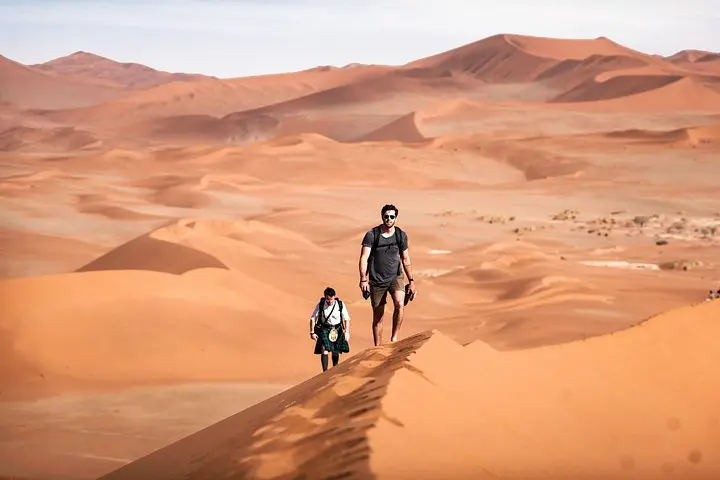
The itinerary reads like a condensed atlas of Namibia: the Kalahari’s burnished plains, the 20-million-year-old ridges beneath Namib Desert Lodge, and the iconic climb of Big Daddy at Sossusvlei. Here, the science is as compelling as the view—wind and time have sculpted the Namib into one of Earth’s oldest deserts, while the Etendeka volcanic layers of Damaraland and the fossilized tree trunks of the Petrified Forest tell a far older story.
Cultural notes arrive as soft colors against the landscape. In Damaraland, Twyfelfontein’s UNESCO‑listed rock engravings crouch in sandstone amphitheaters—hunter-gatherer prayers and shifting ritual markings pegged to water and seasons. Swakopmund provides a counterpoint: German colonial architecture, Atlantic mist, and a seaside rhythm that feels almost European, until you step into a curio shop and hear Herero women’s voices and see traditional dress brightening the street.
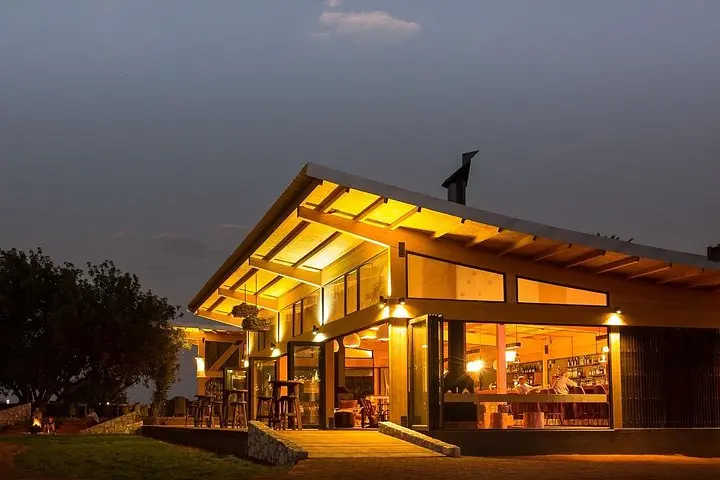
Practicality is baked into the route. Game drives in Etosha are scheduled to catch animal movement at cooler hours; accommodation alternates between lodges with hot water and open-sky evenings where stars feel close enough to touch. Expect early mornings and long drives—days average several hours in transit—so pack for heat by day and cool nights.
If you’re planning this trip: build fitness for dune climbs (short, steep, sand-running), bring layers for large diurnal swings, and carry a reliable daypack with water, sun protection, and a camera. Respect park rules—stay in vehicles during game drives, keep distance from wildlife, and be mindful that fees and lodge choices help fund local conservation.
This is a safari of contrasts: the hush of Dead Vlei’s ancient trees, the clatter of seals in Walvis Bay, the sudden thunder of an elephant herd at a waterhole. It’s not just a checklist of destinations; it’s a paced survey of Namibia’s geological and cultural spine, organized so travelers can absorb big landscapes without losing the small, telling details—an ostrich shell lamp over a lodge dinner, the orange glow of a dune at dusk, or a guide’s quiet pointing to a barely visible etching that has survived for millennia.
Price includes accommodation, park fees, many meals as listed, bottled water/snacks on game drives, transport in a Go2 Traveller vehicle, and a professional guide/driver.
The tour is rated for travelers of most fitness levels but includes dune climbs (e.g., Big Daddy) and long days on the road; basic stamina for walking on sand and standing on game drives is recommended.
Vaccination requirements vary by origin—check with a travel clinic. Malaria risk in Namibia is generally low in central and southern regions but can be present in the north; consult a doctor for personalized advice.
Yes—operators can accommodate vegetarian, vegan, gluten‑free, and halal requests if noted at booking, but menus are seasonally variable.
Space in safari vehicles is limited—pack in soft duffel bags and keep luggage compact; confirm specific size/weight limits with the operator before travel.
Yes—singles are welcome; communal meals and shared game drives make it easy to meet other travelers, though single supplements may apply for some lodges.
Beyond Africa Safaris (Pty)Ltd operates guided outdoor trips and adventures with an emphasis on safety, stewardship, and memorable experiences.
Dawn clarifies the world in compressed, desert light as you gather at Windhoek’s truck port—mugs of instant coffee steaming in your hands, the Go2 Traveller vehicle idling like a promise. The road unspools through red Kalahari scrub and fossilized dunes, and by midday the air has that thin, dry feel that seems to sharpen color and sound. This is a tour that trades slow hours for enormous scenes: salt pans white as bone, dunes that rise like geological fists, and waterholes where elephants and springbok meet in the business of survival.
Dawn clarifies the world in compressed, desert light as you gather at Windhoek’s truck port—mugs of instant coffee steaming in your hands, the Go2 Traveller vehicle idling like a promise. The road unspools through red Kalahari scrub and fossilized dunes, and by midday the air has that thin, dry feel that seems to sharpen color and sound. This is a tour that trades slow hours for enormous scenes: salt pans white as bone, dunes that rise like geological fists, and waterholes where elephants and springbok meet in the business of survival.
The itinerary reads like a condensed atlas of Namibia: the Kalahari’s burnished plains, the 20-million-year-old ridges beneath Namib Desert Lodge, and the iconic climb of Big Daddy at Sossusvlei. Here, the science is as compelling as the view—wind and time have sculpted the Namib into one of Earth’s oldest deserts, while the Etendeka volcanic layers of Damaraland and the fossilized tree trunks of the Petrified Forest tell a far older story.
Cultural notes arrive as soft colors against the landscape. In Damaraland, Twyfelfontein’s UNESCO‑listed rock engravings crouch in sandstone amphitheaters—hunter-gatherer prayers and shifting ritual markings pegged to water and seasons. Swakopmund provides a counterpoint: German colonial architecture, Atlantic mist, and a seaside rhythm that feels almost European, until you step into a curio shop and hear Herero women’s voices and see traditional dress brightening the street.
Practicality is baked into the route. Game drives in Etosha are scheduled to catch animal movement at cooler hours; accommodation alternates between lodges with hot water and open-sky evenings where stars feel close enough to touch. Expect early mornings and long drives—days average several hours in transit—so pack for heat by day and cool nights.
If you’re planning this trip: build fitness for dune climbs (short, steep, sand-running), bring layers for large diurnal swings, and carry a reliable daypack with water, sun protection, and a camera. Respect park rules—stay in vehicles during game drives, keep distance from wildlife, and be mindful that fees and lodge choices help fund local conservation.
This is a safari of contrasts: the hush of Dead Vlei’s ancient trees, the clatter of seals in Walvis Bay, the sudden thunder of an elephant herd at a waterhole. It’s not just a checklist of destinations; it’s a paced survey of Namibia’s geological and cultural spine, organized so travelers can absorb big landscapes without losing the small, telling details—an ostrich shell lamp over a lodge dinner, the orange glow of a dune at dusk, or a guide’s quiet pointing to a barely visible etching that has survived for millennia.