THE ADVENTURE COLLECTIVE® · Independent discovery and booking for outdoor travel

Combine Kathmandu’s heritage, Pokhara’s lakeside calm and a compact Poon Hill trek on this 10-day itinerary. Expect stone stairways, sunrise over the Annapurna range, guest-house nights, and Gurung village culture.
Combine Kathmandu’s heritage, Pokhara’s lakeside calm and a compact Poon Hill trek on this 10-day itinerary. Expect stone stairways, sunrise over the Annapurna range, guest-house nights, and Gurung village culture.
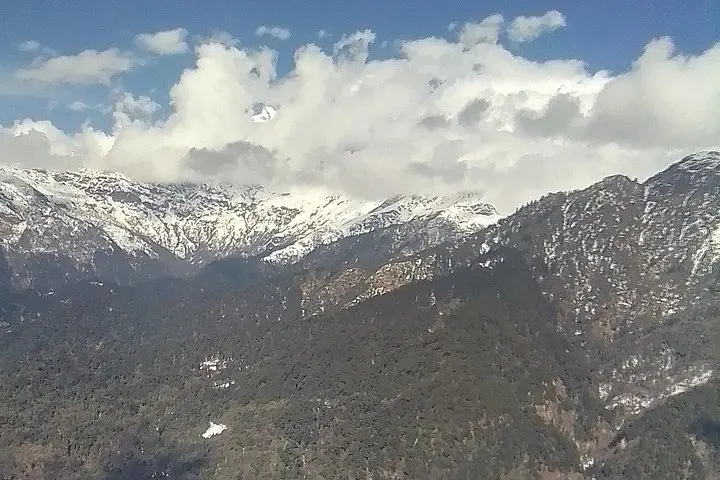
You wake before dawn on a cold hill in the Annapurna foothills, headlamp cutting a thin arc through rhododendron and fir. Ahead, Poon Hill’s ridge catches the first light, and the Annapurna range—white, hard, patient—pushes itself into the sky like a challenge.
Verified experiences and guided adventures in the surrounding area.
Operated by Couch Adventure Nepal (CAN) · Pokhara, Gandaki Province
You wake before dawn on a cold hill in the Annapurna foothills, headlamp cutting a thin arc through rhododendron and fir. Ahead, Poon Hill’s ridge catches the first light, and the Annapurna range—white, hard, patient—pushes itself into the sky like a challenge.
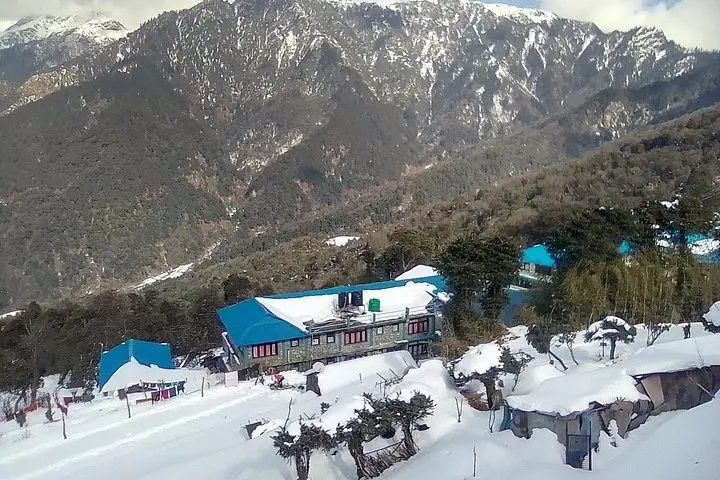
This 10-day itinerary pairs Kathmandu’s layered heritage with Pokhara’s lakeside calm and a classic Poon Hill trek through Gurung villages and terraced fields. Kathmandu’s Durbar Squares and stupas reflect centuries of Newar and Tibetan Buddhist exchange; geologically the region sits along the collision zone where the Indian plate still lifts the Himalaya day by day. The Annapurna Conservation Area—which governs the Ghorepani–Poon Hill route—keeps communities and trails intact, and many nights are spent in simple guest houses run by local families who keep Gurung songs and cuisine alive.
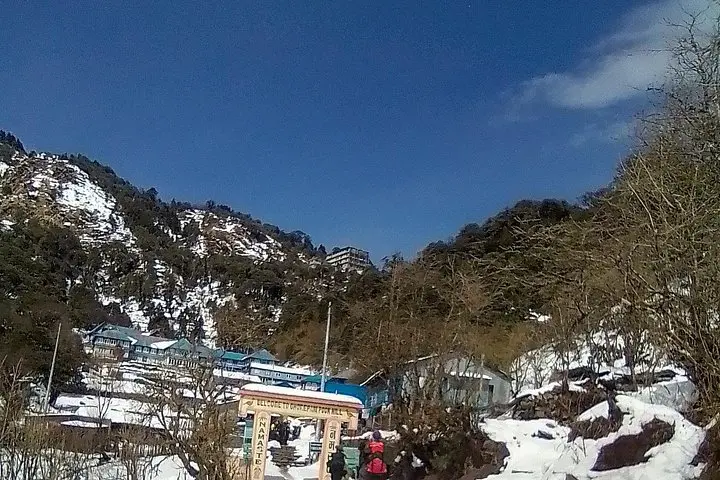
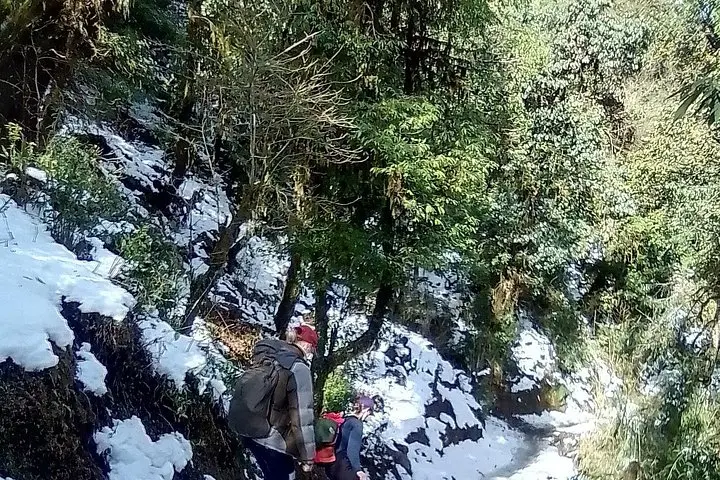
Expect steady climbs and stair-stepped trails: Nayapul to Ulleri is a long approach with stone steps and forested switchbacks; Ghorepani to Poon Hill is a short, steep dawn walk rewarded with panoramic ridgeline views. Nights at 2,800–3,200 m are cold; permit checks (TIMS) and a guide are standard. Practical tips: hike early for sunrise crowds, carry cash for teahouses and tips, and monitor acclimatization—headache, nausea, or breathlessness require stepping down.
Plan footwear for uneven stone stairways, layer for sharp temperature swings, and budget time in Pokhara for lakeside recovery. This trip balances cultural roads and alpine short-trekking—compact, local, and deeply tangible.
Yes—timed entry and a TIMS (Trekkers’ Information Management System) permit is required for the Annapurna region; your operator usually secures this.
Expect 3–6 hours of trekking on most days on mixed stone steps and dirt trails; fitness should be moderate with prior day-hiking experience helpful.
Guest houses are basic: shared bathrooms on some nights, hot water when available, simple meals cooked locally—comfort is rustic but clean.
Max elevation near 3,210 m at Poon Hill is moderate altitude; follow slow ascent, hydrate, avoid alcohol, and descend if symptoms worsen.
Couch Adventure Nepal (CAN) operates guided outdoor trips and adventures with an emphasis on safety, stewardship, and memorable experiences.
You wake before dawn on a cold hill in the Annapurna foothills, headlamp cutting a thin arc through rhododendron and fir. Ahead, Poon Hill’s ridge catches the first light, and the Annapurna range—white, hard, patient—pushes itself into the sky like a challenge.
You wake before dawn on a cold hill in the Annapurna foothills, headlamp cutting a thin arc through rhododendron and fir. Ahead, Poon Hill’s ridge catches the first light, and the Annapurna range—white, hard, patient—pushes itself into the sky like a challenge.
This 10-day itinerary pairs Kathmandu’s layered heritage with Pokhara’s lakeside calm and a classic Poon Hill trek through Gurung villages and terraced fields. Kathmandu’s Durbar Squares and stupas reflect centuries of Newar and Tibetan Buddhist exchange; geologically the region sits along the collision zone where the Indian plate still lifts the Himalaya day by day. The Annapurna Conservation Area—which governs the Ghorepani–Poon Hill route—keeps communities and trails intact, and many nights are spent in simple guest houses run by local families who keep Gurung songs and cuisine alive.
Expect steady climbs and stair-stepped trails: Nayapul to Ulleri is a long approach with stone steps and forested switchbacks; Ghorepani to Poon Hill is a short, steep dawn walk rewarded with panoramic ridgeline views. Nights at 2,800–3,200 m are cold; permit checks (TIMS) and a guide are standard. Practical tips: hike early for sunrise crowds, carry cash for teahouses and tips, and monitor acclimatization—headache, nausea, or breathlessness require stepping down.
Plan footwear for uneven stone stairways, layer for sharp temperature swings, and budget time in Pokhara for lakeside recovery. This trip balances cultural roads and alpine short-trekking—compact, local, and deeply tangible.