THE ADVENTURE COLLECTIVE® · Independent discovery and booking for outdoor travel

A focused 10-day guided circuit through Nepal’s cultural and ecological highlights: Kathmandu’s World Heritage plazas, wildlife in Chitwan, the sacred gardens of Lumbini and the lakefront views of Pokhara. Ideal for travelers who want concentrated history, nature and manageable road travel.
A focused 10-day guided circuit through Nepal’s cultural and ecological highlights: Kathmandu’s World Heritage plazas, wildlife in Chitwan, the sacred gardens of Lumbini and the lakefront views of Pokhara. Ideal for travelers who want concentrated history, nature and manageable road travel.
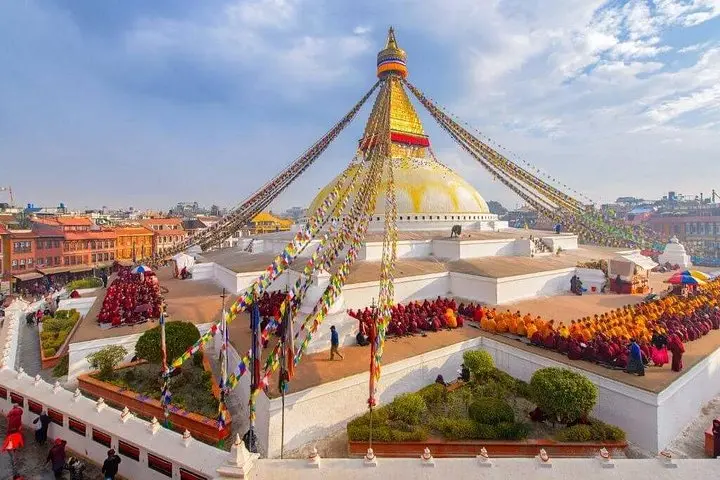
You step out of Tribhuvan International Airport into humid air and the sharp chatter of motorbikes—Kathmandu greets you with prayer flags snapping overhead and centuries-old wood-carved windows watching the street below.
Verified experiences and guided adventures in the surrounding area.
Operated by Asian Heritage Treks and Travels · Kathmandu, Bagmati Province
You step out of Tribhuvan International Airport into humid air and the sharp chatter of motorbikes—Kathmandu greets you with prayer flags snapping overhead and centuries-old wood-carved windows watching the street below.
Over ten days this guided circuit moves from the high bowl of the Kathmandu Valley to the subtropical plains of Chitwan, the contemplative gardens of Lumbini and the lakes and mountain views of Pokhara. In Kathmandu and the ancient cities of Patan and Bhaktapur you’ll trace Newar craftsmanship and the layered Hindu-Buddhist rituals that made these plazas UNESCO sites; the plazas themselves are living museums of Nepalese kingship and artisan guilds. Geologically the route descends from the valley rim (~1,350–1,400 m) into the Terai floodplain (≈200–300 m), revealing rapid shifts in vegetation and climate as monsoon-fed rivers push the landscape southward.
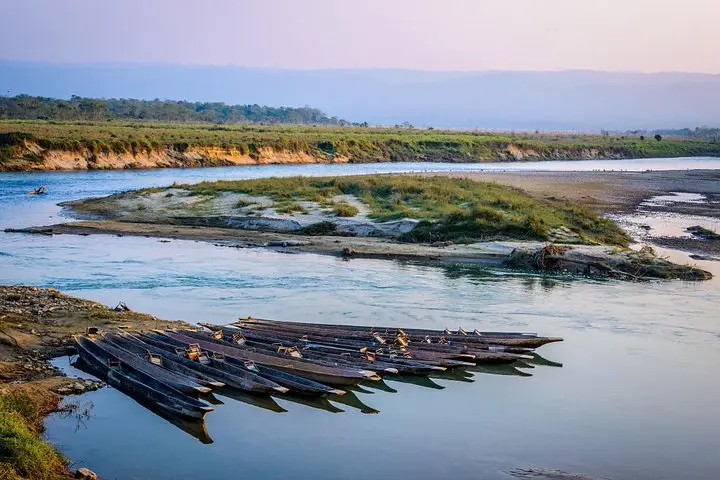
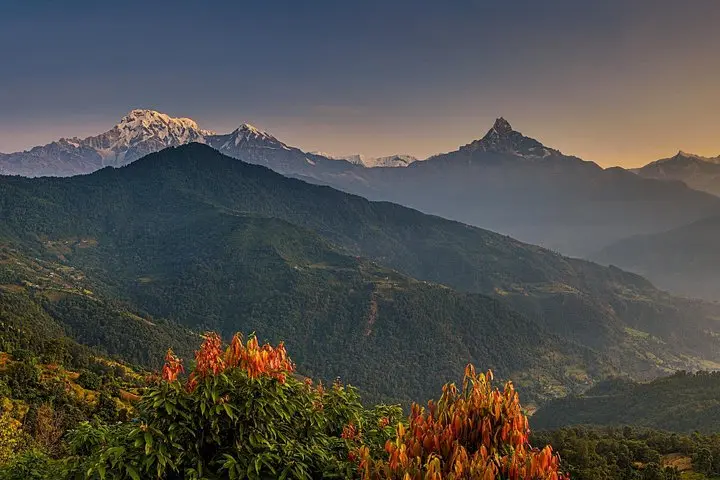
Expect temple courtyards, a sunrise over Annapurna from Sarangkot, and the deep green of Chitwan where the Rapti River dares you to keep your eyes on the bank—here gharials and marsh mugger crocodiles sun themselves and the rare one-horned rhino moves through tall grass. Lumbini’s Ashoka pillar and sacred ponds offer quiet reflection and historical context: this is the reputed birthplace of Siddhartha Gautama.
Practical guidance: the tour covers long road segments (Kathmandu–Chitwan ~160 km; Lumbini–Pokhara ~220 km; Pokhara–Kathmandu via Bandipur ~240 km). Roads vary from smooth highway to single-lane rural; allow time for traffic and stops. Carry local currency, a lightweight rain layer during monsoon, modest clothing for temple visits, sturdy walking shoes for uneven stone steps, and insect repellent for Chitwan. Group size is small (max 10), and the itinerary is paced for travelers of most fitness levels.
Many nationalities can obtain a visa on arrival at Kathmandu airport; carry passport details and use the provided hotel address for the visa form.
The tour is graded easy—most activities are cultural visits and short walks; basic mobility is required for temple steps and optional short jungle walks.
Sightings cannot be guaranteed—guides use local knowledge to maximize opportunities, but animals like tigers are elusive; rhinos and common birds are more frequently seen.
Routine travel vaccinations are recommended; discuss typhoid, hepatitis A and anti-malarial advice with your doctor; bring insect repellent for Chitwan.
Asian Heritage Treks and Travels operates guided outdoor trips and adventures with an emphasis on safety, stewardship, and memorable experiences.
You step out of Tribhuvan International Airport into humid air and the sharp chatter of motorbikes—Kathmandu greets you with prayer flags snapping overhead and centuries-old wood-carved windows watching the street below.
You step out of Tribhuvan International Airport into humid air and the sharp chatter of motorbikes—Kathmandu greets you with prayer flags snapping overhead and centuries-old wood-carved windows watching the street below.
Over ten days this guided circuit moves from the high bowl of the Kathmandu Valley to the subtropical plains of Chitwan, the contemplative gardens of Lumbini and the lakes and mountain views of Pokhara. In Kathmandu and the ancient cities of Patan and Bhaktapur you’ll trace Newar craftsmanship and the layered Hindu-Buddhist rituals that made these plazas UNESCO sites; the plazas themselves are living museums of Nepalese kingship and artisan guilds. Geologically the route descends from the valley rim (~1,350–1,400 m) into the Terai floodplain (≈200–300 m), revealing rapid shifts in vegetation and climate as monsoon-fed rivers push the landscape southward.
Expect temple courtyards, a sunrise over Annapurna from Sarangkot, and the deep green of Chitwan where the Rapti River dares you to keep your eyes on the bank—here gharials and marsh mugger crocodiles sun themselves and the rare one-horned rhino moves through tall grass. Lumbini’s Ashoka pillar and sacred ponds offer quiet reflection and historical context: this is the reputed birthplace of Siddhartha Gautama.
Practical guidance: the tour covers long road segments (Kathmandu–Chitwan ~160 km; Lumbini–Pokhara ~220 km; Pokhara–Kathmandu via Bandipur ~240 km). Roads vary from smooth highway to single-lane rural; allow time for traffic and stops. Carry local currency, a lightweight rain layer during monsoon, modest clothing for temple visits, sturdy walking shoes for uneven stone steps, and insect repellent for Chitwan. Group size is small (max 10), and the itinerary is paced for travelers of most fitness levels.