THE ADVENTURE COLLECTIVE® · Independent discovery and booking for outdoor travel

Take the long road up Kilimanjaro: the Northern Circuit’s ten-day loop buys crucial acclimatization and unfolds the mountain in shifting habitats—from rainforest to arctic scree. This route is ideal for climbers prioritizing safety and steady pacing to reach Uhuru Peak.
Take the long road up Kilimanjaro: the Northern Circuit’s ten-day loop buys crucial acclimatization and unfolds the mountain in shifting habitats—from rainforest to arctic scree. This route is ideal for climbers prioritizing safety and steady pacing to reach Uhuru Peak.
You wake before dawn in a damp forest camp on Kilimanjaro’s western flank, breath steaming in the cool air while porters stoke the cooker. The trail slips away from Londorossi Gate through a cathedral of moss-draped trees, then opens into a high moor where the mountain reveals itself slowly: Kibo’s summit rim a distant, stubborn lip of ice above a sea of cloud. The Northern Circuit is deliberately long—ten days of walking that buy time at altitude and push the summit day from a brutal sprint into a steady, willed ascent.
Verified experiences and guided adventures in the surrounding area.
Operated by Kilisa Tours & Safaris · Moshi, Kilimanjaro Region
You wake before dawn in a damp forest camp on Kilimanjaro’s western flank, breath steaming in the cool air while porters stoke the cooker. The trail slips away from Londorossi Gate through a cathedral of moss-draped trees, then opens into a high moor where the mountain reveals itself slowly: Kibo’s summit rim a distant, stubborn lip of ice above a sea of cloud. The Northern Circuit is deliberately long—ten days of walking that buy time at altitude and push the summit day from a brutal sprint into a steady, willed ascent.
Geology and terrain here are blunt and honest. Kilimanjaro is a dormant stratovolcano: volcanic plateaus of the Shira Ridge give way to jagged lava towers and an alpine desert near the crater. Each day trades habitat—rain forest, heath, moorland, alpine desert, and finally arctic scree—with distances ranging from short 5–8 km approaches to long 12 km rambles across exposed ridges. The route’s clockwise sweep around Kibo provides a 360-degree view that highlights how the mountain was built in episodes of eruption and glaciation, and how current ice fields cling to the crater rim like reluctant souvenirs.
Cultural notes live at lower elevations. Your walk begins in Chagga country: villages around Moshi have farmed coffee and bananas against the mountain’s lower slopes for generations. Guides and porters are often drawn from these communities—skills and local knowledge are part of the climb, and tipping is an established custom that supports many households.
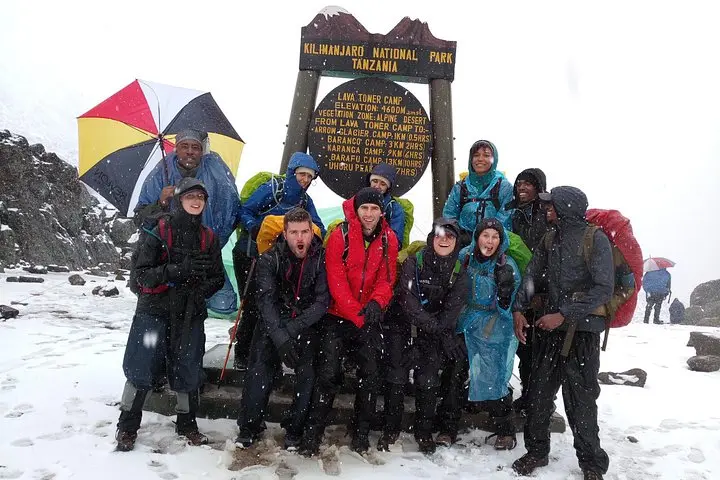
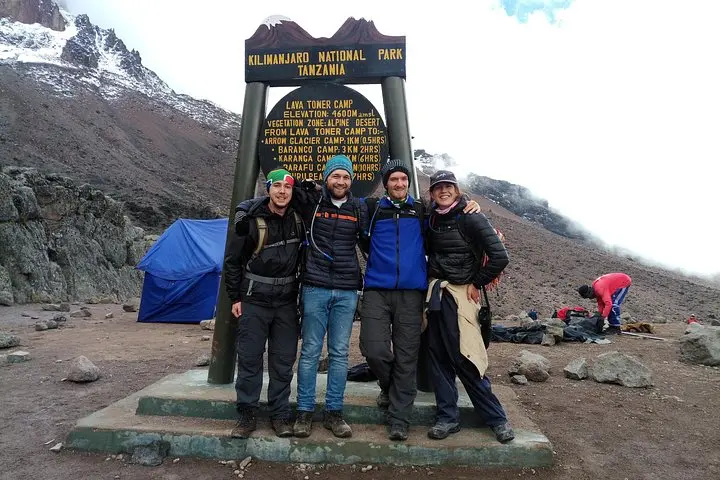
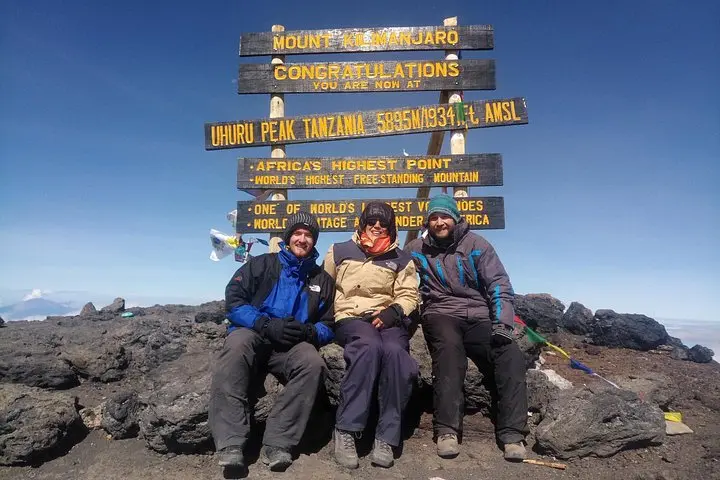
Practically, the Northern Circuit is best chosen for acclimatization. The itinerary staggers elevation gain—Lava Tower, Moir Hut, School Hut—so your body has a better chance of adapting before the push to Uhuru Peak (19,341 ft). Expect scree on the summit day, icy winds on the crater rim, and muddy, tree-canopied descents at Mweka. Sleeping at Crater Camp is optional and carries risk; experienced guides monitor for AMS and carry oxygen, oxymeters, and first-aid kits.
Plan your logistics: fly into Kilimanjaro International Airport and overnight in Moshi; the operator will transfer you to Londorossi Gate (approximately 3–4 hours drive). Pack layered clothing, a warm sleeping bag rated to at least −10°C, and sturdy mountaineering boots. Hydration and slow pacing are non-negotiable—drink frequently, eat salty snacks, and set a rhythm on summit night: slow steps, short breaks, and steady breathing. Expect daily hiking times of 3–8 hours, with the summit day taking 6–8 hours up and descent longer.
If you want a climb that leans on careful acclimatization rather than speed, the Northern Circuit converts Kilimanjaro from a one-day gamble into a patient, manageable objective. The mountain will test you, but it also allows you to watch the landscape change—from dripping rainforest that hides monkeys to the thin, fierce light above the crater—until you finally stand on Africa’s roof.
The clearest windows are January–March and June–October; avoid the long rains (April–May) and be cautious in November which can bring short rains.
It’s challenging: ten days adds distance and altitude but improves acclimatization; you should be able to hike multiple days of 5–8 hours and have aerobic training beforehand.
No technical climbing experience is required, but prior trekking at altitude helps—guides monitor for AMS and carry oxygen and first-aid equipment.
Typical packages include park entry fees, camping fees, rescue fees, and government taxes—confirm with the operator for exact inclusions.
Yes, the itinerary offers Crater Camp but sleeping that high carries AMS risk; many guides prefer immediate descent to lower camps if symptoms appear.
Yes—professional guides, cooks, and porters are standard; tipping is customary and supports local communities.
Kilisa Tours & Safaris operates guided outdoor trips and adventures with an emphasis on safety, stewardship, and memorable experiences.
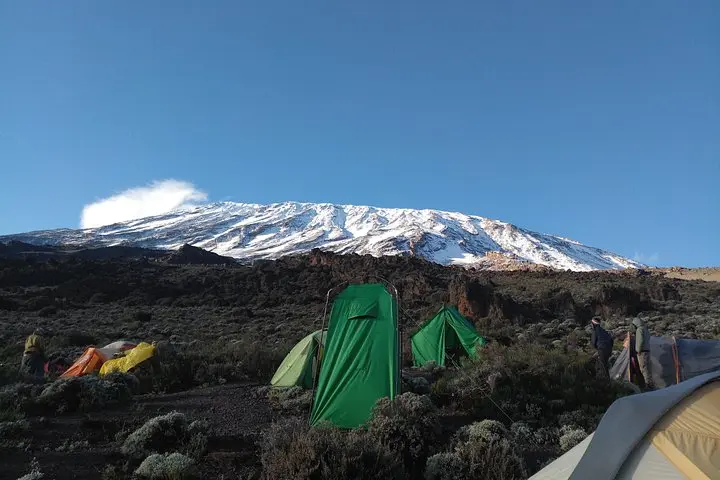
You wake before dawn in a damp forest camp on Kilimanjaro’s western flank, breath steaming in the cool air while porters stoke the cooker. The trail slips away from Londorossi Gate through a cathedral of moss-draped trees, then opens into a high moor where the mountain reveals itself slowly: Kibo’s summit rim a distant, stubborn lip of ice above a sea of cloud. The Northern Circuit is deliberately long—ten days of walking that buy time at altitude and push the summit day from a brutal sprint into a steady, willed ascent.
You wake before dawn in a damp forest camp on Kilimanjaro’s western flank, breath steaming in the cool air while porters stoke the cooker. The trail slips away from Londorossi Gate through a cathedral of moss-draped trees, then opens into a high moor where the mountain reveals itself slowly: Kibo’s summit rim a distant, stubborn lip of ice above a sea of cloud. The Northern Circuit is deliberately long—ten days of walking that buy time at altitude and push the summit day from a brutal sprint into a steady, willed ascent.
Geology and terrain here are blunt and honest. Kilimanjaro is a dormant stratovolcano: volcanic plateaus of the Shira Ridge give way to jagged lava towers and an alpine desert near the crater. Each day trades habitat—rain forest, heath, moorland, alpine desert, and finally arctic scree—with distances ranging from short 5–8 km approaches to long 12 km rambles across exposed ridges. The route’s clockwise sweep around Kibo provides a 360-degree view that highlights how the mountain was built in episodes of eruption and glaciation, and how current ice fields cling to the crater rim like reluctant souvenirs.
Cultural notes live at lower elevations. Your walk begins in Chagga country: villages around Moshi have farmed coffee and bananas against the mountain’s lower slopes for generations. Guides and porters are often drawn from these communities—skills and local knowledge are part of the climb, and tipping is an established custom that supports many households.
Practically, the Northern Circuit is best chosen for acclimatization. The itinerary staggers elevation gain—Lava Tower, Moir Hut, School Hut—so your body has a better chance of adapting before the push to Uhuru Peak (19,341 ft). Expect scree on the summit day, icy winds on the crater rim, and muddy, tree-canopied descents at Mweka. Sleeping at Crater Camp is optional and carries risk; experienced guides monitor for AMS and carry oxygen, oxymeters, and first-aid kits.
Plan your logistics: fly into Kilimanjaro International Airport and overnight in Moshi; the operator will transfer you to Londorossi Gate (approximately 3–4 hours drive). Pack layered clothing, a warm sleeping bag rated to at least −10°C, and sturdy mountaineering boots. Hydration and slow pacing are non-negotiable—drink frequently, eat salty snacks, and set a rhythm on summit night: slow steps, short breaks, and steady breathing. Expect daily hiking times of 3–8 hours, with the summit day taking 6–8 hours up and descent longer.
If you want a climb that leans on careful acclimatization rather than speed, the Northern Circuit converts Kilimanjaro from a one-day gamble into a patient, manageable objective. The mountain will test you, but it also allows you to watch the landscape change—from dripping rainforest that hides monkeys to the thin, fierce light above the crater—until you finally stand on Africa’s roof.