THE ADVENTURE COLLECTIVE® · Independent discovery and booking for outdoor travel

A ten-day circuit through Northern Ghana puts culture, wildlife, and seasonal landscapes front and center. From Tamale’s markets to Mole National Park’s savanna, expect accessible game drives, village visits, and short hikes framed by baobabs and laterite plains.
A ten-day circuit through Northern Ghana puts culture, wildlife, and seasonal landscapes front and center. From Tamale’s markets to Mole National Park’s savanna, expect accessible game drives, village visits, and short hikes framed by baobabs and laterite plains.
You step off a small domestic flight into dry heat and a sky that opens like a promise — the red dust of the Sahel underfoot, baobabs throwing long shadows, and the distant rumble of market life in Tamale. Over ten days you will move between mud-brick mosques, gallery forests, and broad savanna where elephants and kob push through tall grass.
Verified experiences and guided adventures in the surrounding area.
Operated by Tripafrica Tours · Tamale, Northern Region
You step off a small domestic flight into dry heat and a sky that opens like a promise — the red dust of the Sahel underfoot, baobabs throwing long shadows, and the distant rumble of market life in Tamale. Over ten days you will move between mud-brick mosques, gallery forests, and broad savanna where elephants and kob push through tall grass.
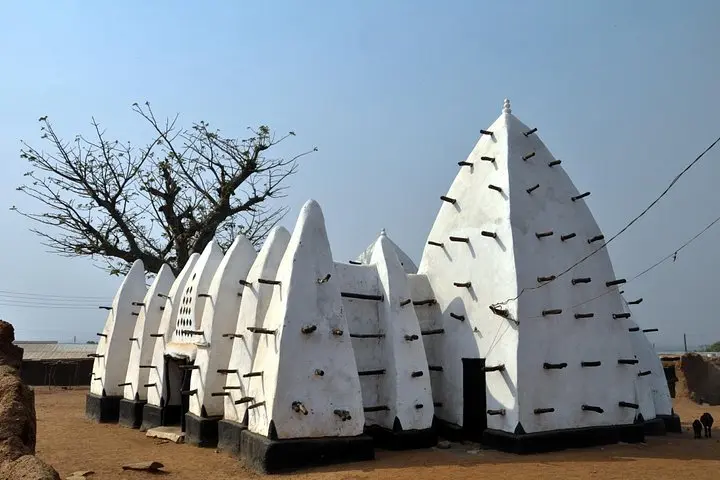
Northern Ghana’s landscape is shaped by laterite soils and seasonal rivers; geology that produces iron-red plains punctuated by granite outcrops. Culturally this region is a crossroads: Dagomba drumming rhythms pulse through towns, traditional chiefs maintain centuries-old festivals, and Larabanga’s 15th-century mosque offers a window into trans-Saharan trade routes.
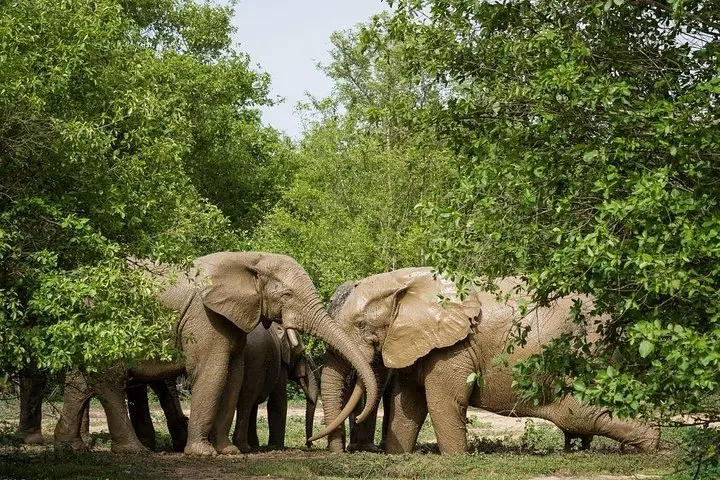
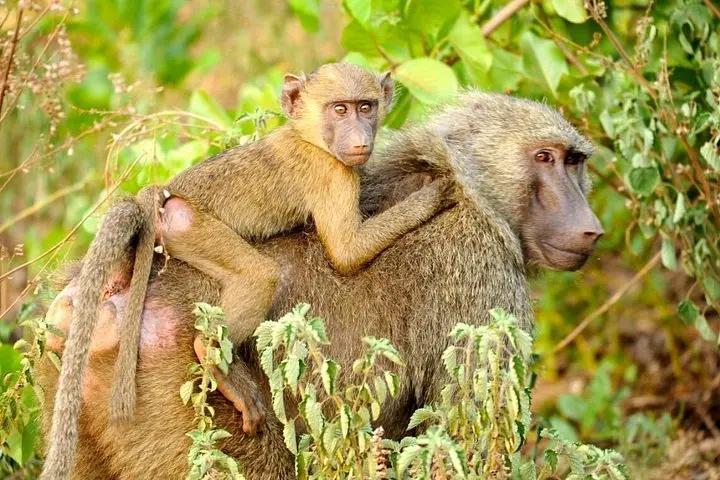
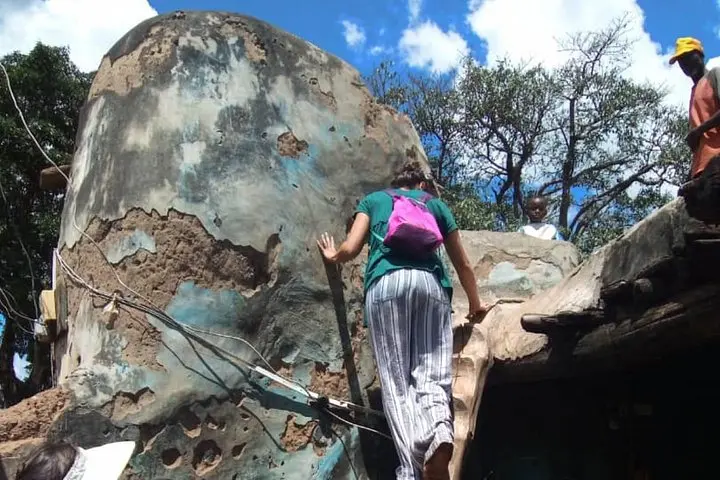
Expect game drives in Mole National Park, guided cultural visits to villages and crafts markets, and short hikes to viewpoints and rock shrines. Wildlife sightings commonly include elephants, antelope, and a wealth of birdlife; the terrain alternates between easy dirt tracks and bumpy paved roads. Accommodation ranges from simple lodges with solar power to comfortable hotels in larger towns; internal flights and private transport shorten long transfers.
Practical tips: travel during the dry season for easier wildlife viewing and better road conditions; bring lightweight breathable layers, reliable insect repellent, and cash for markets. Moderate fitness helps for walking village trails and getting on and off game vehicles. Respect local customs — ask before photographing people — and carry a reusable water bottle to reduce single-use plastic. In short, this trip pairs immersive cultural contact with accessible wildlife viewing, paced so you can absorb place as much as you move through it.
The dry season (roughly November–March) concentrates animals at permanent water sources, improving game-viewing; however, the shoulder months after rains are best for birding and lush landscapes.
Routine vaccinations are recommended, and yellow fever proof is often required; consult a travel clinic for malaria prophylaxis and up-to-date advice.
Expect a mix of short flights and multi-hour road transfers — some days involve several hours on paved and unpaved roads, so prepare for bumpy stretches.
Lodging ranges from basic eco-lodges and guesthouses to comfortable hotels in towns; amenities like intermittent power or limited hot water can occur outside major centers.
Tripafrica Tours operates guided outdoor trips and adventures with an emphasis on safety, stewardship, and memorable experiences.
You step off a small domestic flight into dry heat and a sky that opens like a promise — the red dust of the Sahel underfoot, baobabs throwing long shadows, and the distant rumble of market life in Tamale. Over ten days you will move between mud-brick mosques, gallery forests, and broad savanna where elephants and kob push through tall grass.
You step off a small domestic flight into dry heat and a sky that opens like a promise — the red dust of the Sahel underfoot, baobabs throwing long shadows, and the distant rumble of market life in Tamale. Over ten days you will move between mud-brick mosques, gallery forests, and broad savanna where elephants and kob push through tall grass.
Northern Ghana’s landscape is shaped by laterite soils and seasonal rivers; geology that produces iron-red plains punctuated by granite outcrops. Culturally this region is a crossroads: Dagomba drumming rhythms pulse through towns, traditional chiefs maintain centuries-old festivals, and Larabanga’s 15th-century mosque offers a window into trans-Saharan trade routes.
Expect game drives in Mole National Park, guided cultural visits to villages and crafts markets, and short hikes to viewpoints and rock shrines. Wildlife sightings commonly include elephants, antelope, and a wealth of birdlife; the terrain alternates between easy dirt tracks and bumpy paved roads. Accommodation ranges from simple lodges with solar power to comfortable hotels in larger towns; internal flights and private transport shorten long transfers.
Practical tips: travel during the dry season for easier wildlife viewing and better road conditions; bring lightweight breathable layers, reliable insect repellent, and cash for markets. Moderate fitness helps for walking village trails and getting on and off game vehicles. Respect local customs — ask before photographing people — and carry a reusable water bottle to reduce single-use plastic. In short, this trip pairs immersive cultural contact with accessible wildlife viewing, paced so you can absorb place as much as you move through it.