THE ADVENTURE COLLECTIVE® · Independent discovery and booking for outdoor travel

Trace pharaonic history from the Giza pyramids to Luxor’s temple complexes, then unwind on a Nile cruise before snorkeling Hurghada’s coral gardens. This 10‑day route blends archaeology, river travel, and Red Sea relaxation with practical tips for timing, packing, and mobility.
Trace pharaonic history from the Giza pyramids to Luxor’s temple complexes, then unwind on a Nile cruise before snorkeling Hurghada’s coral gardens. This 10‑day route blends archaeology, river travel, and Red Sea relaxation with practical tips for timing, packing, and mobility.
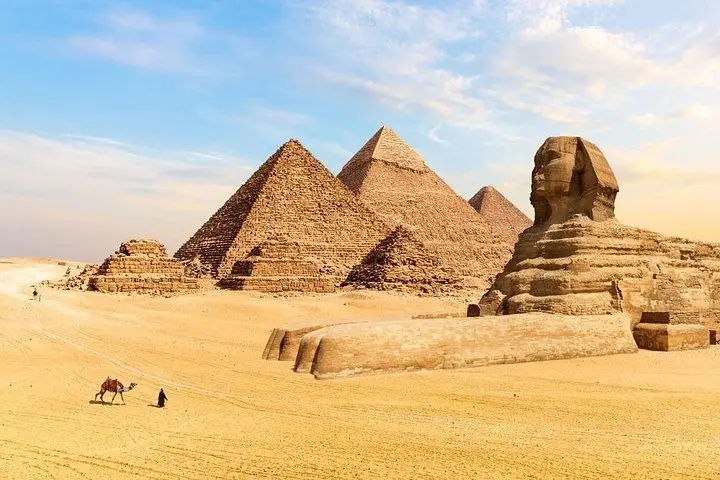
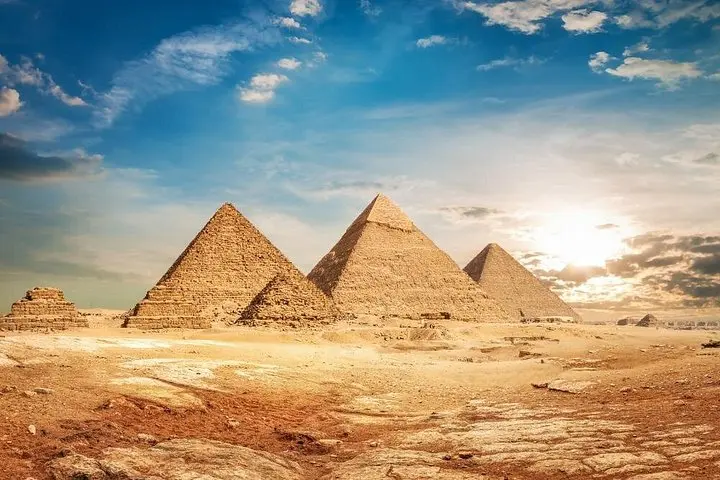
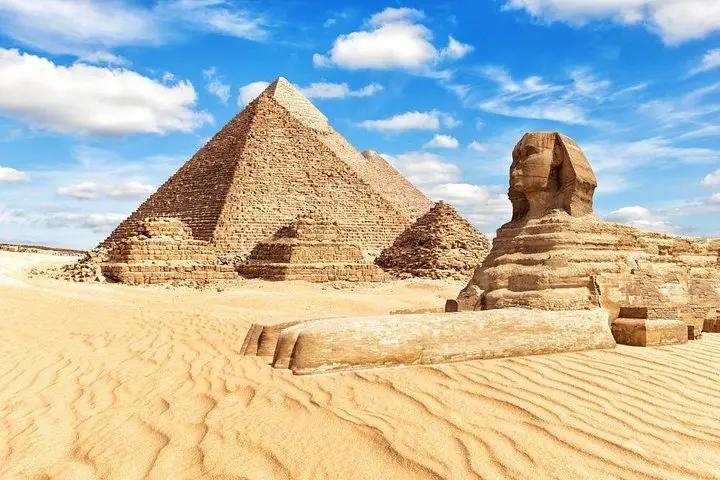
The first light in Cairo hits limestone faces of the Giza plateau and the city exhales: call to prayer, market vendors arranging brass and spices, and the Nile—steady, deliberate—waiting to carry you south.
Verified experiences and guided adventures in the surrounding area.
Operated by Love Egypt Tours · Cairo, Cairo Governorate
The first light in Cairo hits limestone faces of the Giza plateau and the city exhales: call to prayer, market vendors arranging brass and spices, and the Nile—steady, deliberate—waiting to carry you south.
This 10‑day loop stitches together ancient stone and blue water. In Cairo you move from the Giza pyramids and the crowded alleys of Khan el‑Khalili to the medieval wide sweep of the Citadel; in Upper Egypt the river valley narrows into carved sandstone cliffs guarding temples at Philae, Kom Ombo and Edfu. Luxor’s East and West Banks present pharaonic architecture—Karnak’s hypostyle halls and the painted tombs of the Valley of the Kings—while geology explains it all: the Nile’s annual sediment built the fertile strip against a backdrop of desert escarpments.
Culture here is layered and active: Coptic and Islamic quarters, modern Egyptian life, and Bedouin traditions around Hurghada’s desert edges. The Red Sea, redolent with coral ridges, offers a sharp counterpoint—cool current, bright reef, and an underwater choreography that draws snorkelers and divers.
Practical guidance: plan for hot, dry days and cool evenings on deck; carry a sun hat, high‑SPF protection, and reusable water to fight dehydration. Comfortable walking shoes and modest clothing are needed for religious sites. Allow time for security checks and short domestic flights between Cairo, Aswan and Hurghada. Tipping, local currency (Egyptian pound), and passport copies are standard; wheelchair access is widely available on this itinerary but check specific vessel details before booking.
Pace the trip to mix long cultural days with slower afternoons on the Nile or the beach—this balance is the practical core of a memorable Egypt itinerary.
Most nationalities require a tourist visa for Egypt; check embassy guidance and obtain an e‑visa or visa on arrival depending on your passport before travel.
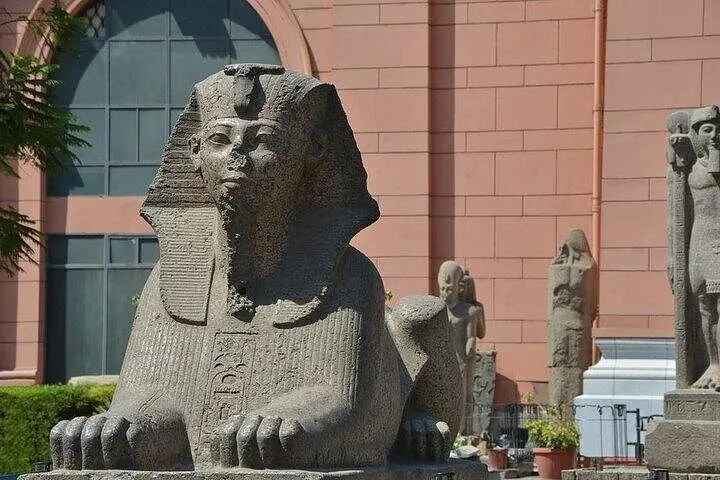
This itinerary notes admissions as not included—expect to purchase tickets at major sites like the Egyptian Museum, pyramids plateau and Valley of the Kings unless otherwise confirmed.
Many modern Nile cruise boats offer wheelchair‑accessible cabins and ramps, but accessibility varies by vessel—confirm specifics with the operator before booking.
Snorkeling options range from beginner to advanced; guided trips supply gear and basic instruction so novices can safely enjoy coral reefs.
Love Egypt Tours operates guided outdoor trips and adventures with an emphasis on safety, stewardship, and memorable experiences.
The first light in Cairo hits limestone faces of the Giza plateau and the city exhales: call to prayer, market vendors arranging brass and spices, and the Nile—steady, deliberate—waiting to carry you south.
The first light in Cairo hits limestone faces of the Giza plateau and the city exhales: call to prayer, market vendors arranging brass and spices, and the Nile—steady, deliberate—waiting to carry you south.
This 10‑day loop stitches together ancient stone and blue water. In Cairo you move from the Giza pyramids and the crowded alleys of Khan el‑Khalili to the medieval wide sweep of the Citadel; in Upper Egypt the river valley narrows into carved sandstone cliffs guarding temples at Philae, Kom Ombo and Edfu. Luxor’s East and West Banks present pharaonic architecture—Karnak’s hypostyle halls and the painted tombs of the Valley of the Kings—while geology explains it all: the Nile’s annual sediment built the fertile strip against a backdrop of desert escarpments.
Culture here is layered and active: Coptic and Islamic quarters, modern Egyptian life, and Bedouin traditions around Hurghada’s desert edges. The Red Sea, redolent with coral ridges, offers a sharp counterpoint—cool current, bright reef, and an underwater choreography that draws snorkelers and divers.
Practical guidance: plan for hot, dry days and cool evenings on deck; carry a sun hat, high‑SPF protection, and reusable water to fight dehydration. Comfortable walking shoes and modest clothing are needed for religious sites. Allow time for security checks and short domestic flights between Cairo, Aswan and Hurghada. Tipping, local currency (Egyptian pound), and passport copies are standard; wheelchair access is widely available on this itinerary but check specific vessel details before booking.
Pace the trip to mix long cultural days with slower afternoons on the Nile or the beach—this balance is the practical core of a memorable Egypt itinerary.