THE ADVENTURE COLLECTIVE® · Independent discovery and booking for outdoor travel

A ten-day loop across the Philippines’ best-known islands—Bohol’s Chocolate Hills, Puerto Princesa’s Underground River, El Nido’s karst lagoons and Boracay’s white-sand beaches—this itinerary blends inland geology, coastal reef life and high-energy ocean activities. Read on for what to expect and how to prepare.
A ten-day loop across the Philippines’ best-known islands—Bohol’s Chocolate Hills, Puerto Princesa’s Underground River, El Nido’s karst lagoons and Boracay’s white-sand beaches—this itinerary blends inland geology, coastal reef life and high-energy ocean activities. Read on for what to expect and how to prepare.
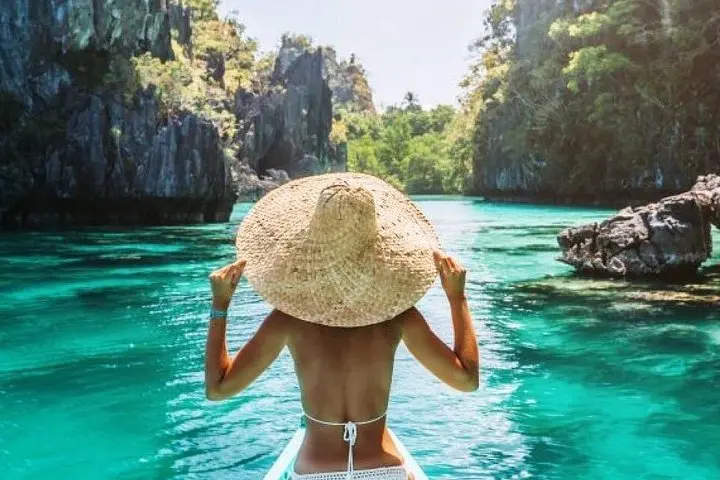
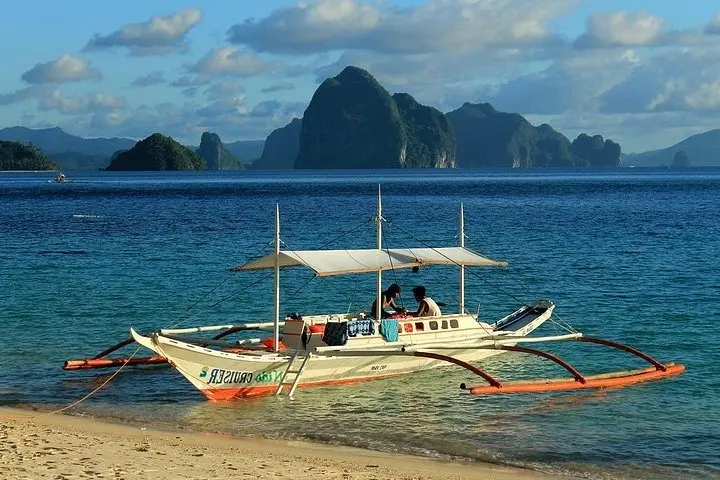
You step off the ferry into air that smells faintly of salt and coconut—humid, warm, and layered with the sizzle of street-side kitchens. Over ten days this itinerary presses you into the Philippines’ most dramatic contrasts: limestone karsts rising like cathedral spires from Bacuit Bay, the rounded, almost alien Chocolate Hills of Bohol, and the bright, shallow reefs that make Boracay one of Asia’s most photographed beaches.
Verified experiences and guided adventures in the surrounding area.
Operated by Rio Travel and Tour · Tagbilaran, Bohol
You step off the ferry into air that smells faintly of salt and coconut—humid, warm, and layered with the sizzle of street-side kitchens. Over ten days this itinerary presses you into the Philippines’ most dramatic contrasts: limestone karsts rising like cathedral spires from Bacuit Bay, the rounded, almost alien Chocolate Hills of Bohol, and the bright, shallow reefs that make Boracay one of Asia’s most photographed beaches.
The route moves with purpose. Start in Bohol—Tagbilaran and Panglao—where Spanish colonial churches and the small, wide-eyed tarsier meet a landscape shaped by uplifted marine deposits. The Chocolate Hills are not volcanic but weathered marine limestone; centuries of rainfall and dissolution carved each cone into a grassy dome. From there the program pushes to sea: dolphin and whale watching off Balicasag, snorkeling fish-filled sanctuaries, and a day on a Loboc floating restaurant that makes the most of slow river travel.
Puerto Princesa’s Underground River is a geological showpiece. The cave system stretches more than 8 km, though visitors explore a navigable river section of roughly 1–2 km—stalactites and stalagmites loom like a slow-moving cathedral while guide commentary threads in local folklore and World War II-era stories. The long overland transfer to El Nido (about 5–6 hours by road) is worth the time: it deposits you at Bacuit Bay where karst cliffs, hidden lagoons, and reef gardens define each small island.
Boracay closes the loop with beach-based adrenaline—parasailing, paraw sailing, cliff diving at Ariel’s Point—and the island’s lively beachfront scene.
Practical guidance: This is a moderately paced, multi-modal trip; expect multiple short domestic flights, a 3–4 hour ferry, and several full-day boat rides (3–6 hours on island-hopping days). Pack reef-safe sunscreen, a lightweight rain shell, and a good snorkel mask. Bring PHP cash for small park and environmental fees—many remote piers and barangay entry points only accept cash. Allow time for airport-to-port transfers; operators request passenger names and birthdates for ferry manifests, so confirm booking details in advance.
Timing matters: schedule underground-river visits in the morning when boat queues are shorter and afternoon light in El Nido for lagoon photos. Respect local wildlife rules at tarsier sanctuaries (no flash photography, minimal handling). Finally, travel with patience—the Philippines runs on ferry schedules and weather; build a buffer day if you need guaranteed connections. When it all lines up, you’ll finish this loop with reef-sanded feet, a camera full of blue lagoons, and a clear sense of why these islands draw people back year after year.
Yes—this package includes specified domestic flights, fast-ferry tickets and inter-island boat transfers; check your booking voucher for exact segments.
Yes—many days are family-friendly (river cruise, island hopping), but children should be supervised on boats and at wildlife sanctuaries.
Visa requirements depend on your nationality; many countries receive visa-free entry for short stays—confirm with your embassy before travel.
Tours may be operated by multilingual guides; English is commonly spoken across tourist areas in the Philippines.
The operator may reschedule or cancel the Underground River visit due to weather—refund and rescheduling policies are in the booking terms.
Yes—both areas offer dive options. Advanced dives should be booked separately; bring dive certification if you plan to enroll in deeper or specialty dives.
Rio Travel and Tour operates guided outdoor trips and adventures with an emphasis on safety, stewardship, and memorable experiences.

You step off the ferry into air that smells faintly of salt and coconut—humid, warm, and layered with the sizzle of street-side kitchens. Over ten days this itinerary presses you into the Philippines’ most dramatic contrasts: limestone karsts rising like cathedral spires from Bacuit Bay, the rounded, almost alien Chocolate Hills of Bohol, and the bright, shallow reefs that make Boracay one of Asia’s most photographed beaches.
You step off the ferry into air that smells faintly of salt and coconut—humid, warm, and layered with the sizzle of street-side kitchens. Over ten days this itinerary presses you into the Philippines’ most dramatic contrasts: limestone karsts rising like cathedral spires from Bacuit Bay, the rounded, almost alien Chocolate Hills of Bohol, and the bright, shallow reefs that make Boracay one of Asia’s most photographed beaches.
The route moves with purpose. Start in Bohol—Tagbilaran and Panglao—where Spanish colonial churches and the small, wide-eyed tarsier meet a landscape shaped by uplifted marine deposits. The Chocolate Hills are not volcanic but weathered marine limestone; centuries of rainfall and dissolution carved each cone into a grassy dome. From there the program pushes to sea: dolphin and whale watching off Balicasag, snorkeling fish-filled sanctuaries, and a day on a Loboc floating restaurant that makes the most of slow river travel.
Puerto Princesa’s Underground River is a geological showpiece. The cave system stretches more than 8 km, though visitors explore a navigable river section of roughly 1–2 km—stalactites and stalagmites loom like a slow-moving cathedral while guide commentary threads in local folklore and World War II-era stories. The long overland transfer to El Nido (about 5–6 hours by road) is worth the time: it deposits you at Bacuit Bay where karst cliffs, hidden lagoons, and reef gardens define each small island.
Boracay closes the loop with beach-based adrenaline—parasailing, paraw sailing, cliff diving at Ariel’s Point—and the island’s lively beachfront scene.
Practical guidance: This is a moderately paced, multi-modal trip; expect multiple short domestic flights, a 3–4 hour ferry, and several full-day boat rides (3–6 hours on island-hopping days). Pack reef-safe sunscreen, a lightweight rain shell, and a good snorkel mask. Bring PHP cash for small park and environmental fees—many remote piers and barangay entry points only accept cash. Allow time for airport-to-port transfers; operators request passenger names and birthdates for ferry manifests, so confirm booking details in advance.
Timing matters: schedule underground-river visits in the morning when boat queues are shorter and afternoon light in El Nido for lagoon photos. Respect local wildlife rules at tarsier sanctuaries (no flash photography, minimal handling). Finally, travel with patience—the Philippines runs on ferry schedules and weather; build a buffer day if you need guaranteed connections. When it all lines up, you’ll finish this loop with reef-sanded feet, a camera full of blue lagoons, and a clear sense of why these islands draw people back year after year.